

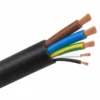

S1BZ5-F 1.5kV DC EV Charging Cable with CC/CP Control Cores, 16-95mm²
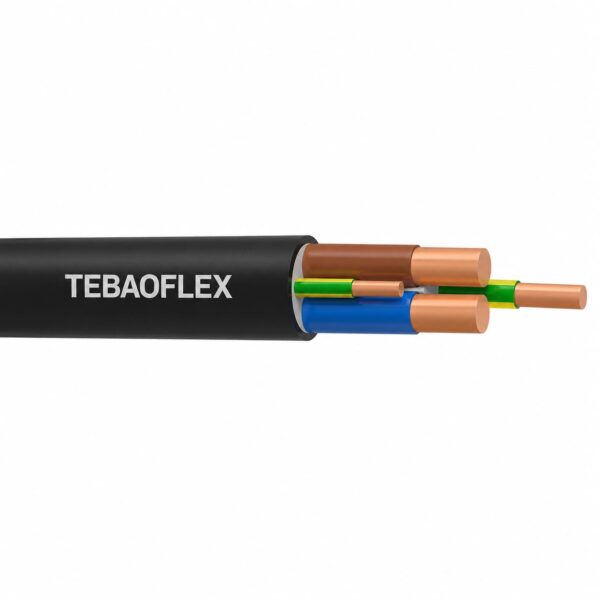
S1BZ5-F flexible DC charging cable to IEC 62893-4-1 with a 1.5kV DC designation and 600/1000V rated voltage: Class 5 bare copper, HEPR EVI-2 insulation, a black TPU EVM-1 sheath and CC/CP control cores in nine power arrangements.
- Voltage1.5kV DC; 600/1000V rated
- ConductorBare copper, Class 5
- InsulationHEPR type EVI-2
- Outer sheathTPU type EVM-1, black
- Constructions3G16 to 5G50, with CC/CP cores
- Overall diameter20.6 mm to 41 mm
- Ambient temperature-40°C to +60°C
- Max. tensile load15 N/mm²
S1BZ5-F is a flexible multi-core cable for DC electric vehicle charging. It carries a 1.5kV DC designation and a 600/1000V rated voltage, with Class 5 bare copper conductors to EN/IEC 60228, HEPR type EVI-2 insulation and a black special TPU type EVM-1 outer sheath. The DC power conductors, the protective conductor and the CC/CP control cores run together in one cable.
It is the cable between a DC charger and the vehicle connector, so it is handled, dragged over the ground and flexed at every charge. Nine constructions cover chargers from a 3G16 build with three control pairs up to 2×95 + 1G50 for high-current charging, plus a five-core 5G50 build with six 1.5 mm² control cores.
Browse the EV charging cable category for related cables.
Application & Features
Selection overview
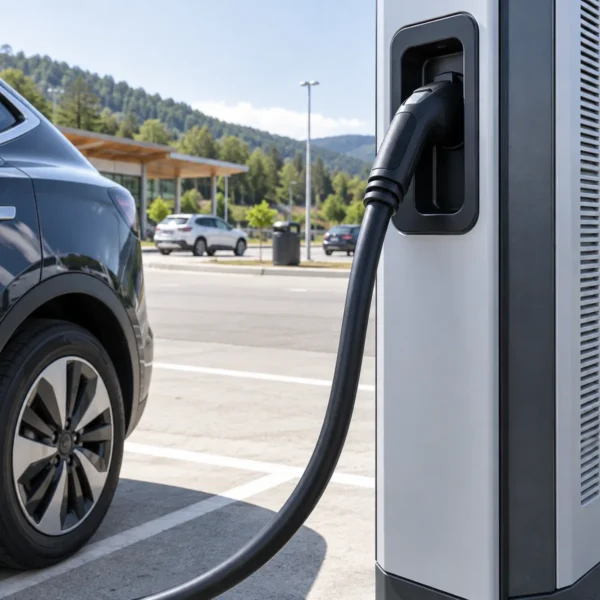
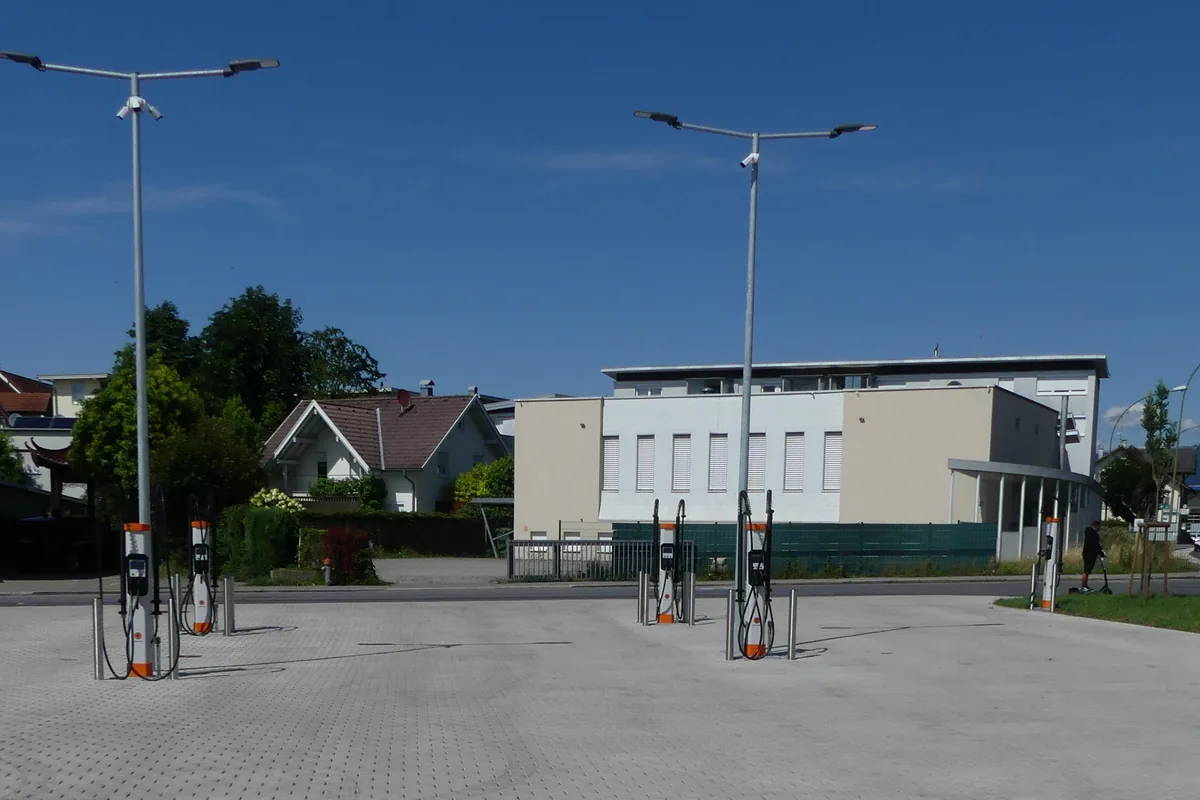
A DC charger converts the grid supply to direct current inside the cabinet and delivers it to the vehicle through a tethered cable and connector. That cable carries high current, is stepped on, dragged over wet or frozen ground and hung back on the holder many times a day, and it also carries the control circuit: the CC/CP cores link charger and vehicle so the charge can start, be supervised and stop safely.
The flexible Class 5 conductors and HEPR insulation keep the cable workable in ambient temperatures from -40°C to +60°C, and the black TPU sheath is chosen for abrasion and outdoor handling. Choose the construction from the charger's DC current and the connector it is terminated into: the 3G16 build suits lower-power DC units, the 2×35 to 2×70 builds the main fast-charging range, and 2×95 + 1G50 the highest-current assemblies. Current rating depends on the charging profile and ambient temperature, so the final size is agreed with our engineers.
- DC charging systemsTethered cable between a DC charger and the vehicle connector.
- Power and control togetherDC power, protective conductor and CC/CP control cores in one flexible cable.
- Flexible handlingClass 5 copper and TPU sheath for a cable that is coiled, dragged and flexed at every charge.
- High-current assembliesPower arrangements up to 2×95 mm² + 1G50 for high-current charge points.
Specifications
Technical data
Values from the current TEBAOFLEX S1BZ5-F datasheet. The final construction is confirmed on the approved datasheet for your order.
Electrical, thermal and mechanical data
| Parameter | Value |
|---|---|
| Product designation | S1BZ5-F 1.5kV DC |
| Rated voltage | 600/1000V |
| Conductor | Bare copper, Class 5 to EN/IEC 60228 |
| Insulation | HEPR type EVI-2 |
| Maximum conductor temperature | 90°C |
| Ambient temperature | -40°C to +60°C |
| Maximum tensile load | 15N/mm² |
| Outer sheath | Special TPU type EVM-1, black |
| Minimum bend radius | To VDE 0298-3 |
| Control cores | CC/CP cores of 0.75 mm² (1.5 mm² on 5G50) |
S1BZ5-F cable constructions and dimensions
| Construction | Insulation thickness | Sheath thickness | Outer diameter | Weight |
|---|---|---|---|---|
| 3G16 + 3×(2×0.75) | 0.8mm | 1.5mm | 20.6mm | 680kg/km |
| 2×35 + 1G16 + 3×(2×0.75) | 1mm | 1.9mm | 24.8mm | 1205kg/km |
| 2×35 + 1G16 + 1×(4×0.75) + 2×(2×0.75) | 1mm | 1.9mm | 25.8mm | 1350kg/km |
| 2×35 + 1G25 + 3×(2×0.75) | 1mm | 1.9mm | 26mm | 1275kg/km |
| 2×50 + 1G25 + 3×(2×0.75) | 1.1mm | 2.2mm | 27.9mm | 1600kg/km |
| 2×70 + 1G35 + 3×(2×0.75) | 1.2mm | 2.5mm | 32.7mm | 2150kg/km |
| 2×70 + 1G35 + 6×0.75 | 1.2mm | 2.5mm | 32.7mm | 2150kg/km |
| 2×95 + 1G50 + 3×(2×0.75) | 1.2mm | 2.7mm | 41mm | 2400kg/km |
| 5G50 + 6×1.5 | 1.1mm | 2.2mm | 36.4mm | 3065kg/km |
Selection note: before ordering, ask our engineers to confirm the voltage and conductor temperature ratings (90°C or 120°C) and the bending radius factor to VDE 0298-3 for your construction; both are stated on the approved drawing issued with your quotation. Current rating depends on the charging profile, cable length and ambient temperature, so the cross-section is agreed per project.
Standards & References
Applicable standards and compliance
- Charging cable referencesIEC 62893-4-1 (charging cables for mode 4 DC charging), cable type 62893 IEC 126, and IEC 62893-1 general requirements.
- Material and fire referencesEN/IEC 60228 conductors, DIN/EN/IEC 60332-1-2 flame propagation, DIN EN 60811-404 mineral oil resistance of sheaths, DIN EN 50396 and IEC 62821-1.
- Voltage scope1.5kV DC designation with a 600/1000V rated voltage.
- ApprovalsThird-party certificates, type-test reports and marking requirements are confirmed and quoted per order.
Construction
Material and build-up
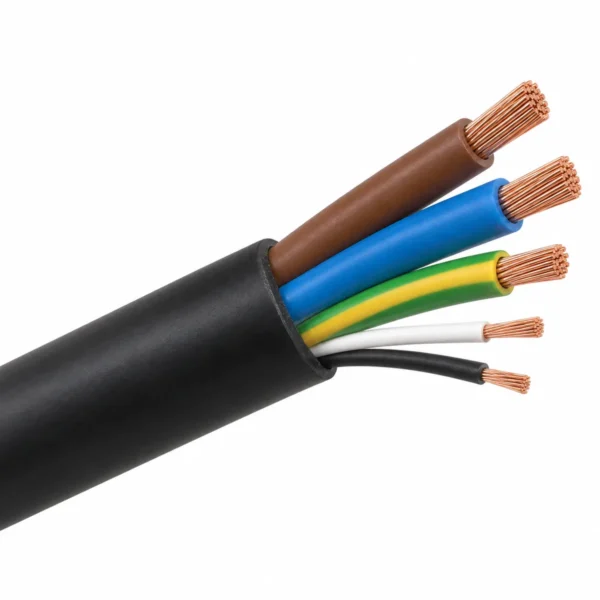
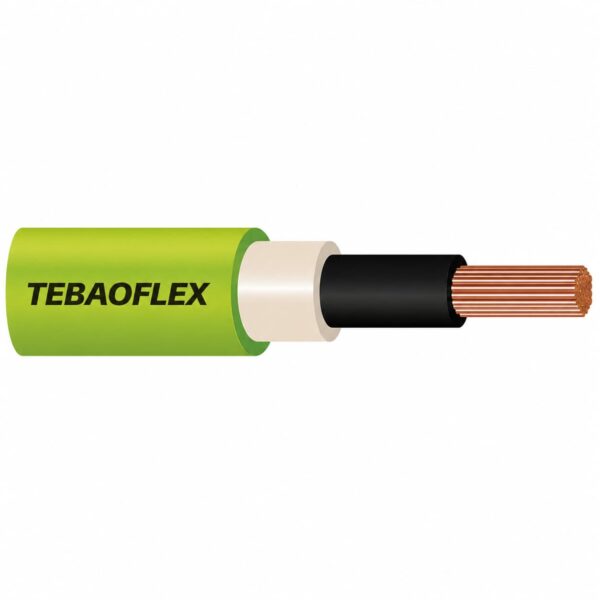
S1BZ5-F is a round multi-core cable. The DC power conductors, the green/yellow protective conductor (G) and the CC/CP control elements are laid up together under one black TPU sheath, so a single flexible cable serves both the power side and the signal side of the charging connector.
- Conductor: Bare copper, Class 5 according to EN/IEC 60228, for the power, protective and control cores.
- Insulation: HEPR type EVI-2 on power and control cores; 0.8 mm to 1.2 mm on the power cores, depending on size.
- Control cores: CC/CP elements of 0.75 mm² as twisted pairs, a four-core element or single cores; six 1.5 mm² cores on the 5G50 build.
- Outer sheath: Special TPU type EVM-1, black, 1.5 mm to 2.7 mm thick depending on the construction.
FAQ
Selection questions
What does the 1.5kV DC designation mean when the rated voltage is 600/1000V?
DC stresses insulation differently from AC, so a charging cable is given a DC value next to its AC rated voltage. S1BZ5-F carries a 600/1000V rated voltage and a 1.5kV DC designation. Check the maximum DC output voltage of your charger against the 1.5kV DC value; both values are confirmed on the approved drawing.
Which construction should I choose?
Start from the charger's maximum DC current and the connector the cable is terminated into. The 3G16 build with three control pairs suits lower-power DC units; the 2×35, 2×50 and 2×70 builds with a 1G16, 1G25 or 1G35 protective conductor cover most fast chargers; 2×95 + 1G50 is for the highest currents. Send the charger data and our engineers confirm the size and control-core layout.
What are the CC/CP control cores for?
They carry the control signals between charger and vehicle. The charger uses them to confirm that the connector is plugged in and to supervise the charge, so power flows only when the circuit is complete. The table lists them as twisted pairs, a four-core element or single cores of 0.75 mm², and six 1.5 mm² cores on the 5G50 build.
How does S1BZ5-F compare with FG16(O)R16?
FG16(O)R16 is a single-core cable for the fixed DC link between power cabinet and dispenser, laid in ducts, trays and conduit. S1BZ5-F is the flexible multi-core cable after the dispenser, with power and control cores in one TPU sheath for the lead the driver handles. High-power sites often use both; see the EV charging cable category for the AC charging cables.
What should I send for a quotation?
Send the construction from the table, the quantity and cut lengths, the charger's DC voltage and current, the connector type, the ambient temperature range on site and any type-test report or certificate your project requires.
Request this cable.
Send the construction, length, charger DC voltage and current, connector type and any certificate requirement.
Quality Assurance
Testing at every stage in our own workshop and laboratory, from incoming copper to the packed drum.

Raw Material Inspection
Every batch of copper rod, rubber compound and reinforcing material is checked before it reaches the line.
- Copper: conductor resistance, elongation and surface condition on incoming rod and drawn wire
- EPR, CPE, PUR and silicone compounds: hardness, tensile strength, elongation and ageing samples from each mix
- Suppliers and batch numbers are recorded so every drum can be traced back to its materials
Manufacturing Process Control
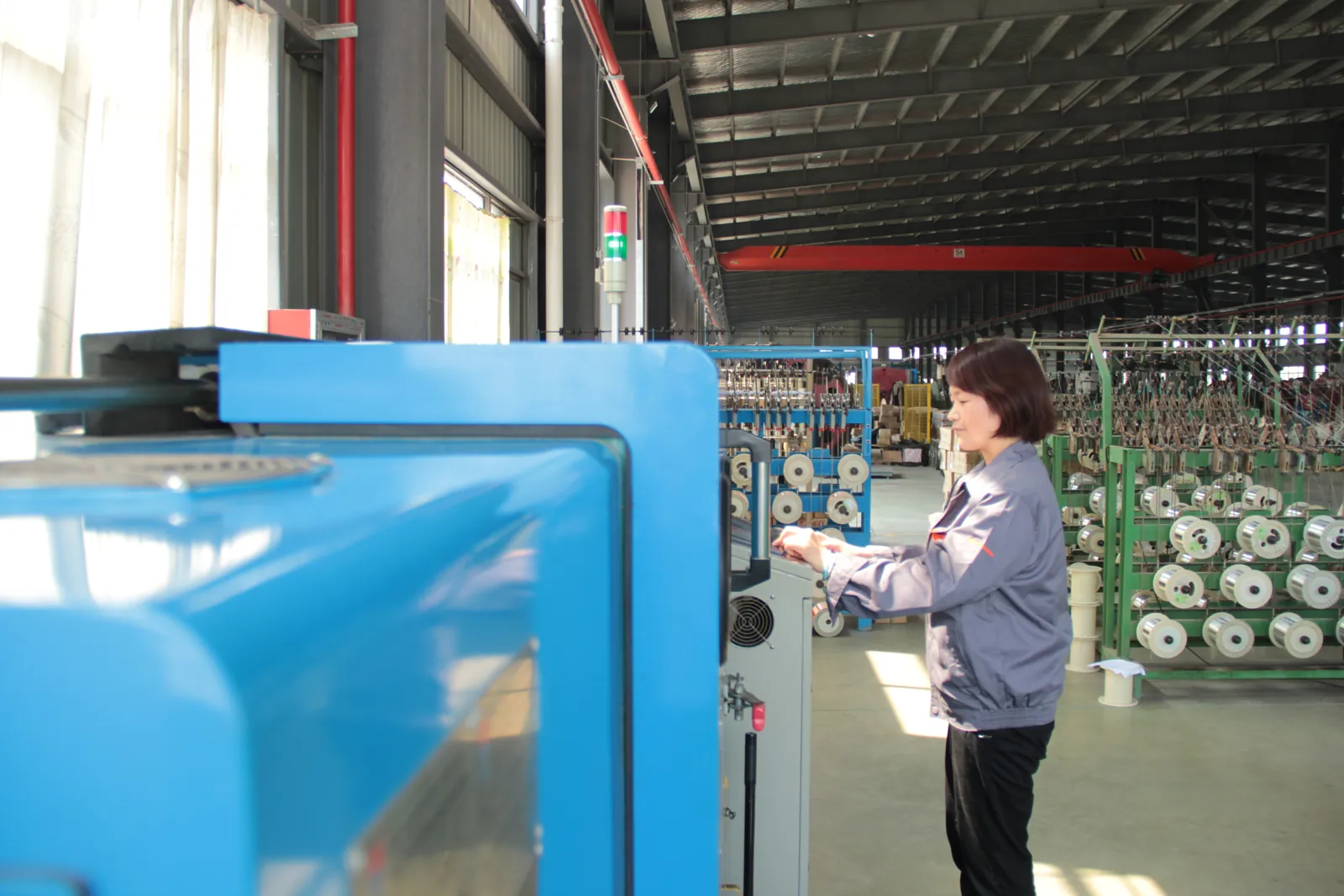
Stranding, insulation extrusion, core assembly and sheathing run under recorded process parameters.
- Class 5/6 stranding with lay length and tension monitored for trailing and reeling flexibility
- Continuous-vulcanisation extrusion with wall thickness and spark tests logged on every length
- Operators sign off each stage before the cable moves to the next machine
Electrical Testing
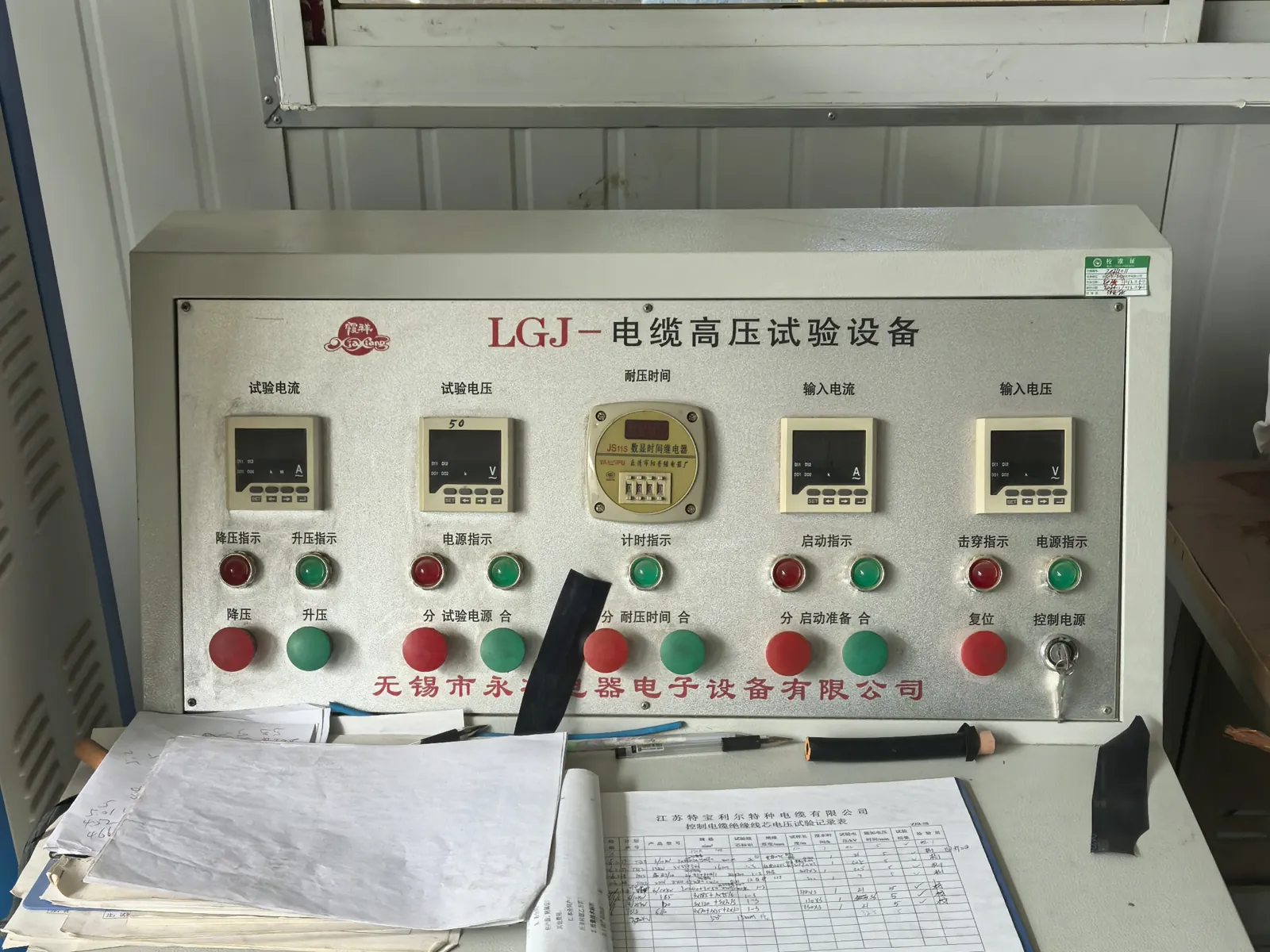
Finished lengths go through the routine tests required by the referenced VDE, ICEA, IEC or NEK standard.
- Conductor resistance and insulation resistance on every length
- Voltage withstand (3.5 kV and higher) and partial-discharge measurement in the shielded HV laboratory
- Screen and pilot-core continuity checks for mining and reeling constructions
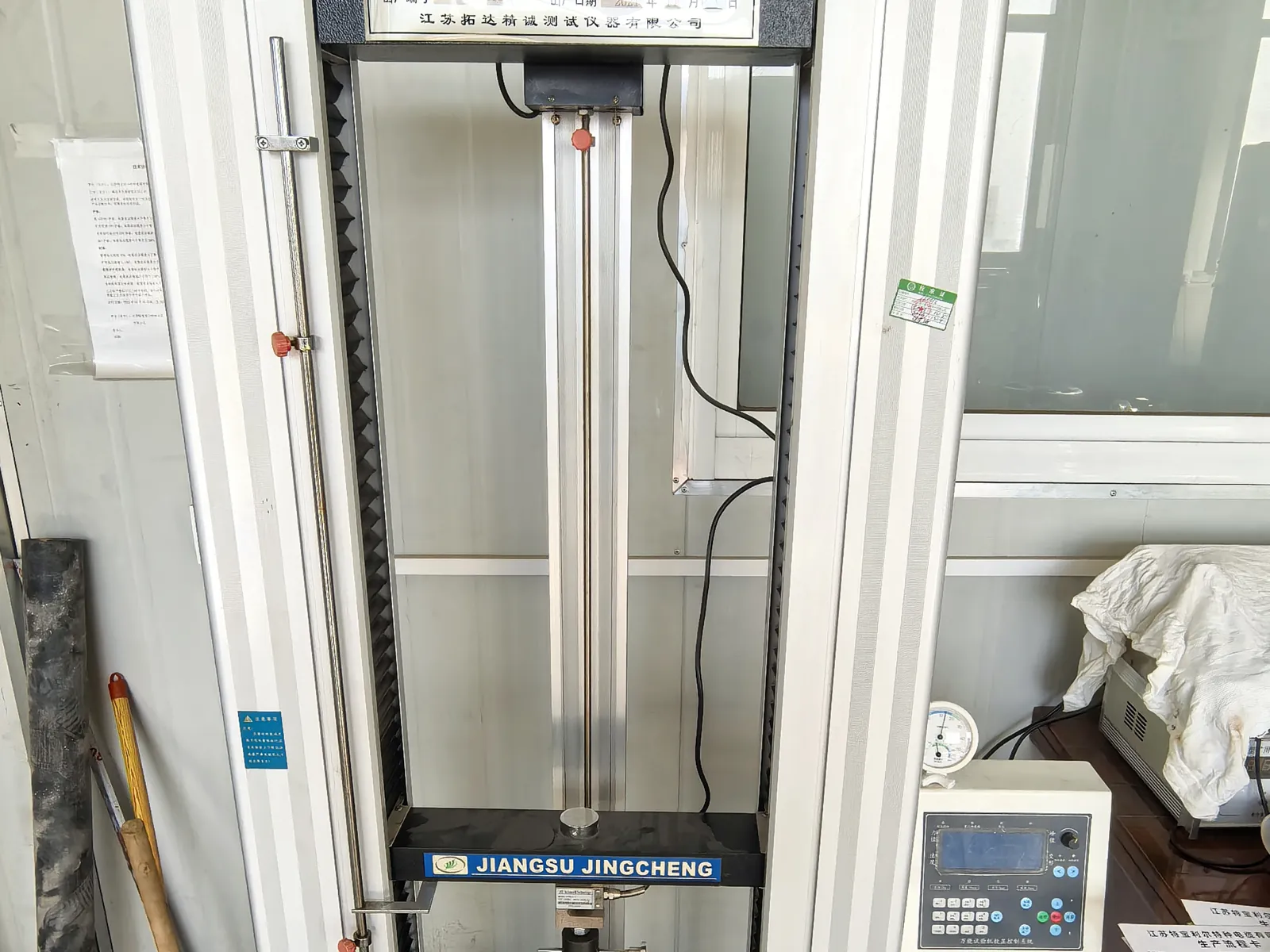
Mechanical and Ageing Tests
Samples from production are tested for the duty a mining, crane or submersible cable will actually see.
- Tensile strength and elongation of insulation and sheath before and after ageing
- Hot-set, ozone, oil-immersion and low-temperature bending tests
- Constant-temperature water bath for insulation resistance of submersible constructions
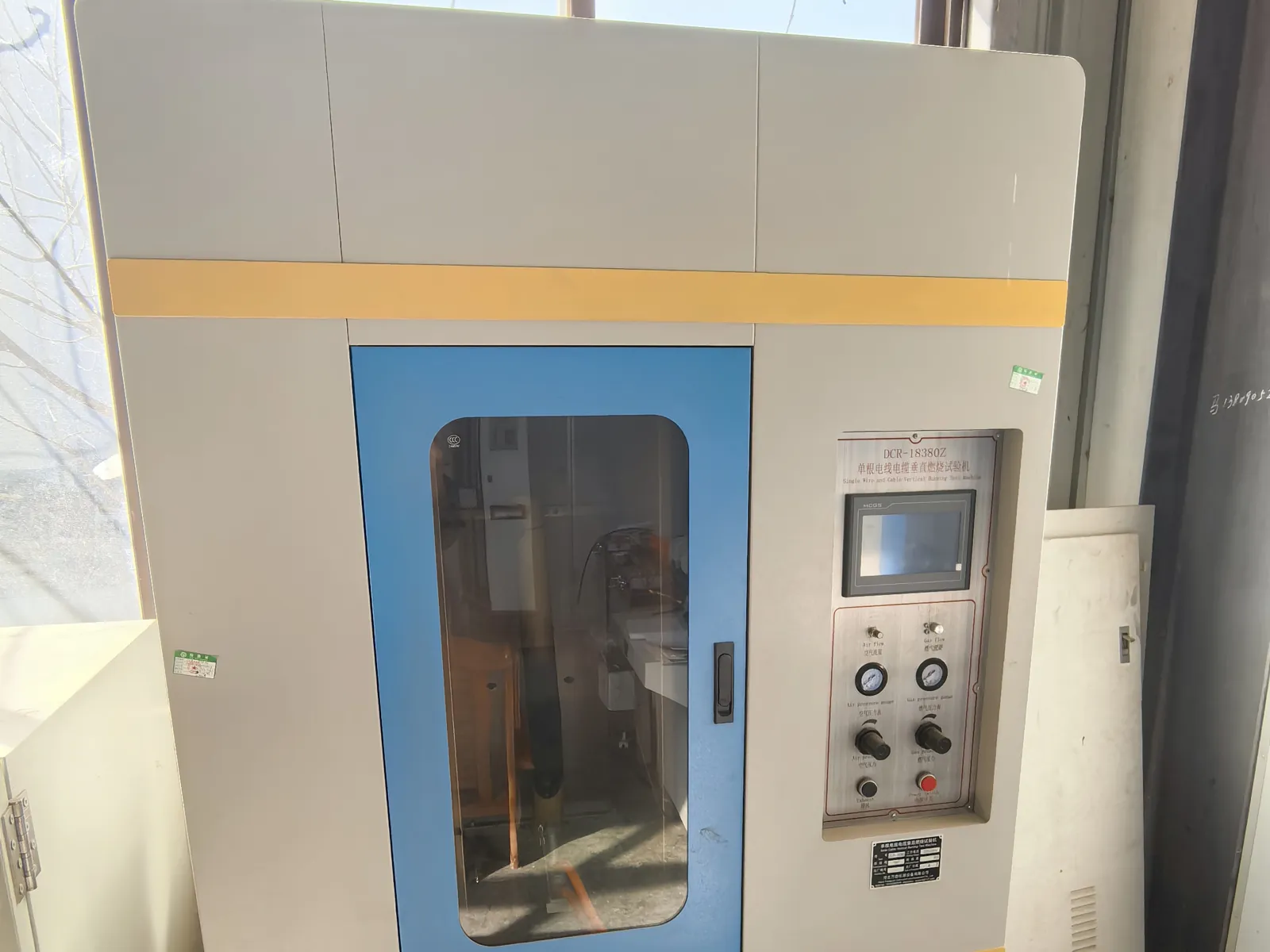
Flame Test and Final Inspection
Before packing, the cable is checked against the order and the flame-performance requirement of its standard.
- Single-cable vertical flame test to IEC 60332-1-2 where specified
- Metre marking, printing, drum length and appearance inspection
- Test report and packing list issued with every shipment
Related products
-
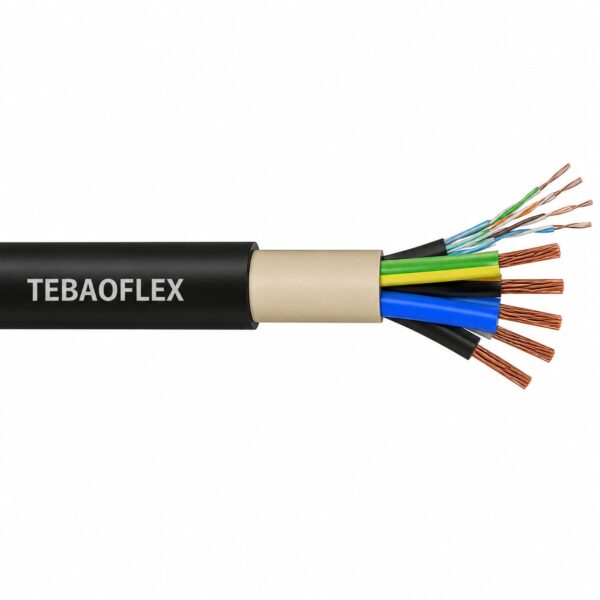
EV Charging SWA Cable with CAT5e Data, 3-Core 4mm² or 6mm², 600-1000V
-
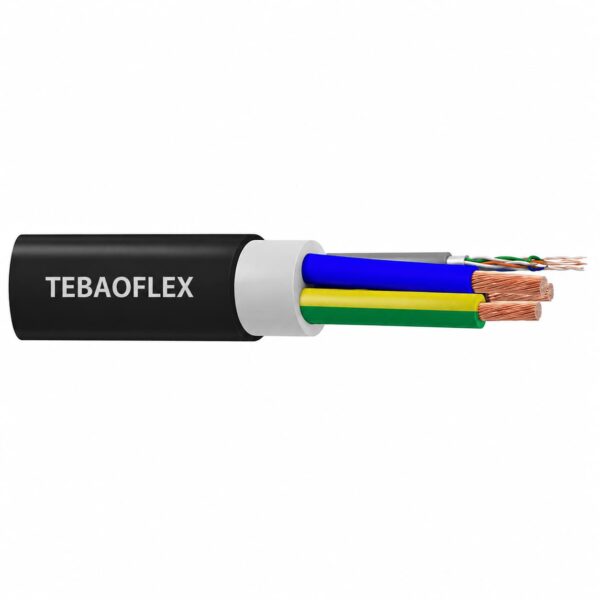
EV Charging Power + Cat6A Data LSZH Cable 0.6/1kV, 3 or 5 × 6mm²
-
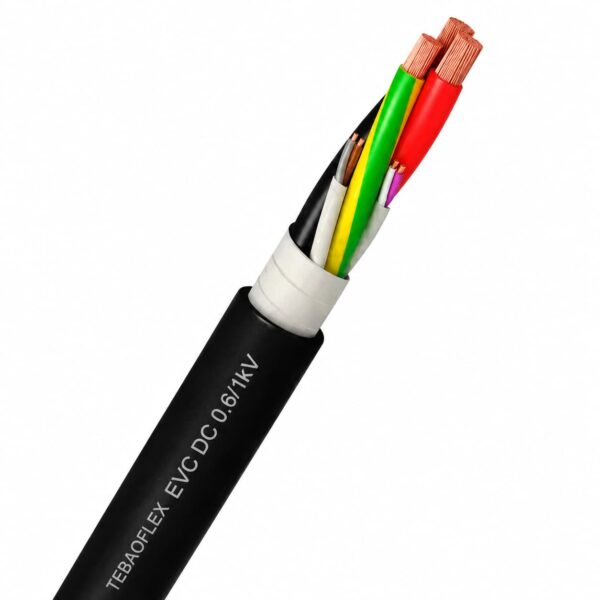
H07BZ5-F EV Charging Cable 450/750V with PUR-HF Sheath, 1.5-35mm²
-
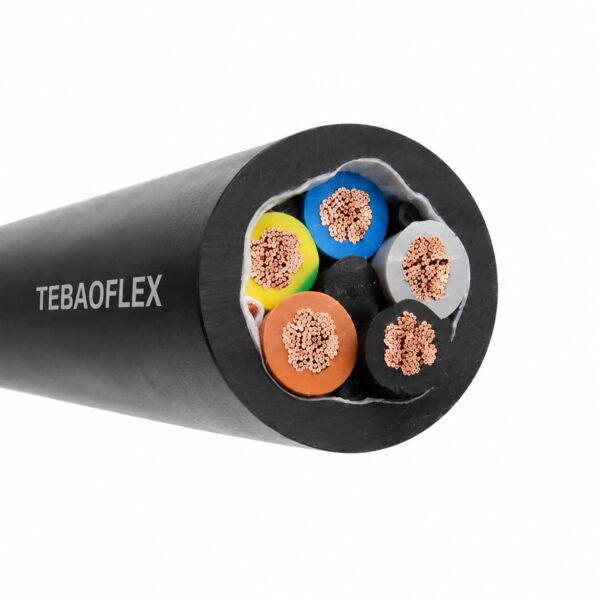
H05BZ5-F EV Charging Cable 300/500V, EN 50620, 3G1.5 and 3G2.5
-
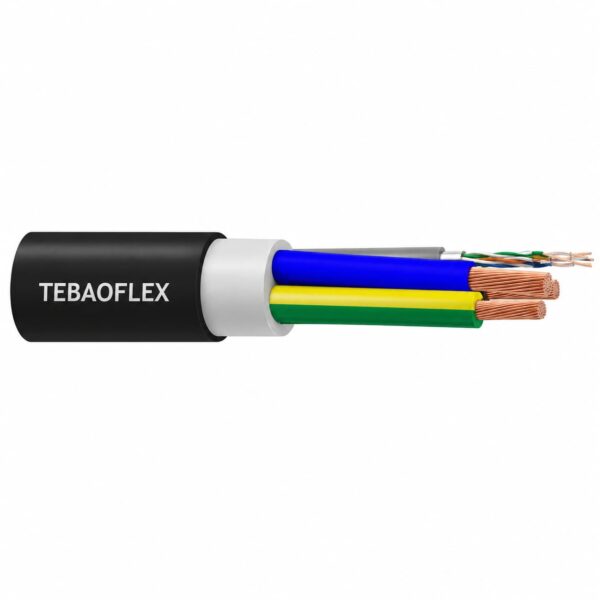
EV Charging Power + CAT5e Data Cable 0.6/1kV, 3 × 4mm² or 3 × 6mm²
-
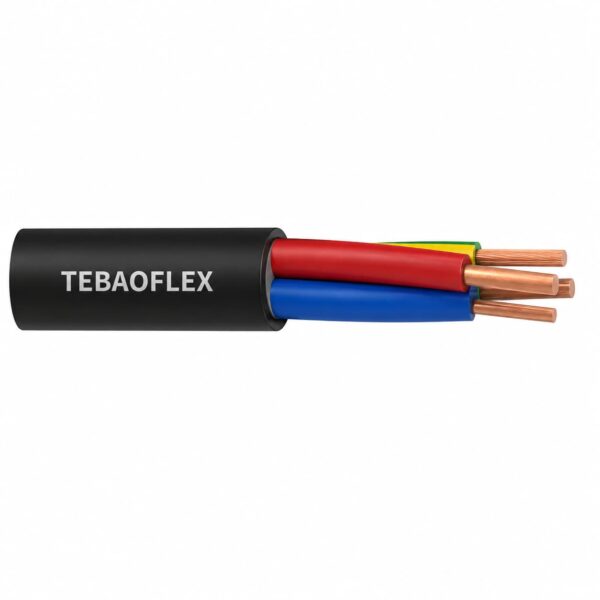
EV Charging Power + Cat6A Data SWA LSZH Cable 0.6/1kV, 3 or 5 × 6mm²
-
FG16(O)R16 Single-Core EV DC Charging Cable 600/1000V AC, 1800V DC
Need Pricing for This Cable?
Tell us the length, cores, cross-section and delivery country and we will reply with a quotation and datasheet.