


HLR2GCB2G 0.6/1kV Shielded Silicone Automotive Powertrain Cable 25–95mm²
HLR2GCB2G is a 0.6/1kV single-core shielded silicone cable for electric and hybrid vehicle powertrains, with Class 6 fine-stranded copper, silicone insulation and sheath, a tinned copper braid plus ALU-PET foil screen, and sizes from 25mm² to 95mm².
- Rated voltage0.6/1 kV
- ConductorClass 6 fine-stranded copper
- Insulation / sheathSiR silicone rubber, orange
- ScreenTinned Cu braid 85% + ALU-PET
- Sizes25, 35, 50, 70, 95 mm²
- Operating temperature-40°C to +180°C (3000 h)
- Bend radius static / dynamic3 × OD / 6 × OD
- Test voltage5 kV, 5 min; spark 8 kV
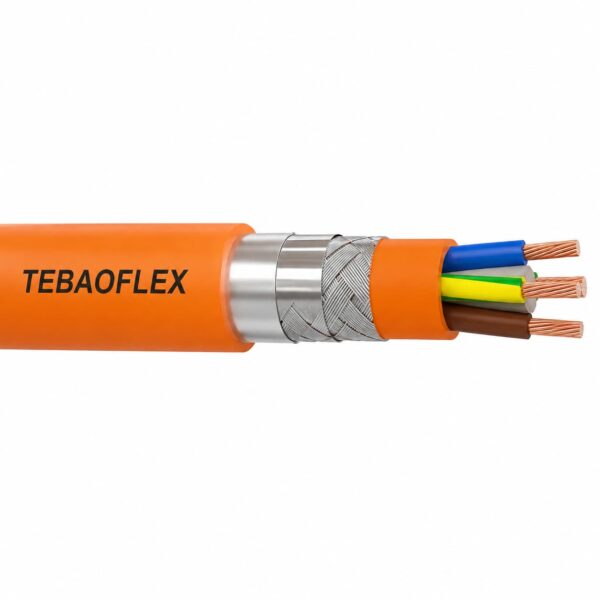
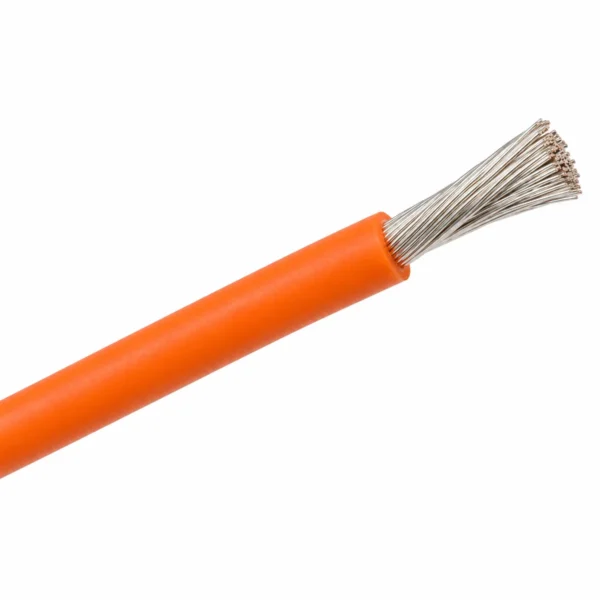
HLR2GCB2G is a shielded single-core silicone cable for the high-voltage circuits of electric and hybrid vehicle powertrains. It is rated 0.6/1 kV and built from a Class 6 fine-stranded copper conductor, silicone rubber (SiR) insulation, a two-layer screen and an orange silicone rubber sheath.
The screen combines a tinned copper braid with at least 85% coverage and an ALU-PET foil with at least 20% overlap. Together they contain the electrical noise of the power electronics inside the cable, while the silicone compounds keep the cable flexible across an operating range of -40°C to +180°C (3000 hours).
Browse the Automotive powertrain cable category for related cables.
Application & Features
Selection overview
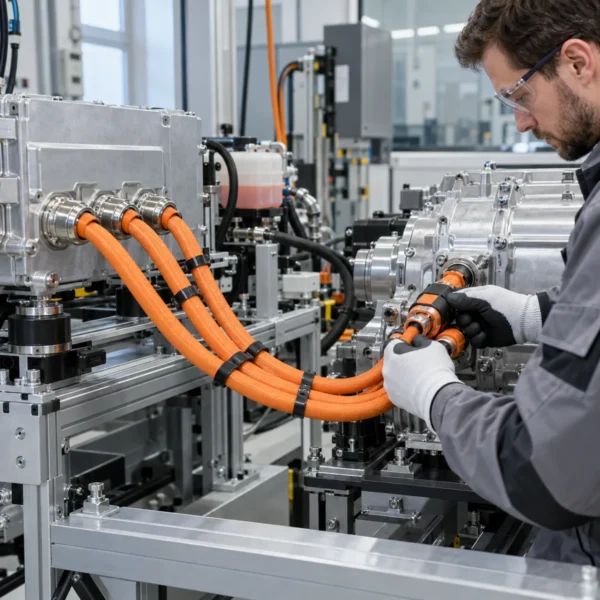
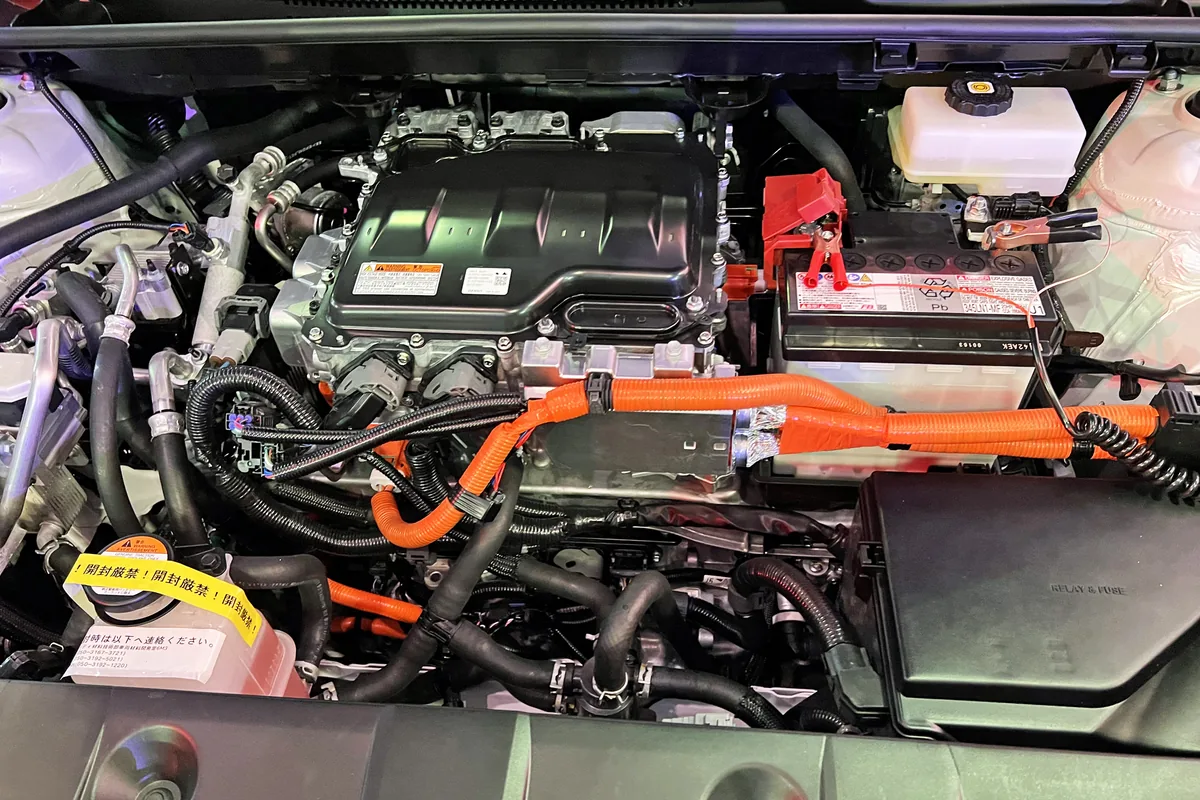
In a battery-electric or hybrid vehicle the high-voltage harness links the traction battery, the inverter or power control unit and the electric motor. These runs carry high current in a crowded space next to control electronics, and the inverter switches that current very fast. A screen around each high-voltage conductor keeps this switching noise inside the cable. HLR2GCB2G provides it with a braid and foil over the silicone insulation; the screen termination and bonding path are set by the vehicle's EMC design.
Silicone rubber stays flexible in the cold and tolerates the heat around motors and power electronics: the cable is rated -40°C to +180°C for 3000 hours, with short-term ageing at +205°C for 240 hours. The Class 6 conductor and separate static and dynamic bending radii let the same cable be routed tightly in a fixed harness and used on sections that move with the drivetrain. Because the current values in the electrical table change with temperature, the cross-section is chosen together with the temperature expected along the route.
- Battery and inverter routesScreened high-voltage power paths between the traction battery and the inverter where the approved design requires them.
- Electric motor circuitsMotor power routes, once the screening and temperature limits have been checked against the route.
- Power electronics interfacesConnections where capacitance, inductance and impedance are part of the electrical review.
- Vehicle harness assembliesRepeatable harness assemblies with defined termination and inspection requirements.
Specifications
Technical data
Typical HLR2GCB2G values. The final construction is confirmed on the TEBAOFLEX datasheet issued with your quotation.
Electrical and environmental data
| Parameter | Value |
|---|---|
| Voltage rating | 0.6/1kV |
| Spark test | 8kV |
| Test voltage, 5 minutes | 5kV |
| Operating temperature | -40°C to +180°C for 3000 hours |
| Short-term ageing | +205°C for 240 hours |
| Conductor operating temperature | 225°C |
| Minimum bend radius, static | 3 × overall diameter |
| Minimum bend radius, dynamic | 6 × overall diameter |
| Conductor | Class 6 fine flexible stranded copper |
| Insulation / sheath | SiR silicone rubber |
| Screening | Tinned copper, 85% minimum coverage; ALU-PET foil, 20% minimum overlap |
| Sheath colour | Orange |
HLR2GCB2G cable dimensions
| Nominal area | Conductor diameter | Insulation thickness | Overall diameter | Nominal weight |
|---|---|---|---|---|
| 25mm² | 7mm | 0.64mm | 12.2mm | 345g/m |
| 35mm² | 8.5mm | 0.64mm | 14.4mm | 485g/m |
| 50mm² | 10mm | 0.71mm | 15.8mm | 630g/m |
| 70mm² | 12.5mm | 0.8mm | 18.2mm | 880g/m |
| 95mm² | 14.8mm | 0.9mm | 20.9mm | 1150g/m |
HLR2GCB2G electrical data
| Area | DC resistance at 20°C | Capacitance | Inductance | Impedance | Current at 20/85/125/140°C |
|---|---|---|---|---|---|
| 25mm² | 0.743mΩ/m | 600pF/m | 100nH/m | 10Ω | 310 / 260 / 240 / 220A |
| 35mm² | 0.527mΩ/m | 600pF/m | 100nH/m | 10Ω | 375 / 325 / 280 / 260A |
| 50mm² | 0.368mΩ/m | 670pF/m | 105nH/m | 10Ω | 458 / 420 / 360 / 340A |
| 70mm² | 0.259mΩ/m | 670pF/m | 134nH/m | On request | 600 / 525 / 455 / 425A |
| 95mm² | 0.196mΩ/m | 630pF/m | 150nH/m | On request | 705 / 640 / 560 / 510A |
Selection note: current rating and impedance depend on the conductor temperature and the installation conditions. Before ordering, ask our engineers to confirm the current value for your route temperature, the impedance of the 70mm² and 95mm² sizes, and the screen termination and bonding details for your connectors.
Standards & References
Applicable standards and compliance
- Technical referencesHLR2GCB2G cable is manufactured to LV 216-2 table A2, C51 / 11.14, VW N 107 776 and BMW GS 95007-6-2.
- Regulatory notesCompliant with RoHS Directive 2011/65/EU (as amended by (EU) 2015/863) and REACH Regulation EC 1907/2006.
- Voltage scopeRated 0.6/1 kV; test voltage 5 kV for 5 minutes and 8 kV spark test.
- Screening scopeConfirm the required copper coverage, foil overlap, bonding path and termination details for the HLR2GCB2G cable system.
- ApprovalsOEM approvals, test reports and marking requirements are confirmed and quoted per order.
Construction
Material and build-up
HLR2GCB2G is a round single-core cable. From the inside out it has a fine-stranded copper conductor, silicone insulation, two screening layers and a silicone outer sheath. The braid gives the screen its low-resistance path and the foil closes the openings in the braid, which is why both are specified with a minimum value.
- Conductor: Class 6 fine flexible stranded copper, from 7mm diameter on 25mm² to 14.8mm on 95mm².
- Insulation: SiR silicone rubber, 0.64mm thick on 25mm² and 35mm², rising to 0.9mm on 95mm².
- Screen braid: Tinned copper braid with a minimum 85% coverage.
- Foil screen: ALU-PET (aluminium/polyester) foil with a minimum 20% overlap.
- Outer sheath: SiR silicone rubber in orange, the colour used to mark high-voltage cables in vehicles.
FAQ
Selection questions
What is HLR2GCB2G cable?
HLR2GCB2G is a single-core, screened high-voltage cable for vehicle powertrains. In this kind of designation 2G stands for silicone rubber and C for the copper screen, so the name describes a silicone-insulated, screened and silicone-sheathed cable. TEBAOFLEX supplies it rated 0.6/1 kV in five sizes from 25mm² to 95mm².
Why does HLR2GCB2G have both a braid and a foil?
The inverter switches high currents very fast, and without a screen the cable would pass that noise to nearby control and signal wiring. The tinned copper braid (85% minimum coverage) gives a low-resistance path to the connector housing, and the ALU-PET foil (20% minimum overlap) covers the openings in the braid. Both are terminated as the vehicle's EMC concept defines.
How do I choose the cross-section?
Start from the continuous and peak current of the circuit, then read the current column at the temperature the route will reach: on 50mm², for example, the value falls from 458A at 20°C to 340A at 140°C. Check the overall diameter against your connectors and grommets, and use the 6 × OD dynamic bend radius for sections that move with the drivetrain.
How does HLR2GCB2G compare with FHL2G?
FHL2G is the unshielded silicone cable in the same automotive powertrain cable category. HLR2GCB2G adds the copper braid and foil screen, so it is the choice where the system EMC design calls for screened high-voltage routes.
What should I send for a quotation?
Send the cross-section, the total length or number of cut pieces, the system voltage, continuous and peak current, the expected route temperature, the connector or termination type and any OEM specification your project follows.
Request this cable.
Send the cross-section, length, system voltage, current, route temperature and the OEM specification you work to.
Quality Assurance
Testing at every stage in our own workshop and laboratory, from incoming copper to the packed drum.
Raw Material Inspection
Every batch of copper rod, rubber compound and reinforcing material is checked before it reaches the line.
- Copper: conductor resistance, elongation and surface condition on incoming rod and drawn wire
- EPR, CPE, PUR and silicone compounds: hardness, tensile strength, elongation and ageing samples from each mix
- Suppliers and batch numbers are recorded so every drum can be traced back to its materials
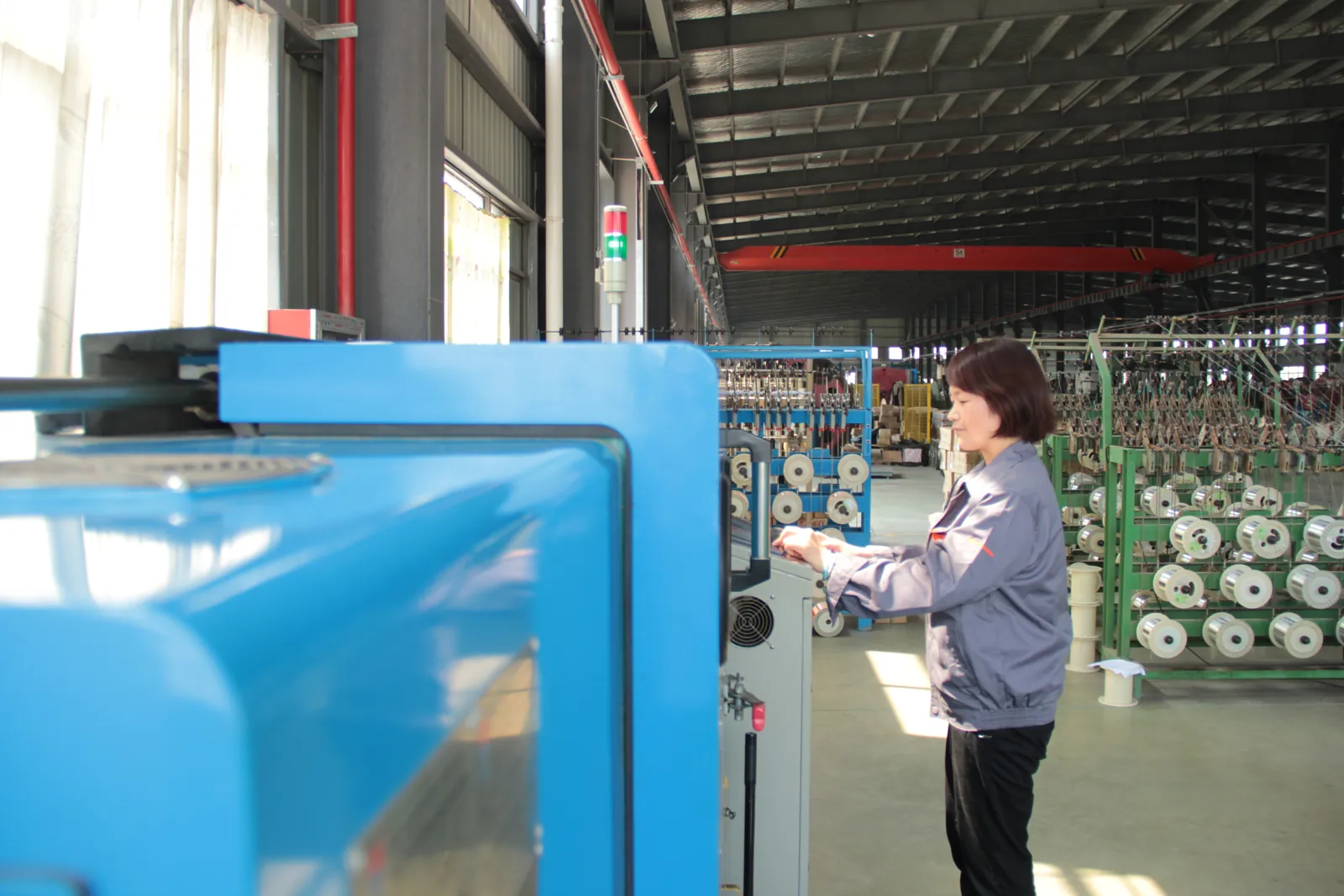
Manufacturing Process Control
Stranding, insulation extrusion, core assembly and sheathing run under recorded process parameters.
- Class 5/6 stranding with lay length and tension monitored for trailing and reeling flexibility
- Continuous-vulcanisation extrusion with wall thickness and spark tests logged on every length
- Operators sign off each stage before the cable moves to the next machine
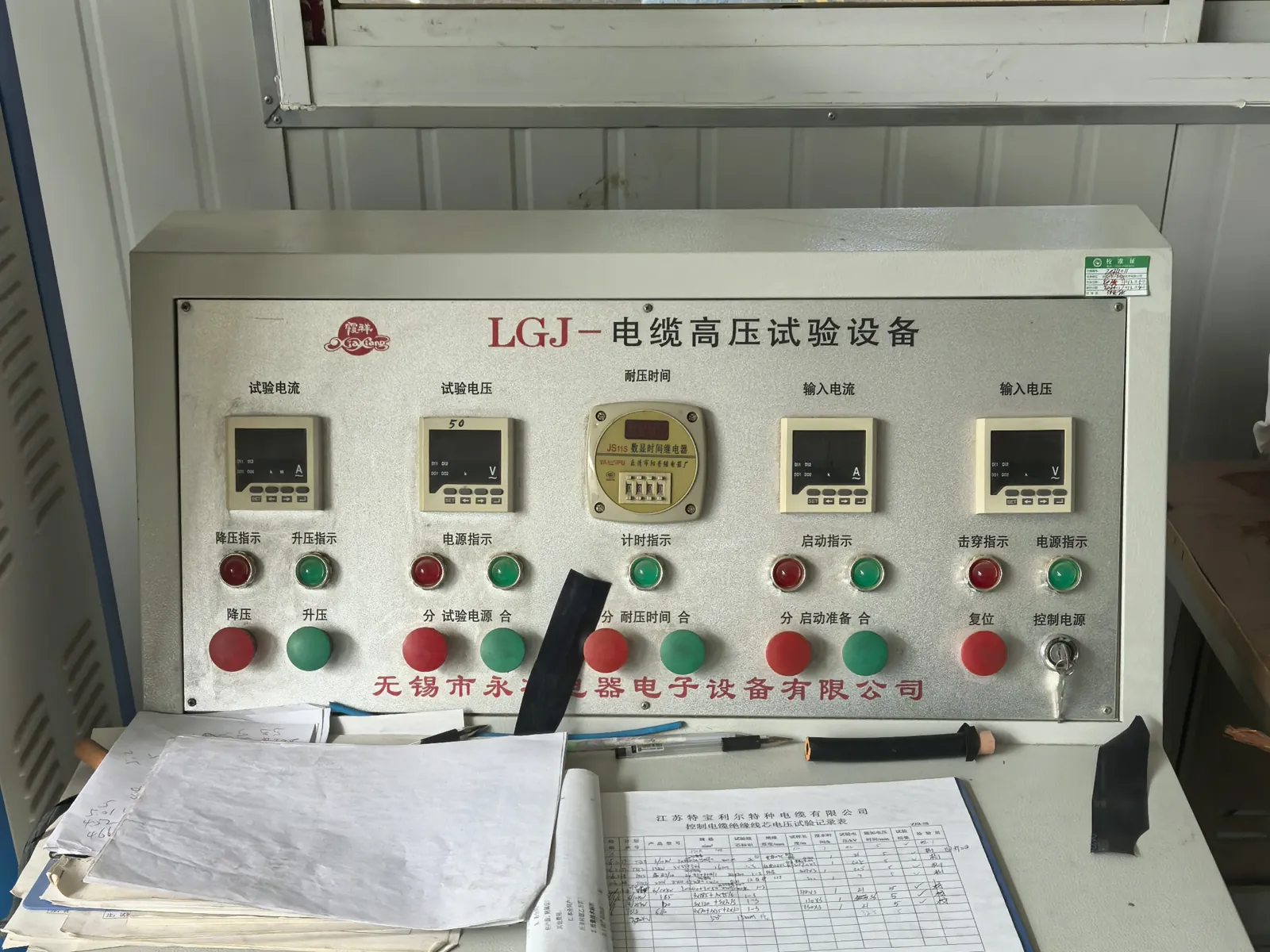
Electrical Testing
Finished lengths go through the routine tests required by the referenced VDE, ICEA, IEC or NEK standard.
- Conductor resistance and insulation resistance on every length
- Voltage withstand (3.5 kV and higher) and partial-discharge measurement in the shielded HV laboratory
- Screen and pilot-core continuity checks for mining and reeling constructions
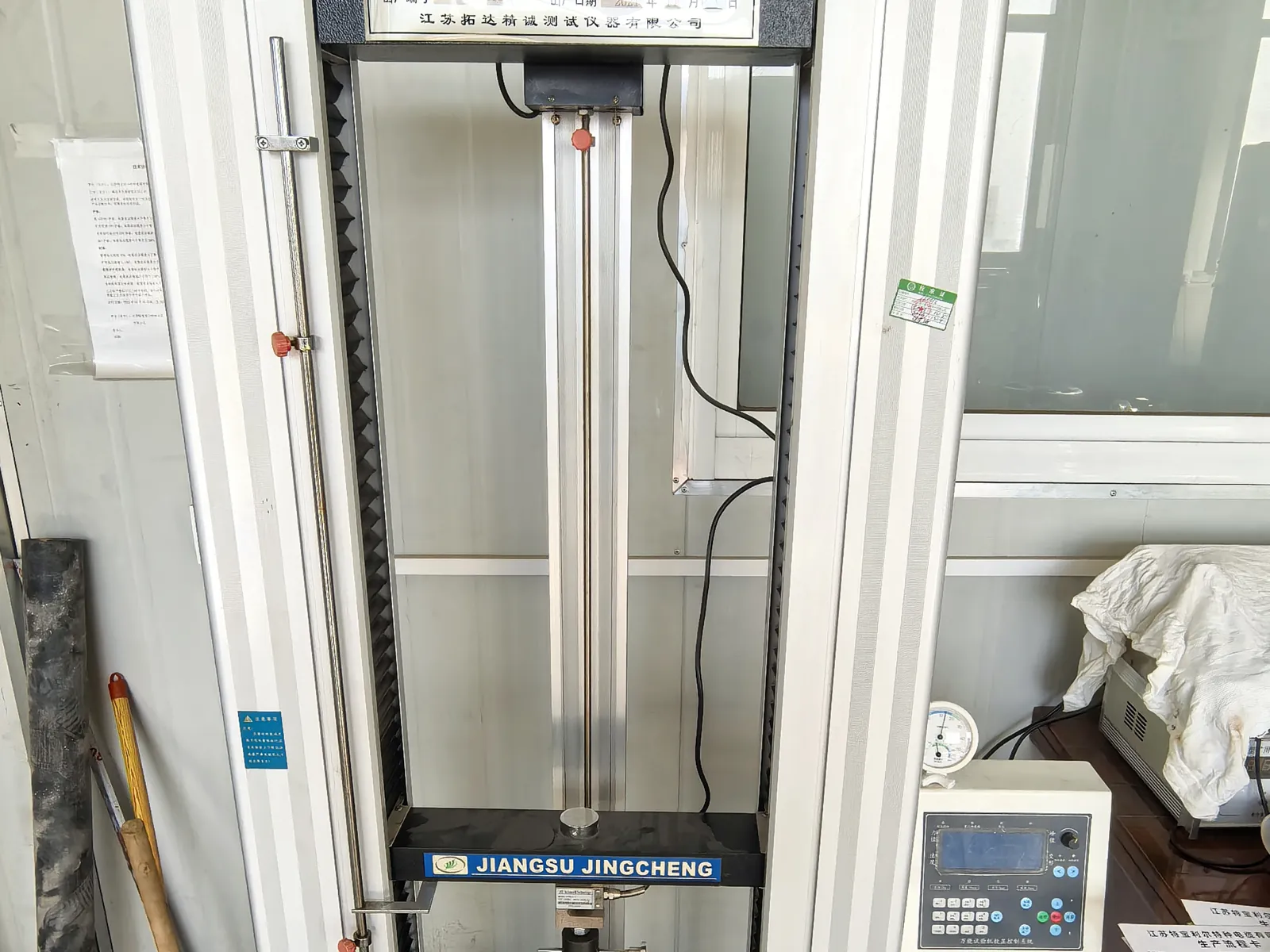
Mechanical and Ageing Tests
Samples from production are tested for the duty a mining, crane or submersible cable will actually see.
- Tensile strength and elongation of insulation and sheath before and after ageing
- Hot-set, ozone, oil-immersion and low-temperature bending tests
- Constant-temperature water bath for insulation resistance of submersible constructions
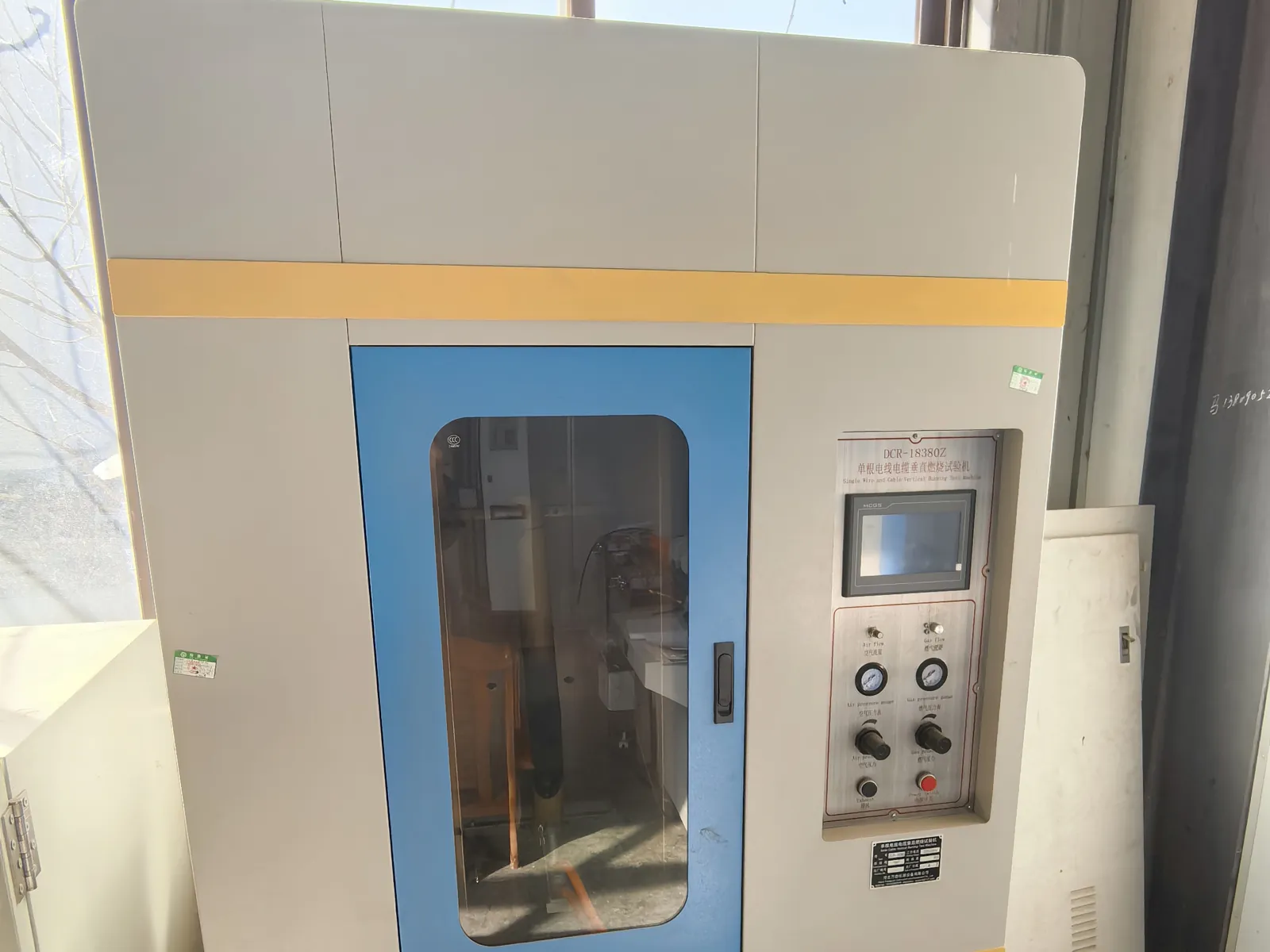
Flame Test and Final Inspection
Before packing, the cable is checked against the order and the flame-performance requirement of its standard.
- Single-cable vertical flame test to IEC 60332-1-2 where specified
- Metre marking, printing, drum length and appearance inspection
- Test report and packing list issued with every shipment
Related products
Need Pricing for This Cable?
Tell us the length, cores, cross-section and delivery country and we will reply with a quotation and datasheet.