

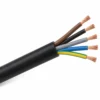
H05BZ5-F EV Charging Cable 300/500V, EN 50620, 3G1.5 and 3G2.5
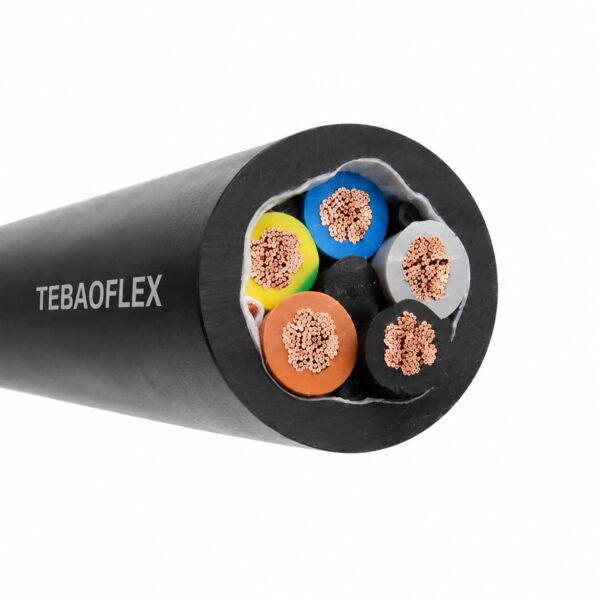
H05BZ5-F is the 300/500 V harmonised EV charging cable of EN 50620: flexible Class 5 copper, halogen-free cross-linked insulation and a halogen-free polyurethane sheath, built as 3G1.5 or 3G2.5 with optional control cores for mode 1 charging leads.
- Rated voltage U0/U300/500 V
- Cable standardEN 50620
- Charging modeMode 1 (EN 61851-1)
- ConductorClass 5 flexible copper
- Insulation / sheathEVI-2 / EVM-1 PUR, halogen-free
- Constructions3G1.5, 3G2.5 + control cores
- Max. conductor temperature+90 °C
- Min. bending radius6 × overall diameter
H05BZ5-F is the 300/500 V cable type of EN 50620, the European standard for halogen-free charging cables that run between the electricity supply point or charging station and an electric vehicle. The designation describes the build: H for a harmonised type, 05 for 300/500 V, B for the halogen-free cross-linked rubber insulation (compound EVI-2), Z5 for the halogen-free polyurethane sheath (compound EVM-1) and F for a flexible Class 5 copper conductor.
EN 50620 permits its 300/500 V cables only for charging mode 1 of EN 61851-1, where the vehicle is plugged straight into a standard socket-outlet without a control box in the lead. In practice this means charging leads for light electric vehicles. For mode 2 and mode 3 leads, and for larger cross-sections, the 450/750 V H07BZ5-F is the matching type. H05BZ5-F is not a substitute for heavy-duty trailing or reeling cable.
Browse the EV charging cable category for related cables.
Application & Features
Selection overview
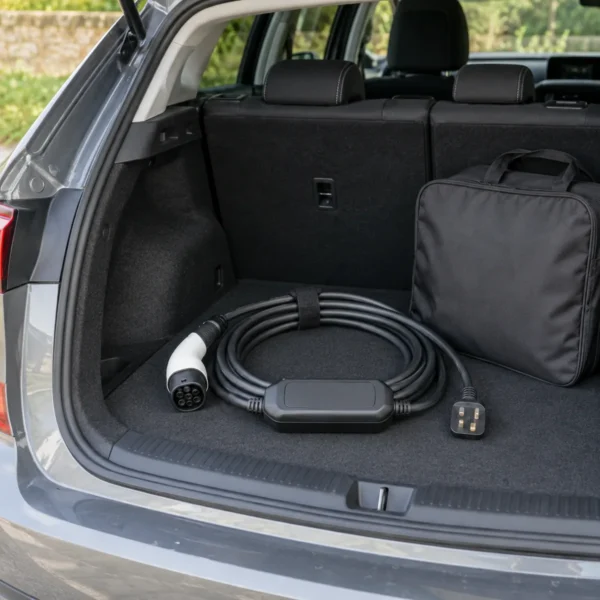
A mode 1 lead connects a vehicle's on-board charger directly to a household or industrial socket-outlet. The lead lies on the ground, is stepped on, dragged, coiled and uncoiled, and is used outdoors in rain and cold. EN 50620 therefore asks for a flexible Class 5 conductor, a tough polyurethane sheath and halogen-free materials tested for this duty, rather than a general appliance cord. The cable suits both indoor and outdoor use.
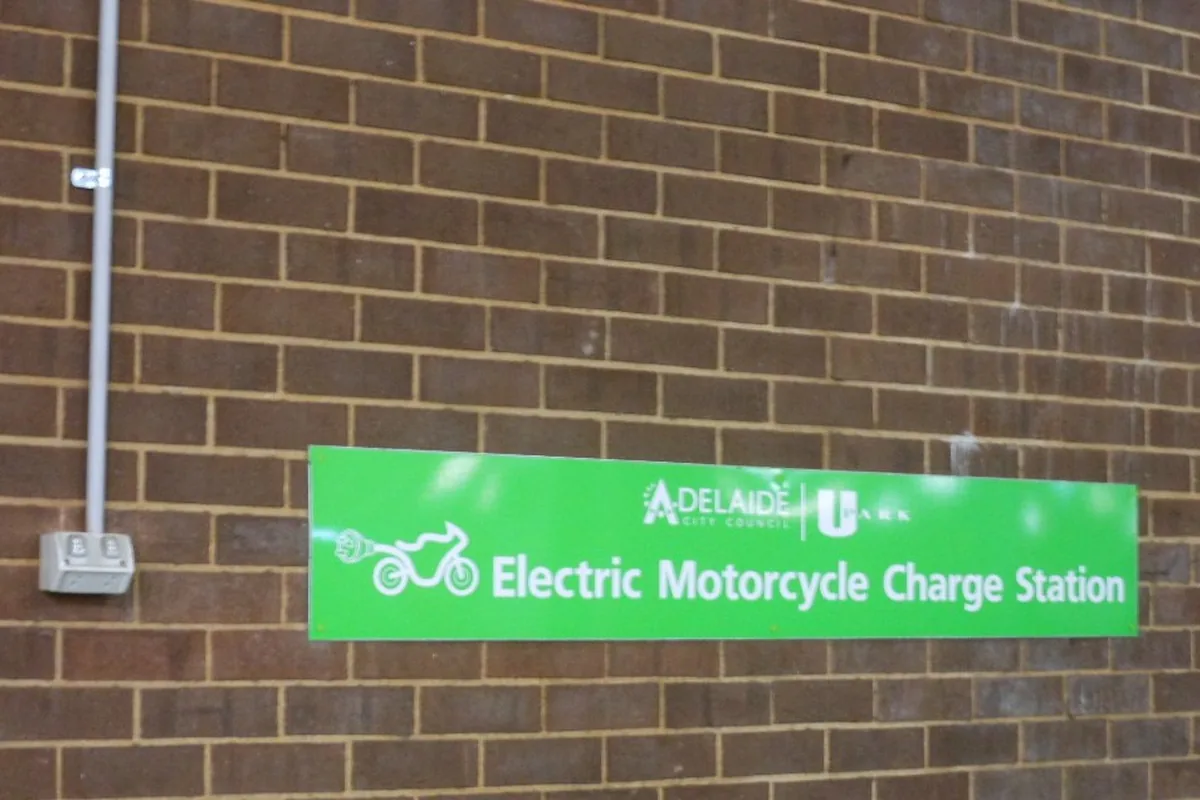
Typical buyers are makers of charging leads and of light electric vehicles that charge from a standard socket, such as electric scooters, motorcycles and small quadricycles. The 3G constructions carry phase, neutral and the green-yellow protective conductor; optional 0.5 mm² or 1.0 mm² control cores can be added where the lead design needs signal wires. Where the lead needs an in-cable control and protection device (mode 2) or connects to a charging station (mode 3), use H07BZ5-F instead.
- Mode 1 charging leads300/500 V cable for leads from a standard socket-outlet to a light electric vehicle.
- Halogen-free materialsCross-linked EVI-2 insulation and EVM-1 polyurethane sheath, both free of halogens.
- Outdoor handlingFlexible Class 5 copper and a PUR sheath for leads that are coiled, dragged and used outdoors.
- Optional control cores0.5 mm² or 1.0 mm² signal cores alongside the power cores where the design needs them.
Specifications
Technical data
Typical values for H05BZ5-F constructions. The final construction is confirmed on the TEBAOFLEX datasheet issued with your quotation.
Construction, electrical and installation data
| Parameter | Value |
|---|---|
| Cable standard | EN 50620 (international counterpart IEC 62893) |
| Rated voltage U0/U | 300/500 V |
| Charging mode | Mode 1 of EN 61851-1 only |
| Conductor | Plain annealed copper, flexible Class 5 to IEC 60228 |
| Insulation | Halogen-free cross-linked compound EVI-2 |
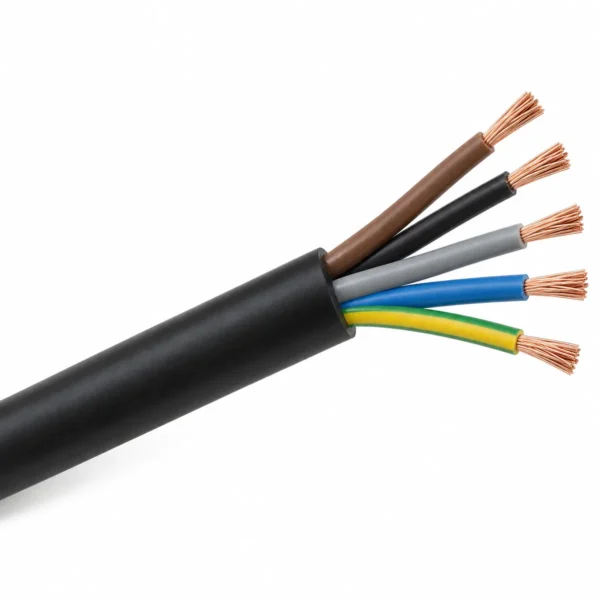
| Core identification | Green-yellow, blue, brown (HD 308) |
| Control cores | Optional, 0.5 mm² or 1.0 mm², Class 5 copper |
| Outer sheath | Halogen-free polyurethane compound EVM-1 (Z5) |
| Max. conductor temperature | +90 °C |
| Min. temperature, fixed | -40 °C |
| Min. temperature, flexing and handling | -35 °C |
| Max. short-circuit temperature | +250 °C |
| Minimum bending radius | 6 × overall diameter |
| Flame propagation | IEC 60332-1-2 |
| Installation | Indoor and outdoor |
Typical H05BZ5-F constructions
| Construction | Power cores | Optional control cores | Overall diameter (min. to max.) | Max. conductor resistance at 20 °C |
|---|---|---|---|---|
| 3G1.5 | 3 × 1.5 mm² incl. green-yellow | 0.5 or 1.0 mm² | 7.9 to 10.1 mm | 13.3 Ω/km |
| 3G2.5 | 3 × 2.5 mm² incl. green-yellow | 0.5 or 1.0 mm² | 9.1 to 11.5 mm | 7.98 Ω/km |
Selection note: before ordering, ask our engineers to confirm the current rating for your lead length and installation, the number and size of control cores, the overall diameter and weight of the construction with control cores, the sheath colour, and the marking and certification your market requires.
Standards & References
Applicable standards and compliance
- Cable standardEN 50620, halogen-free charging cables for electric vehicles; IEC 62893 is the international counterpart.
- Charging modeEN 50620 permits its 300/500 V cables for charging mode 1 of EN 61851-1 only.
- Conductor referencePlain annealed copper conductors to IEC 60228 Class 5.
- Flame propagationSingle-cable flame test to IEC 60332-1-2.
- ApprovalsCertification marks, type-test reports and marking requirements are confirmed and quoted per order.
Construction
Material and build-up
H05BZ5-F is a round multicore cable without screen or armour. The three power cores, including the green-yellow protective conductor, are laid up with any control cores and covered by a polyurethane sheath that provides the mechanical protection for a lead that is handled every day.
- Conductor: plain annealed copper, flexible Class 5 to IEC 60228; 1.5 mm² or 2.5 mm² power cores.
- Insulation: halogen-free cross-linked compound EVI-2, the 'B' in the designation.
- Core identification: green-yellow protective conductor, blue and brown cores to HD 308.
- Control cores: optional 0.5 mm² or 1.0 mm² Class 5 copper cores with rubber insulation for signal use.
- Outer sheath: halogen-free polyurethane compound EVM-1, the 'Z5' in the designation, for abrasion resistance and outdoor handling.
FAQ
Selection questions
What does H05BZ5-F mean?
It is a harmonised cable code. H marks a harmonised type, 05 the 300/500 V rating, B the halogen-free cross-linked rubber insulation, Z5 the halogen-free polyurethane sheath and F the flexible Class 5 conductor. The same code with 07 instead of 05, H07BZ5-F, is the 450/750 V version in the same standard.
Can H05BZ5-F be used for mode 2 or mode 3 charging?
No. EN 50620 permits its 300/500 V cables for mode 1 only. For a mode 2 lead with an in-cable control box, or a mode 3 lead between a charging station and the vehicle, use H07BZ5-F. For DC charging links, see the other cables in the EV charging cable category.
How is H05BZ5-F different from a general PUR cord such as H05BQ-F?
Both are 300/500 V flexible cables with a polyurethane sheath, but H05BQ-F is a general-purpose cord from the EN 50525 series, while H05BZ5-F is defined in EN 50620 with materials and tests set for EV charging leads. For a charging lead, specify the EN 50620 type.
Should I choose 3G1.5 or 3G2.5?
Start from the charging current of the vehicle's on-board charger, the length of the lead and whether it is used coiled or in high ambient temperatures. The larger 2.5 mm² cores reduce voltage drop and heating on longer leads. Send these details and our engineers confirm the current rating and the size.
What should I send for a quotation?
Send the construction (3G1.5 or 3G2.5), the control cores if any, length or coil size, sheath colour, the vehicle or charger type, the marking you need on the sheath and the certification your market requires.
Request this cable.
Send the construction (3G1.5 or 3G2.5), control cores, length or coil size, sheath colour, vehicle or charger type and required marking.
Quality Assurance
Testing at every stage in our own workshop and laboratory, from incoming copper to the packed drum.

Raw Material Inspection
Every batch of copper rod, rubber compound and reinforcing material is checked before it reaches the line.
- Copper: conductor resistance, elongation and surface condition on incoming rod and drawn wire
- EPR, CPE, PUR and silicone compounds: hardness, tensile strength, elongation and ageing samples from each mix
- Suppliers and batch numbers are recorded so every drum can be traced back to its materials
Manufacturing Process Control
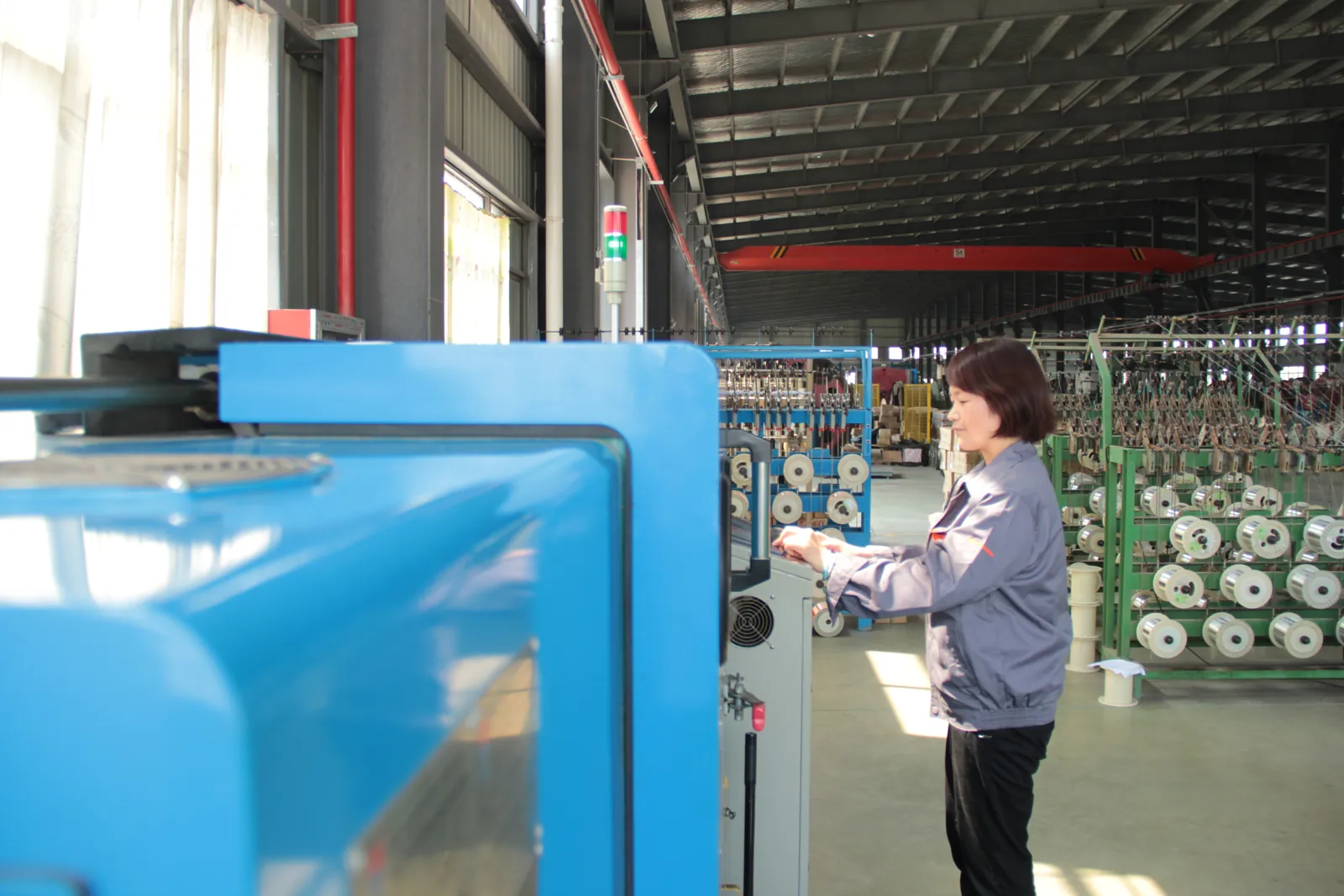
Stranding, insulation extrusion, core assembly and sheathing run under recorded process parameters.
- Class 5/6 stranding with lay length and tension monitored for trailing and reeling flexibility
- Continuous-vulcanisation extrusion with wall thickness and spark tests logged on every length
- Operators sign off each stage before the cable moves to the next machine
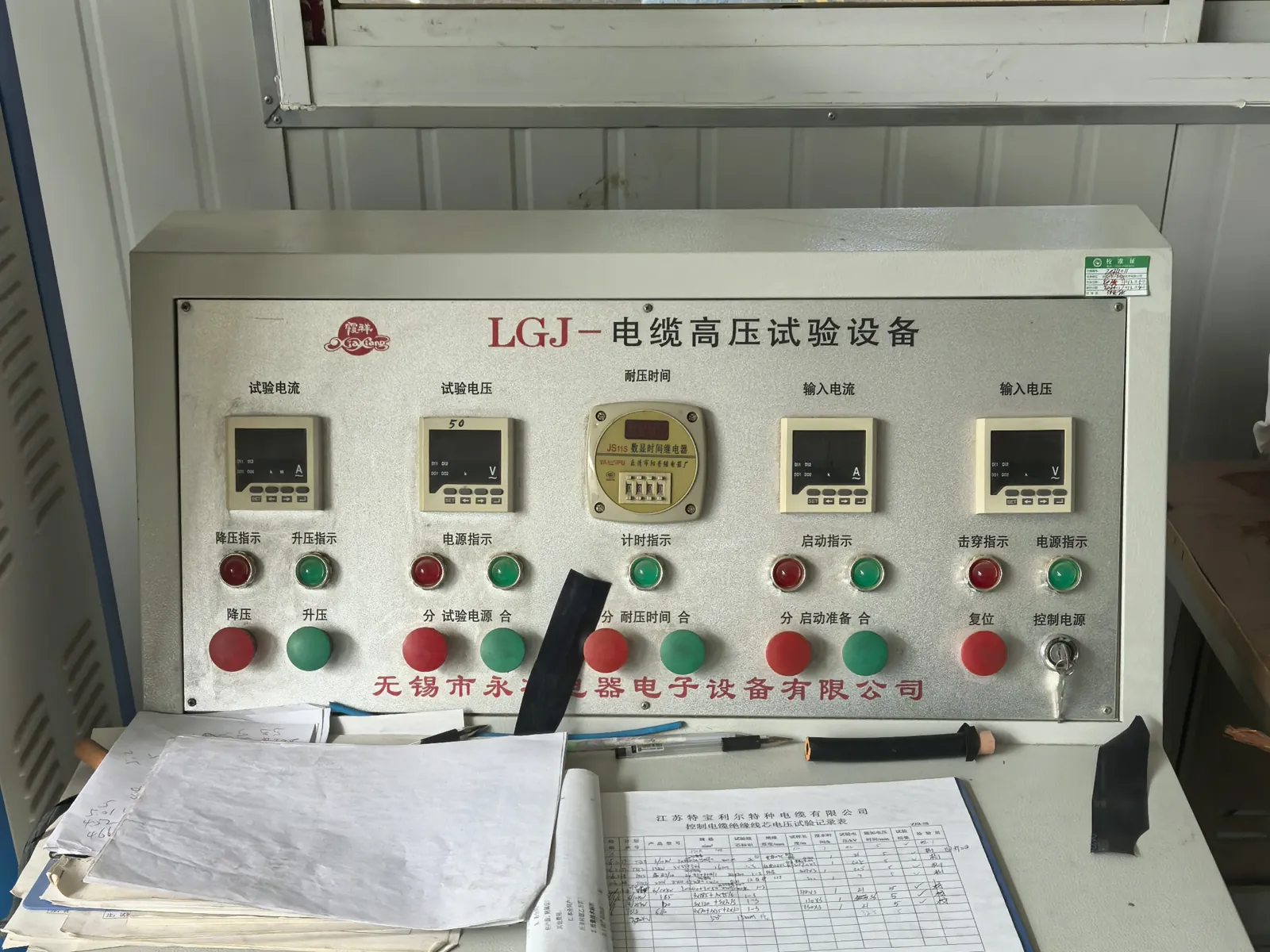
Electrical Testing
Finished lengths go through the routine tests required by the referenced VDE, ICEA, IEC or NEK standard.
- Conductor resistance and insulation resistance on every length
- Voltage withstand (3.5 kV and higher) and partial-discharge measurement in the shielded HV laboratory
- Screen and pilot-core continuity checks for mining and reeling constructions
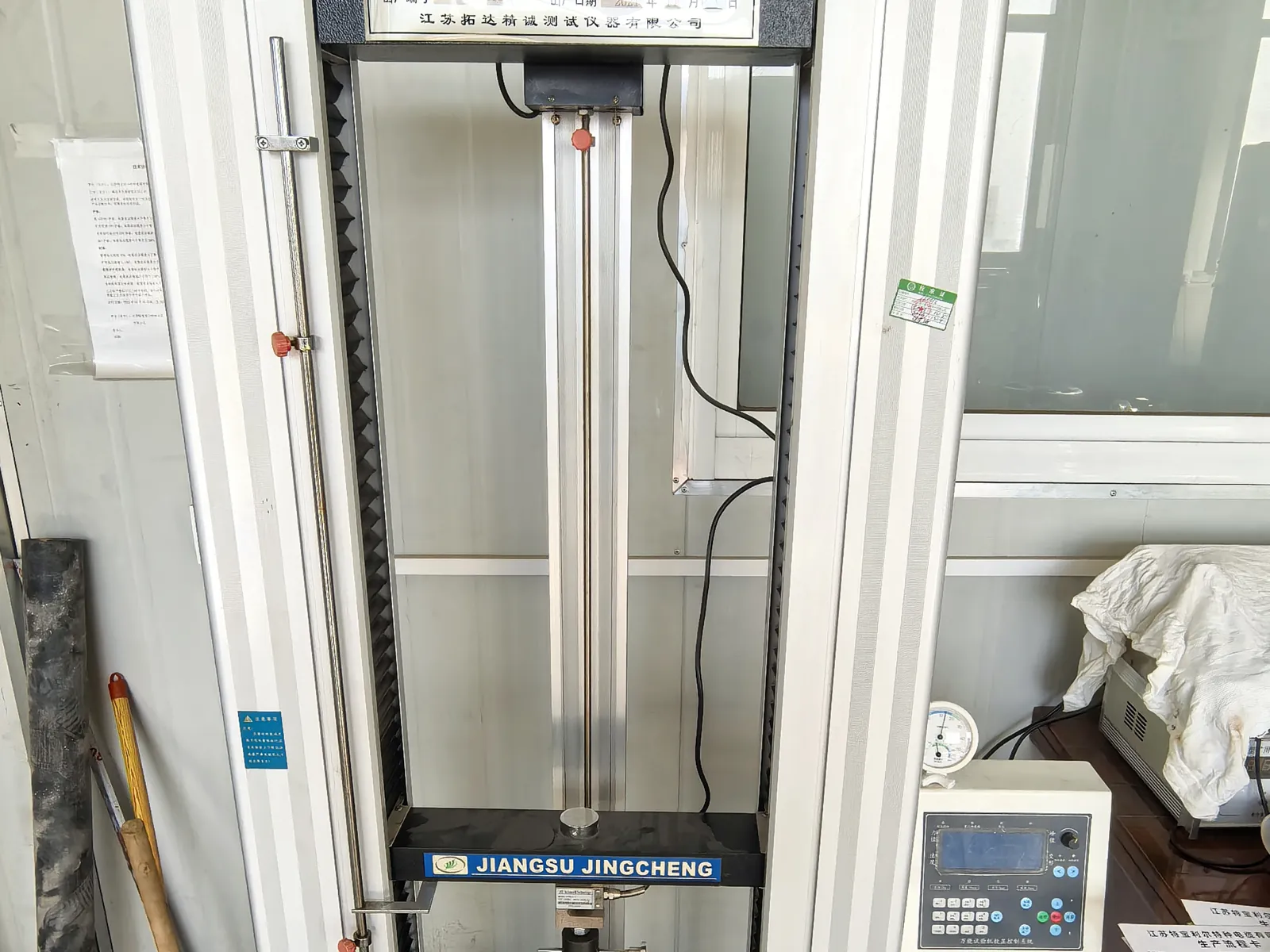
Mechanical and Ageing Tests
Samples from production are tested for the duty a mining, crane or submersible cable will actually see.
- Tensile strength and elongation of insulation and sheath before and after ageing
- Hot-set, ozone, oil-immersion and low-temperature bending tests
- Constant-temperature water bath for insulation resistance of submersible constructions
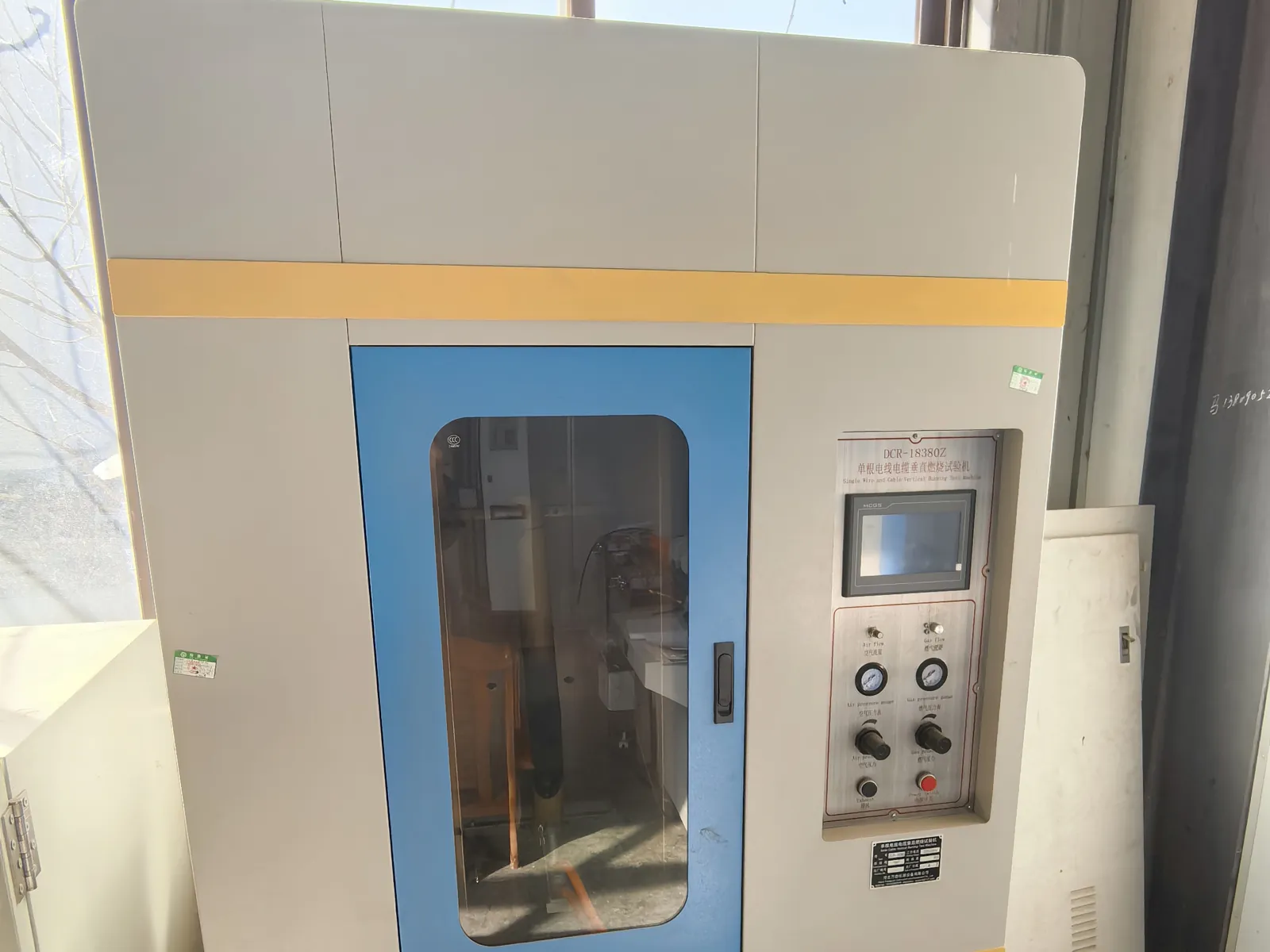
Flame Test and Final Inspection
Before packing, the cable is checked against the order and the flame-performance requirement of its standard.
- Single-cable vertical flame test to IEC 60332-1-2 where specified
- Metre marking, printing, drum length and appearance inspection
- Test report and packing list issued with every shipment
Related products
-
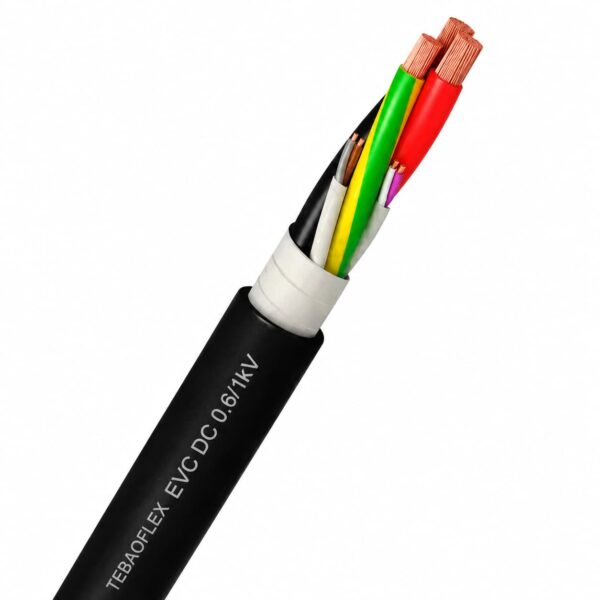
H07BZ5-F EV Charging Cable 450/750V with PUR-HF Sheath, 1.5-35mm²
-
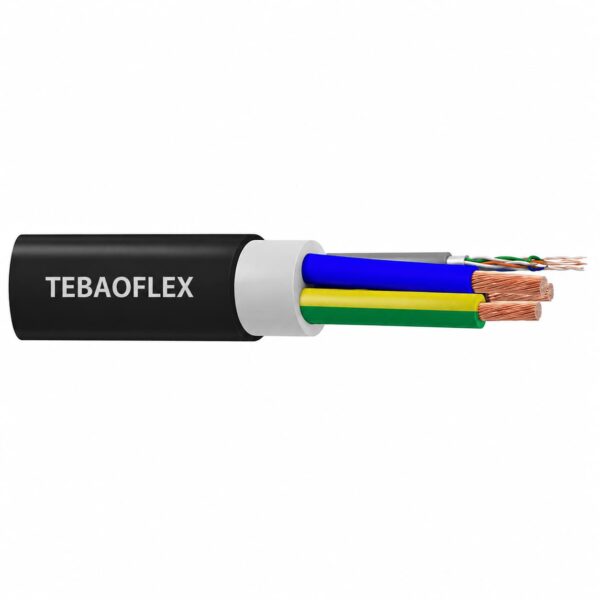
EV Charging Power + Cat6A Data LSZH Cable 0.6/1kV, 3 or 5 × 6mm²
-
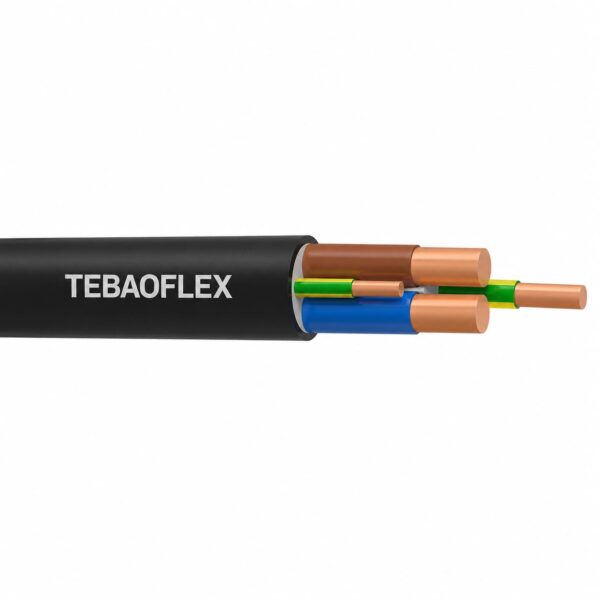
S1BZ5-F 1.5kV DC EV Charging Cable with CC/CP Control Cores, 16-95mm²
-
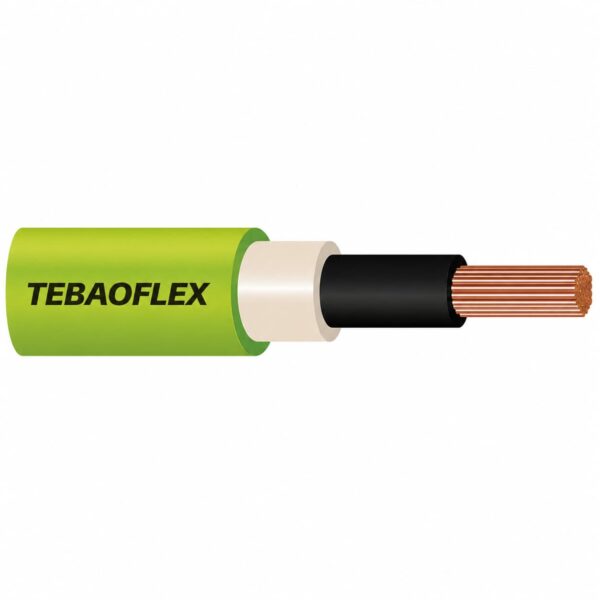
FG16(O)R16 Single-Core EV DC Charging Cable 600/1000V AC, 1800V DC
-
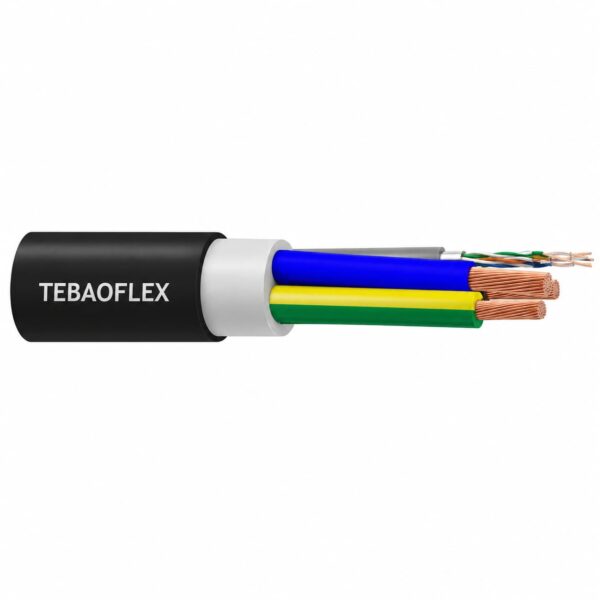
EV Charging Power + CAT5e Data Cable 0.6/1kV, 3 × 4mm² or 3 × 6mm²
-
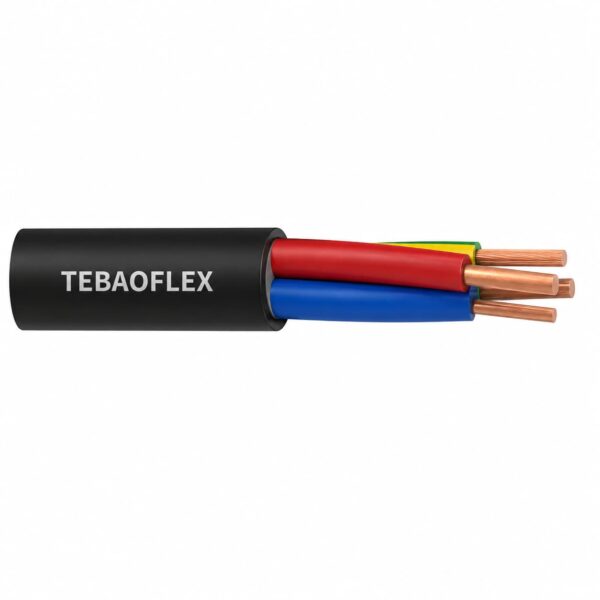
EV Charging Power + Cat6A Data SWA LSZH Cable 0.6/1kV, 3 or 5 × 6mm²
-
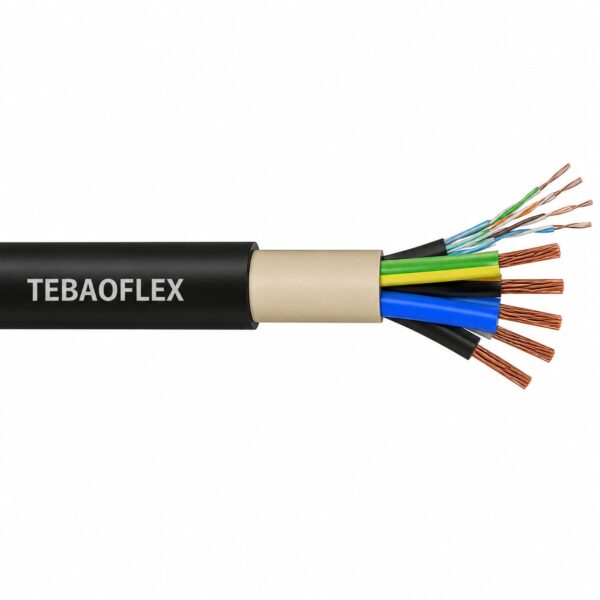
EV Charging SWA Cable with CAT5e Data, 3-Core 4mm² or 6mm², 600-1000V
Need Pricing for This Cable?
Tell us the length, cores, cross-section and delivery country and we will reply with a quotation and datasheet.