

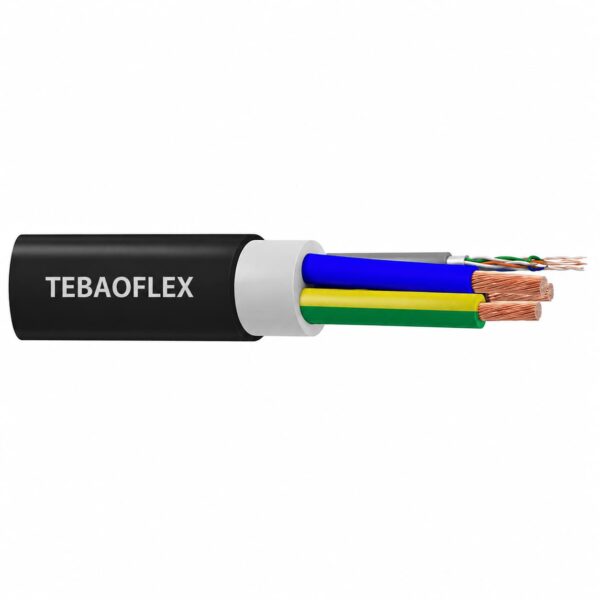
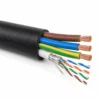
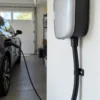
EV Charging Power + Cat6A Data LSZH Cable 0.6/1kV, 3 or 5 × 6mm²
Unarmoured EV charging cable that combines 0.6/1kV power cores with a screened Cat6A data element for charger power and flow monitoring: 3 or 5 × 6mm² Class 5 copper, XLPE insulation, an LSZH data sheath and a UV-resistant LSZH outer sheath.
- Voltage (power cores)0.6/1kV
- Test voltage5000V
- Power cores3 or 5 × 6 mm², Class 5
- Data elementScreened Cat6A, AWG23
- SheathsLSZH data, UV-resistant LSZH
- Overall diameter16.1 mm / 19.1 mm
- Fixed installation temp.-30°C to +80°C
- Min. bending radius6 × outer diameter
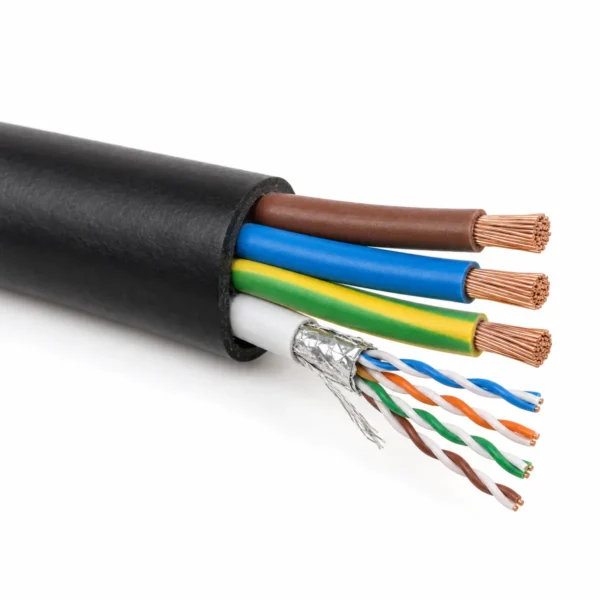
This unarmoured cable brings the supply and a screened Cat6A data link to an electric vehicle charging unit in one pull. Three or five 6 mm² Class 5 flexible copper power cores with XLPE insulation, rated 0.6/1kV, are laid up with a Cat6A element of solid copper pairs in HDPE insulation. The pairs are screened individually and together with Al/PET tape and a tinned copper drain wire, the data element has its own LSZH sheath, and the whole cable is covered by a UV-resistant LSZH outer sheath.
The data element carries the flow-monitoring signal that a charger uses for load management, for example from a current transformer at the incoming supply, or a network link to a site controller. Without armour the cable is smaller and lighter than the armoured version, and it suits routes where the building or the containment already gives mechanical protection: in air, clipped direct, on tray or ladder, in concrete, or in protected burial.
Browse the EV charging cable category for related cables.
Application & Features
Selection overview
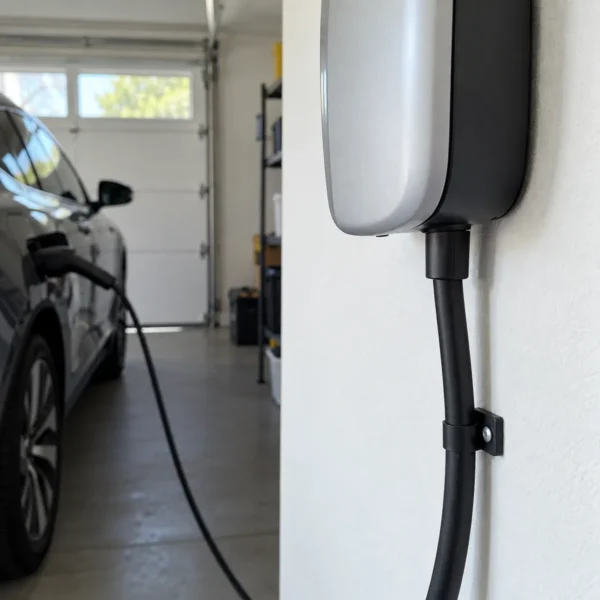
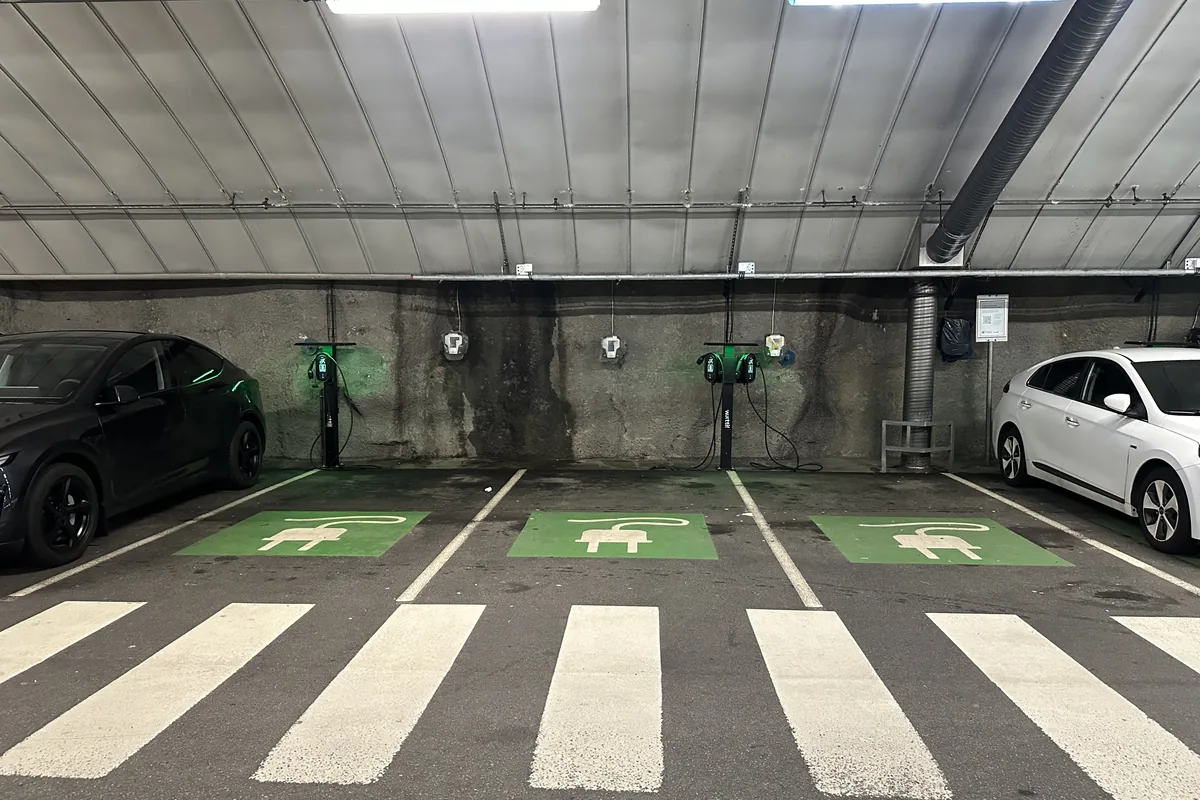
Chargers in car parks, depots and commercial buildings are usually fed from a distribution board some distance away, and many of them need data from the supply side as well as power. A charger that balances its load against the building supply reads a current transformer at the incoming main; a networked charger reports to a site controller. Pulling power and data as one cable means one route, one set of fixings and one entry into the charger, and the data link cannot be left out or routed away from the power.
Choose three power cores for single-phase chargers and five cores where the charger is fed three-phase. The LSZH sheaths limit smoke and corrosive gas if a fire starts in an enclosed car park or building, and the outer sheath is UV resistant for runs that leave the building. Where the route needs mechanical protection that the containment does not give, for example on an exposed wall or in direct burial without added protection, use the armoured Cat6A LSZH version instead.
- EV charging unitsOne cable for charger power and flow-monitoring data from the board to the charging unit.
- Car parks and buildingsLSZH data and outer sheaths for enclosed car parks, plant rooms and public buildings.
- Tray, ladder and clipped routesFor specified clipped, tray or ladder installations and runs in air.
- Concrete and protected burialWhere the concrete or buried route includes the required mechanical protection.
Specifications
Technical data
Values from the current TEBAOFLEX EV Cat6A LSZH datasheet. The final construction is confirmed on the approved datasheet for your order.
Electrical and environmental data
| Parameter | Value |
|---|---|
| Voltage | 0.6/1kV (power cores) |
| Test voltage | 5000V |
| Fixed installation temperature | -30°C to +80°C |
| Minimum bend radius | 6 × outer diameter |
| Power conductors | Class 5 flexible stranded copper, XLPE insulation |
| Cat6A conductors | Class 1 solid copper, HDPE insulation |
| Data screen | Individual and collective Al/PET with tinned copper drain wire |
| Data sheath | LSZH |
| Outer sheath | LSZH, UV resistant |
| Installation | In air, clipped direct, on tray or ladder, in concrete, protected burial |
Cable dimensions
| Power cores | Power size | Cat6A data | Cat6A data diameter | Power insulation | Overall diameter | Weight | Pulling tension |
|---|---|---|---|---|---|---|---|
| 3 | 6mm² | AWG23 | 6.9mm | 1.8mm | 16.1mm | 899kg/km | 560N/mm² |
| 5 | 6mm² | AWG23 | 6.9mm | 1.8mm | 19.1mm | 1434kg/km | 770N/mm² |
Electrical characteristics
| Power DC resistance | Data DC resistance | Mutual capacitance | Inductance | L/R ratio | Current at 30°C |
|---|---|---|---|---|---|
| 3.4Ω/km | 9.38Ω/100m | 1000nF/km | 115mH/km | 1µH/Ω | 60A air / 54A clipped / 44A trunking / 46A |
Selection note: current and data ratings depend on the installation method and conductor temperature. The current values in the table are given at 30°C; before ordering, ask our engineers to confirm the rating for your route, grouping and ambient temperature.
Standards & References
Applicable standards and compliance
- Cable referencesManufactured to IEC 60502-1, IEC/EN 60228, TIA/EIA 568-B.10 and IEC 61158-5.
- Sheath and fire referencesUV resistance to EN 50396, abrasion resistance to EN 50289-3-7, low smoke zero halogen to IEC/EN 61034-1/2 and IEC/EN 60754-1/2, flame propagation to IEC/EN 60332-1-2 and IEC/EN 60332-3-24.
- Regulatory referencesEN 50575 (Construction Products Regulation), Low Voltage Directive 2014/35/EU, RoHS Directive 2011/65/EU as amended by (EU) 2015/863, and REACH EC 1907/2006.
- Voltage scope0.6/1kV for the power cores; test voltage 5000V.
- ApprovalsCPR declarations of performance, third-party certificates and marking requirements are confirmed and quoted per order.
Construction
Material and build-up
The cable is a round, unarmoured power-and-data construction. The power cores and the screened Cat6A element are laid up together under a UV-resistant LSZH outer sheath. There is no steel armour, so the route or containment provides the mechanical protection.
- Power cores: 6 mm² Class 5 flexible stranded copper with XLPE insulation; three or five cores.
- Cat6A conductors: Class 1 solid copper, AWG23, with HDPE insulation, twisted in pairs.
- Data screening: Individual Al/PET screens on the pairs and a collective Al/PET screen with a tinned copper drain wire over the Cat6A element.
- Data sheath: LSZH sheath over the Cat6A element, 6.9 mm in diameter.
- Outer sheath: UV-resistant LSZH outer sheath over the laid-up power cores and data element.
FAQ
Selection questions
What is this cable used for?
It supplies an EV charging unit and, in the same cable, carries the data the charger uses for flow monitoring or communication. Typical uses are linking a current transformer at the incoming supply to the charger for load management, or connecting a networked charger to a site controller, without a separate data cable.
Should I choose three or five power cores?
Three power cores suit single-phase chargers; five cores suit chargers fed three-phase. Both versions use 6 mm² Class 5 power cores and the same AWG23 Cat6A element. The three-core cable is 16.1 mm in diameter and 899 kg/km, the five-core cable 19.1 mm and 1434 kg/km, which you need for gland and containment sizing.
When do I need the armoured version?
Use this unarmoured cable where the containment protects it: trunking, tray and ladder inside buildings and car parks, clipped runs in protected areas, or in concrete. For exposed external walls and direct burial without added protection, choose the armoured Cat6A LSZH cable with galvanised steel wire armour.
How does it compare with the CAT5e power and data cable?
The CAT5e power and data cable uses a CAT5e element with an aluminium tape screen and a PVC power sheath. This cable uses a Cat6A element with individually screened pairs and LSZH sheaths, which suits car parks and buildings where low smoke and zero halogen is specified.
What should I send for a quotation?
Send the number of power cores, the quantity and cut lengths, the installation route (tray, clipped, concrete or protected burial), the charger type and any CPR class or marking your project requires.
Request this cable.
Send the core count, length, installation route, charger type and any CPR or marking requirement.
Quality Assurance
Testing at every stage in our own workshop and laboratory, from incoming copper to the packed drum.
Raw Material Inspection
Every batch of copper rod, rubber compound and reinforcing material is checked before it reaches the line.
- Copper: conductor resistance, elongation and surface condition on incoming rod and drawn wire
- EPR, CPE, PUR and silicone compounds: hardness, tensile strength, elongation and ageing samples from each mix
- Suppliers and batch numbers are recorded so every drum can be traced back to its materials
Manufacturing Process Control
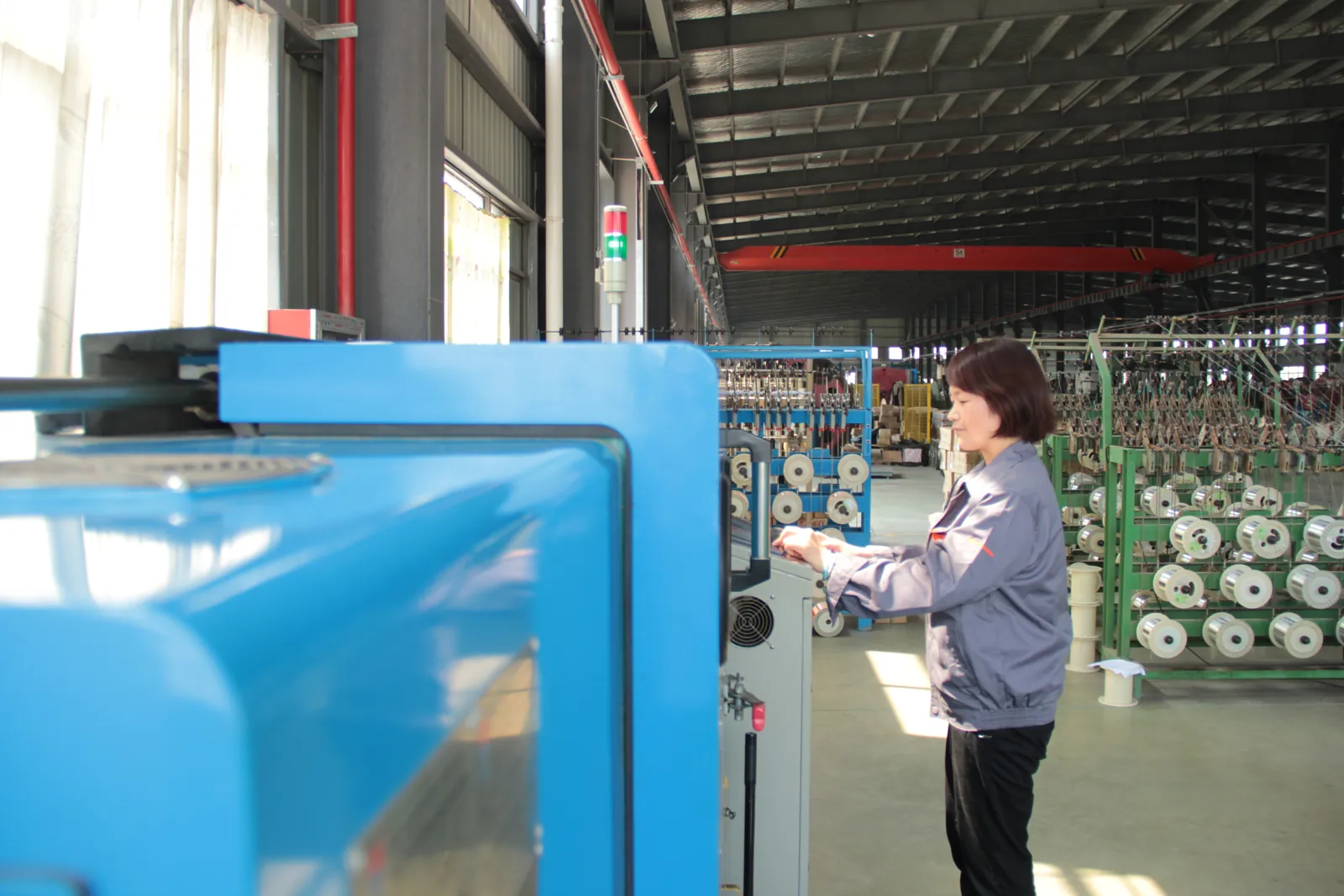
Stranding, insulation extrusion, core assembly and sheathing run under recorded process parameters.
- Class 5/6 stranding with lay length and tension monitored for trailing and reeling flexibility
- Continuous-vulcanisation extrusion with wall thickness and spark tests logged on every length
- Operators sign off each stage before the cable moves to the next machine
Electrical Testing
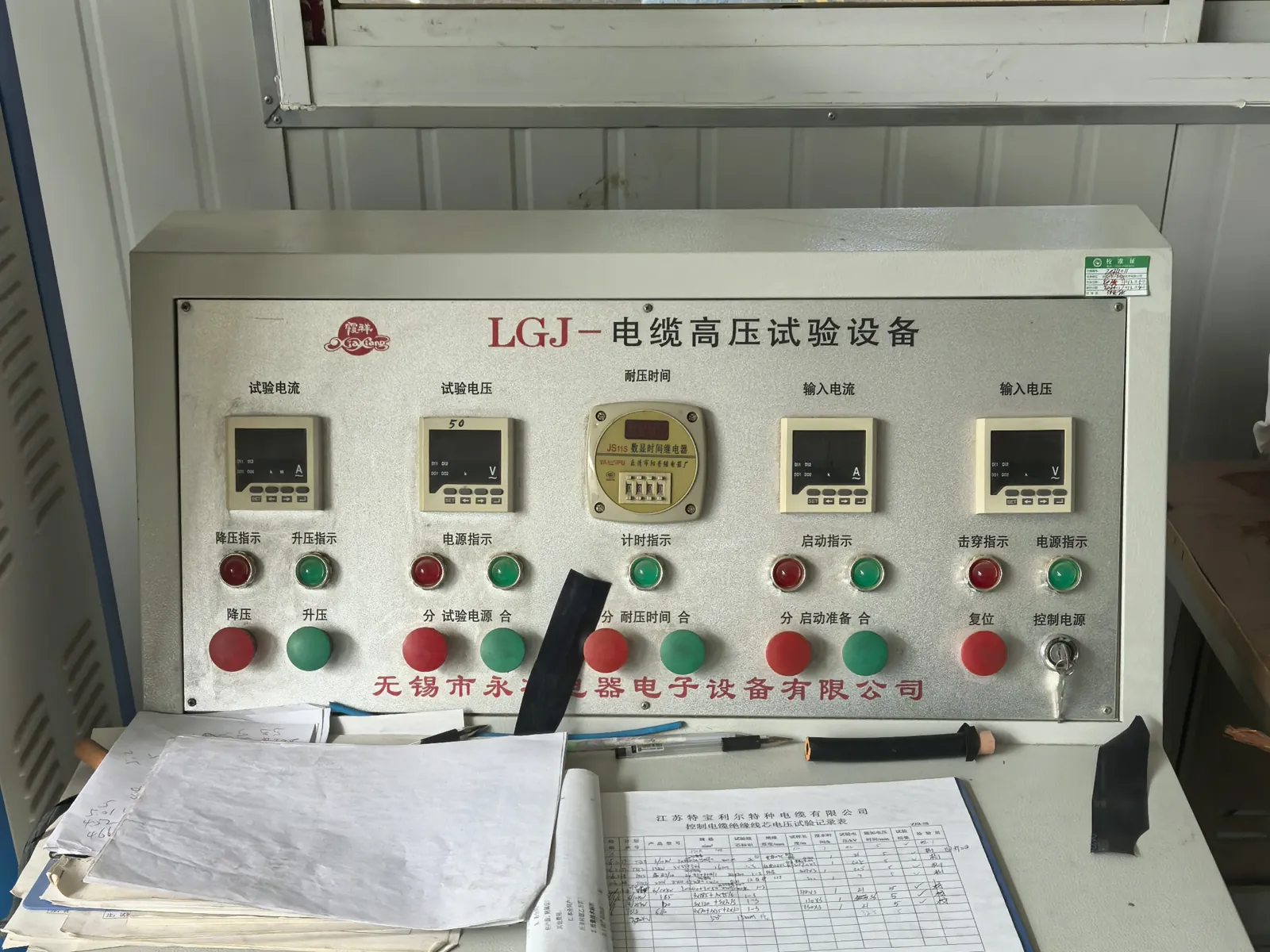
Finished lengths go through the routine tests required by the referenced VDE, ICEA, IEC or NEK standard.
- Conductor resistance and insulation resistance on every length
- Voltage withstand (3.5 kV and higher) and partial-discharge measurement in the shielded HV laboratory
- Screen and pilot-core continuity checks for mining and reeling constructions
Mechanical and Ageing Tests
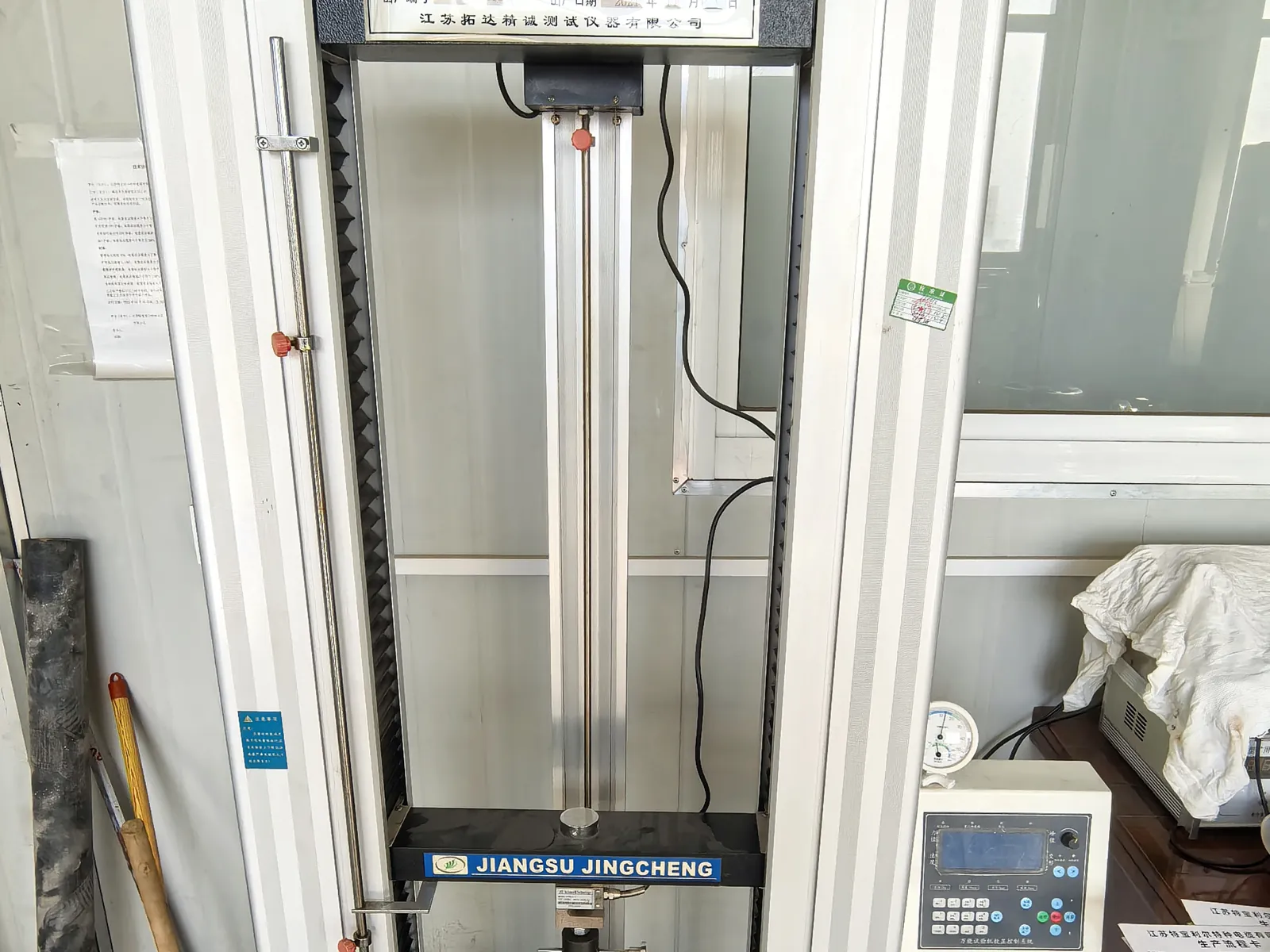
Samples from production are tested for the duty a mining, crane or submersible cable will actually see.
- Tensile strength and elongation of insulation and sheath before and after ageing
- Hot-set, ozone, oil-immersion and low-temperature bending tests
- Constant-temperature water bath for insulation resistance of submersible constructions
Flame Test and Final Inspection
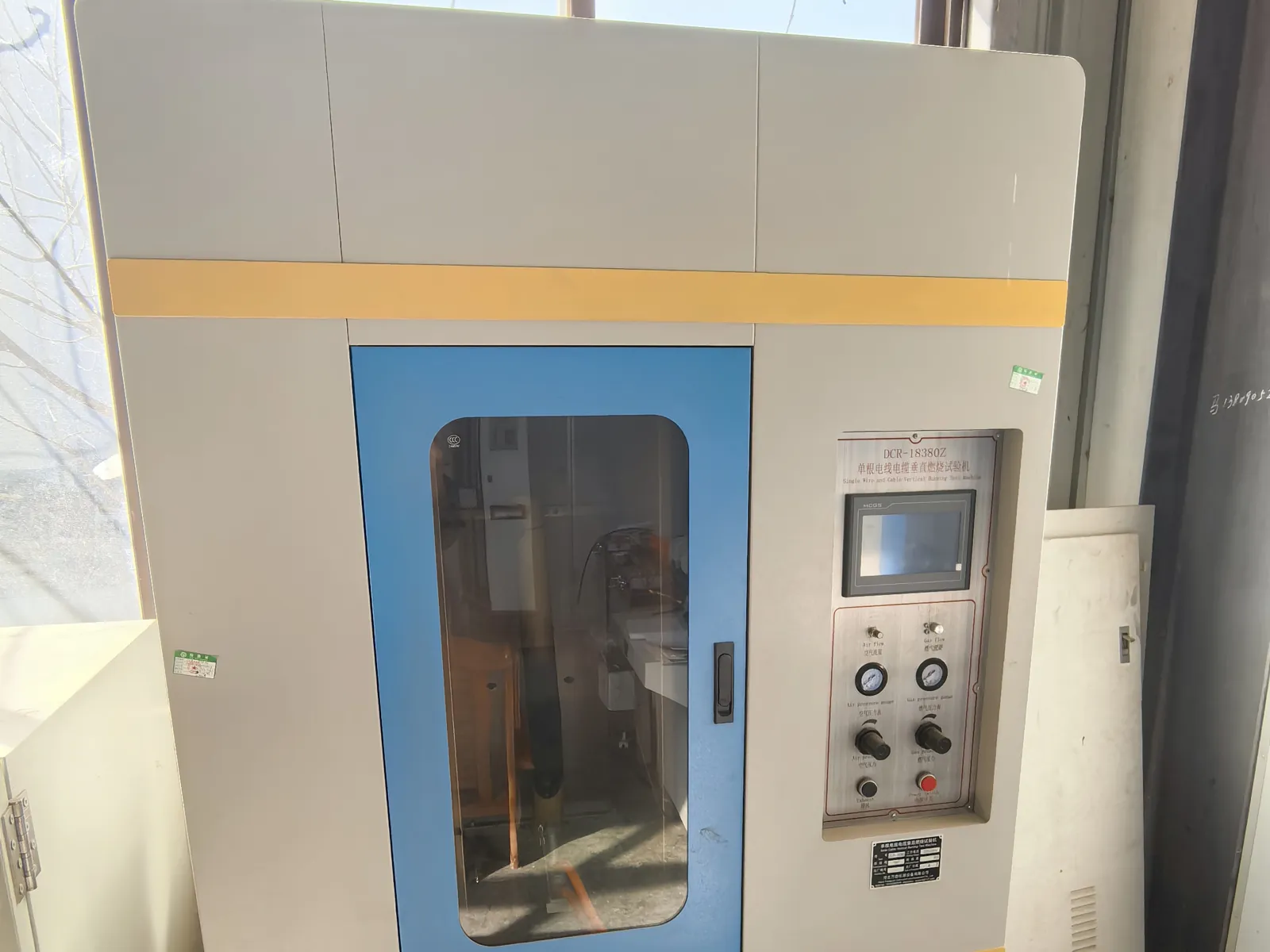
Before packing, the cable is checked against the order and the flame-performance requirement of its standard.
- Single-cable vertical flame test to IEC 60332-1-2 where specified
- Metre marking, printing, drum length and appearance inspection
- Test report and packing list issued with every shipment
Related products
-
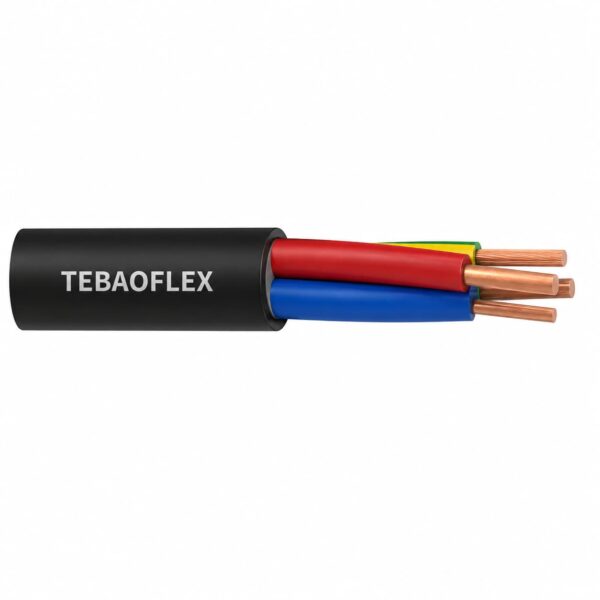
EV Charging Power + Cat6A Data SWA LSZH Cable 0.6/1kV, 3 or 5 × 6mm²
-
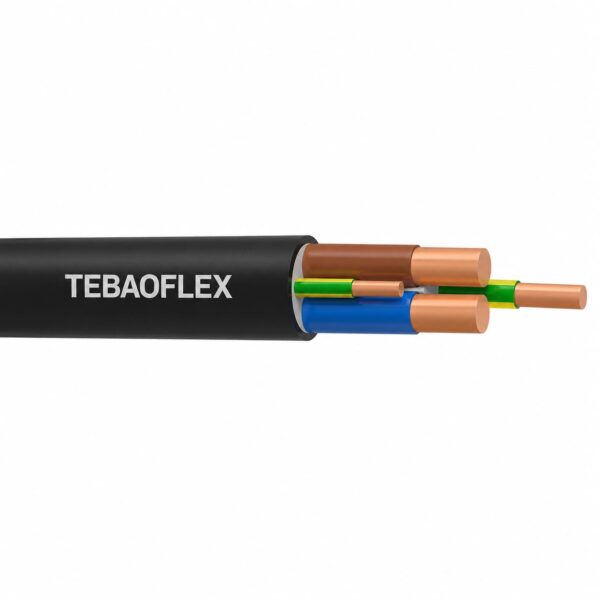
S1BZ5-F 1.5kV DC EV Charging Cable with CC/CP Control Cores, 16-95mm²
-
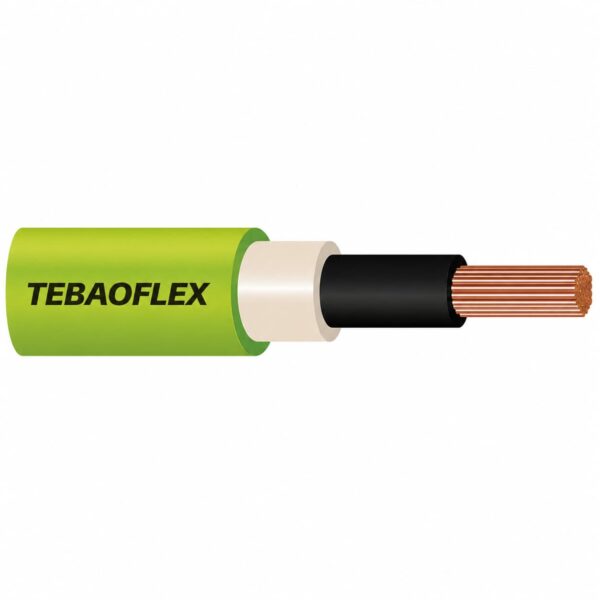
FG16(O)R16 Single-Core EV DC Charging Cable 600/1000V AC, 1800V DC
-
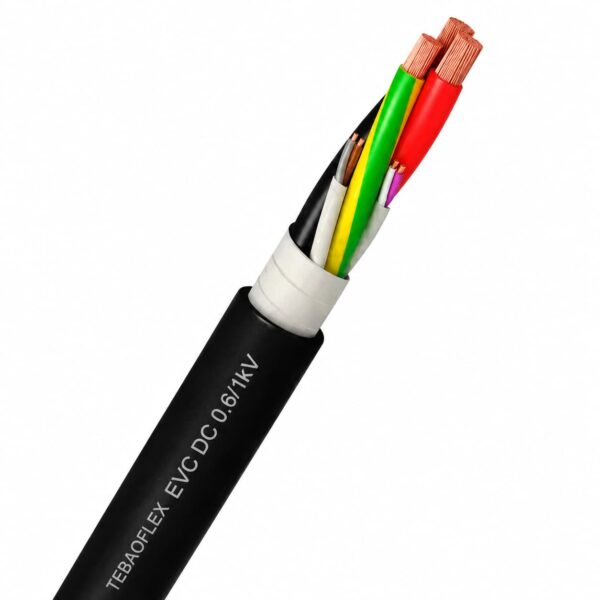
H07BZ5-F EV Charging Cable 450/750V with PUR-HF Sheath, 1.5-35mm²
-
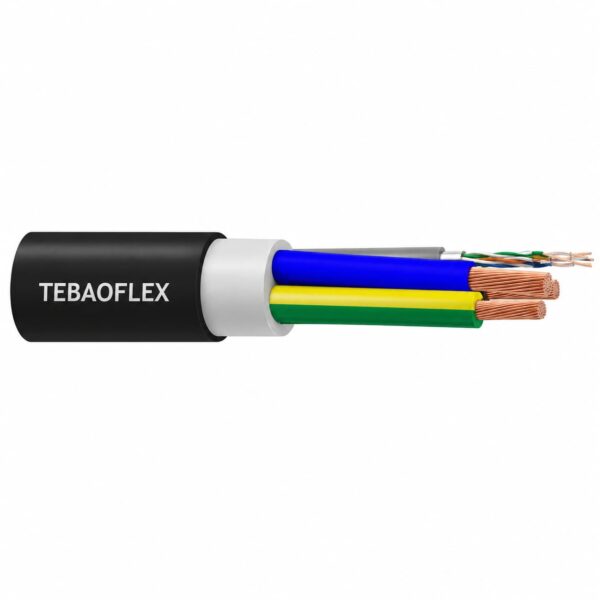
EV Charging Power + CAT5e Data Cable 0.6/1kV, 3 × 4mm² or 3 × 6mm²
-
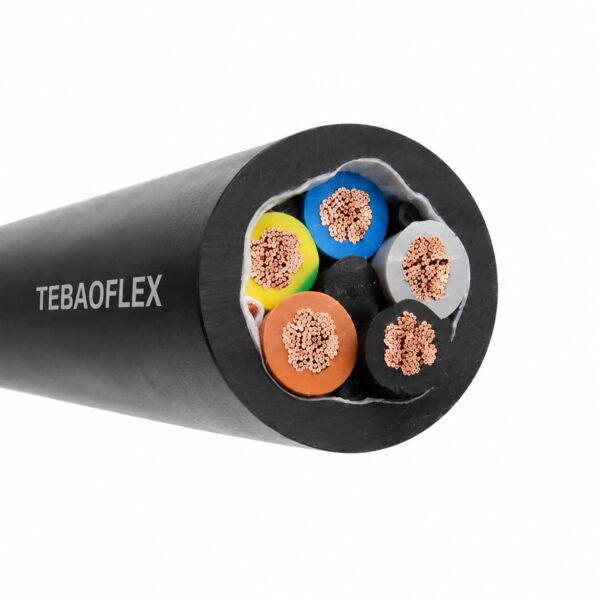
H05BZ5-F EV Charging Cable 300/500V, EN 50620, 3G1.5 and 3G2.5
-
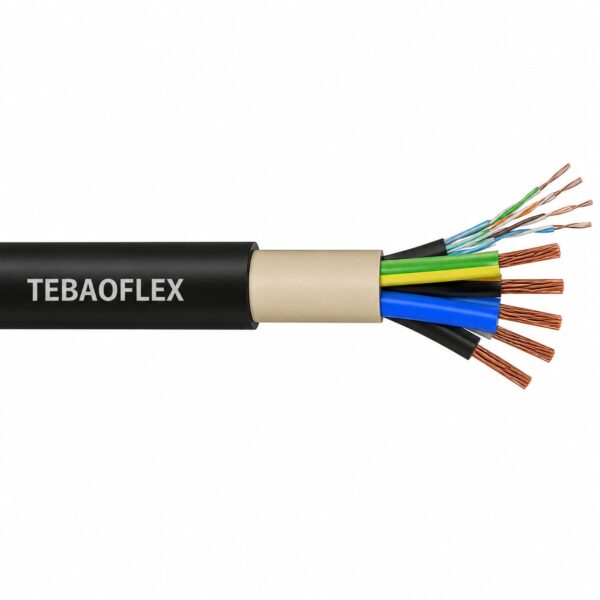
EV Charging SWA Cable with CAT5e Data, 3-Core 4mm² or 6mm², 600-1000V
Need Pricing for This Cable?
Tell us the length, cores, cross-section and delivery country and we will reply with a quotation and datasheet.