

UL Style Wire
Product Categories
Heavy-duty rubber cables for mining, port cranes, submersible pumps, EV charging, elevators and marine duty. Pick a family to filter the range.
UL Style Wire
UL style wire is single-conductor hook-up and appliance wire built to a numbered UL wire style, which sets its insulation, temperature rating and voltage. TEBAOFLEX makes PTFE, FEP, silicone rubber and XLPE styles for the internal wiring of appliances, lighting, heating equipment, motors and electronic and electrical equipment, rated from 105 °C to 250 °C at 300 V or 600 V, in sizes from 32 AWG to 8 AWG.
Header photo: Olivier Cleynen, CC BY-SA 3.0, via Wikimedia Commons, cropped.
UL Style Wire at a Glance
UL style wire is single-conductor hook-up and appliance wire built to a numbered UL wire style that sets its insulation, temperature rating and voltage.
- Insulations
- PTFE, mineral-filled PTFE, FEP, silicone rubber and XLPE
- Temperature
- 105 °C to 250 °C
- Voltage
- 300 V or 600 V
- Sizes
- 32 AWG to 8 AWG, solid or stranded
- Conductors
- Silver-, nickel- or tin-plated copper; bare copper on selected styles
- Flame tests
- VW-1, FT1 or FT2, depending on the style
Showing all 11 results
-
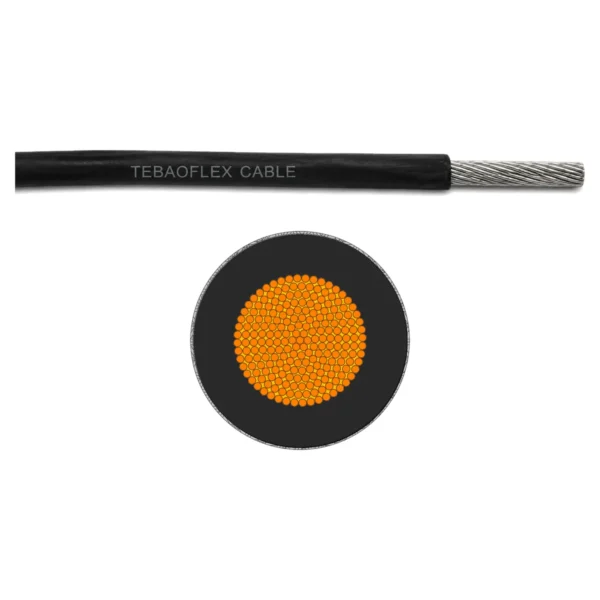
UL 1164 PTFE Wire 150°C 300V, Silver-Plated Copper
-
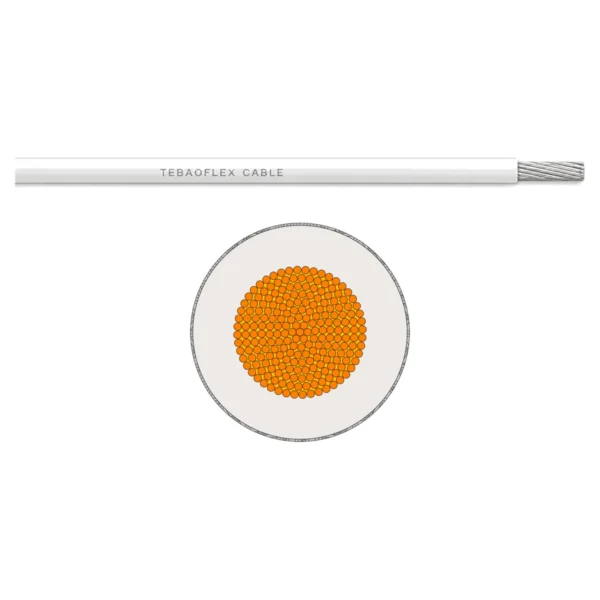
UL 1198 PTFE Wire 150°C 600V, Silver-Plated Copper
-
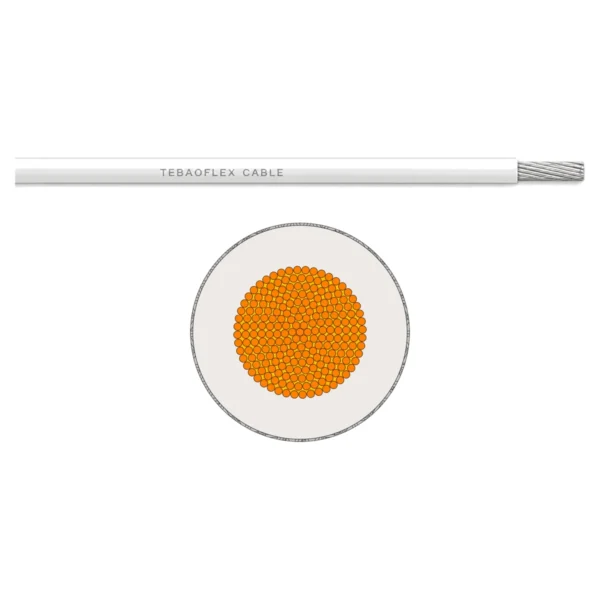
UL 1199 PTFE Wire 200°C 600V, Silver-Plated Copper
-
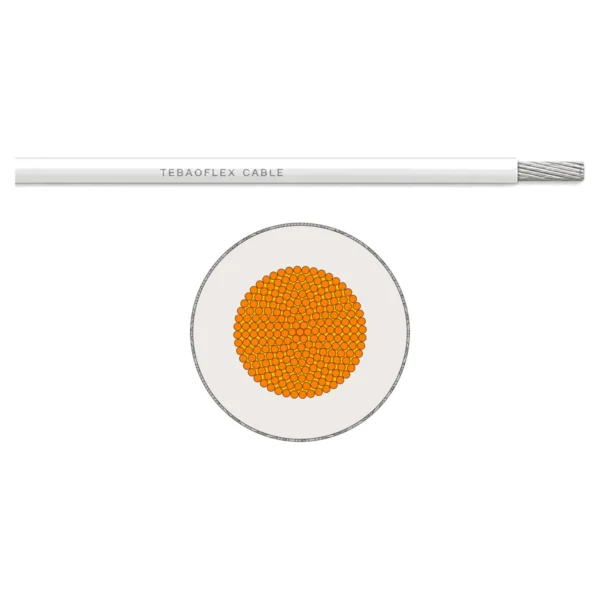
UL 1213 PTFE Hook-Up Wire 105°C 600V, Silver-Plated Copper
-
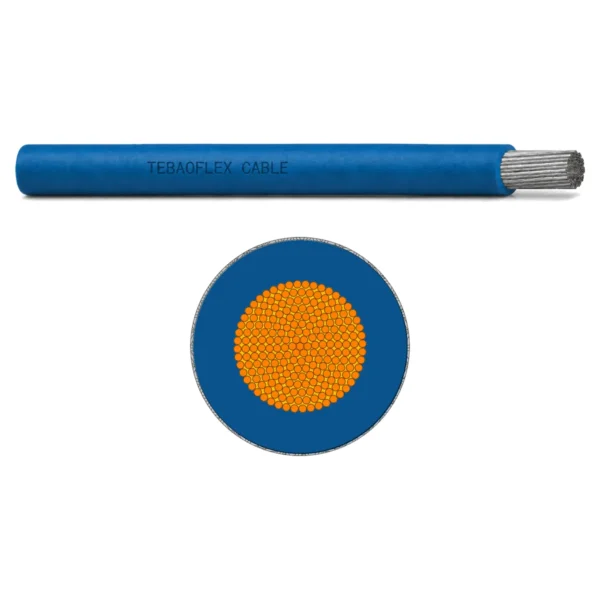
UL 1333 FEP Wire 150°C 300V, Stranded or Solid Tinned Copper
-
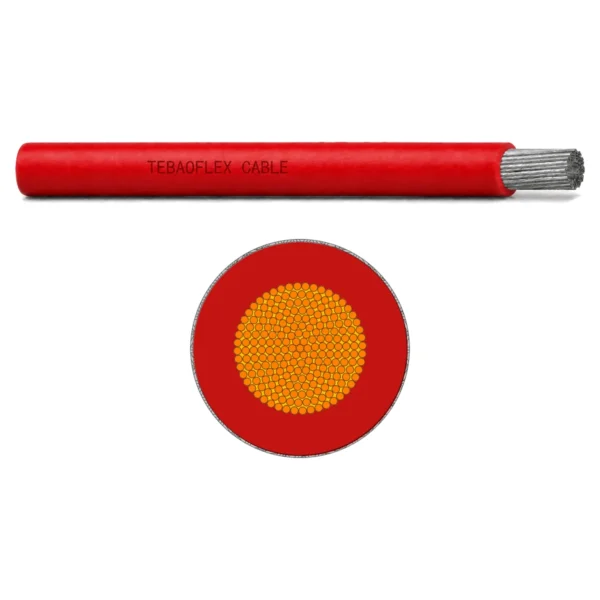
UL 1570 Mineral-Filled PTFE Wire 250°C 600V, Nickel-Plated Copper
-
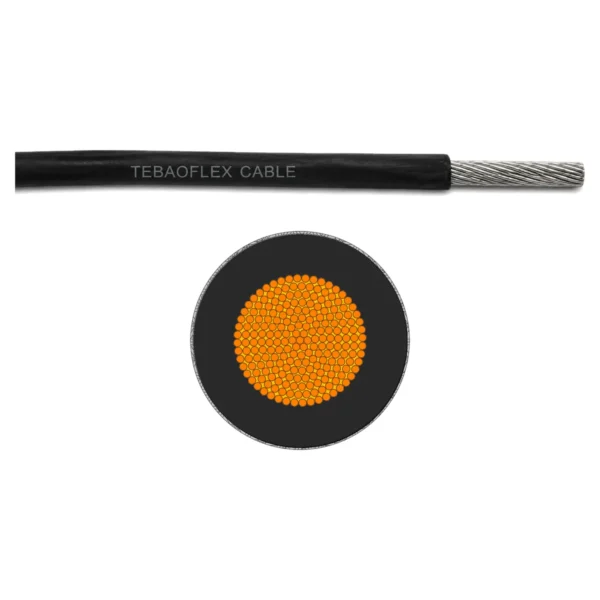
UL 1659 PTFE Lead Wire 250°C 600V, Nickel-Plated Copper
-
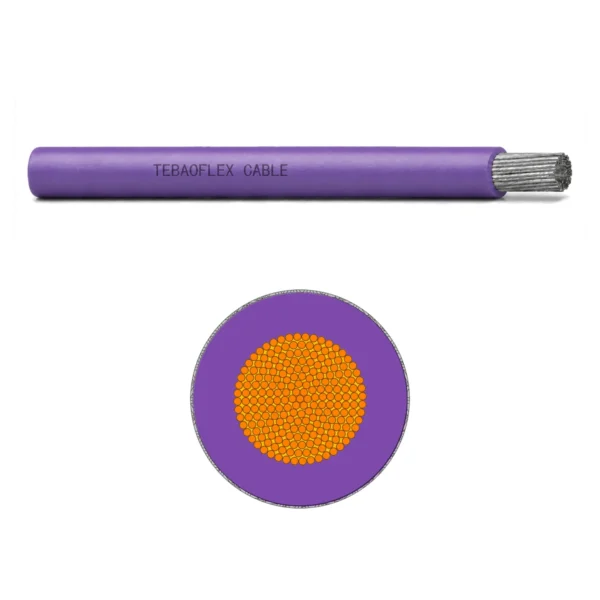
UL 1815 PTFE Wire 250°C 300V, Silver- or Nickel-Plated Copper
-
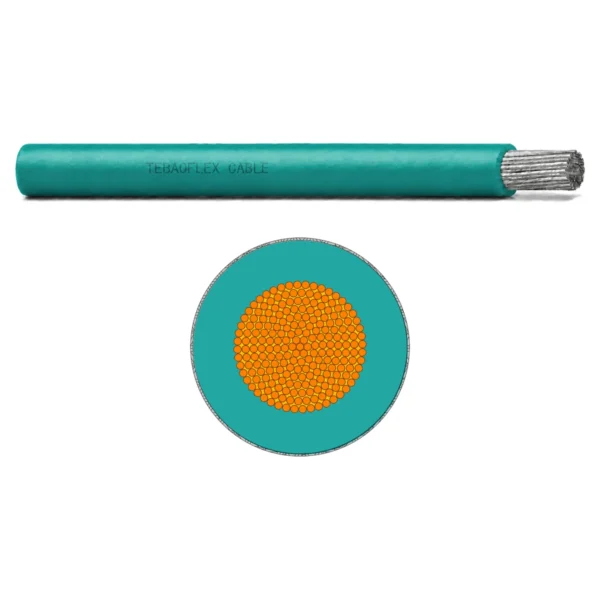
UL 3132 Silicone Rubber Wire 150°C 300V, Tinned or Bare Copper
-
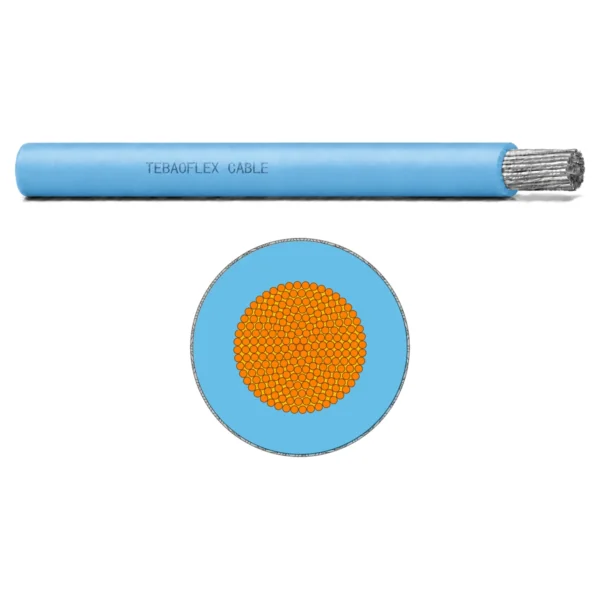
UL 3173 XLPE Wire 125°C 600V, Low-Smoke Non-Halogen
-
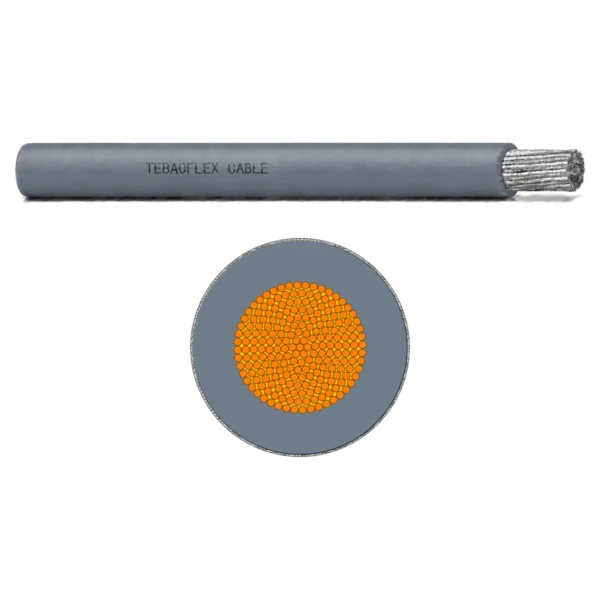
UL 3266 XLPE Wire 125°C 300V, Low-Smoke Non-Halogen, 10–30 AWG
UL style hook-up and appliance wires from TEBAOFLEX: PTFE, FEP, silicone rubber and XLPE or XLPO insulated single-conductor wires for the internal wiring of appliances, lighting and electronic equipment, rated from 80 °C to 250 °C and from 150 V to 1000 V.
Send the UL style, AWG size, colour, put-up length and quantity. Our engineers confirm the construction on the datasheet issued with your quotation.
Product Advantages
What sets TEBAOFLEX UL Style Wire apart in service.
Five Insulation Families
PTFE, mineral-filled PTFE, FEP, silicone rubber and XLPE styles, so each circuit gets the insulation its heat and environment need.
105 °C to 250 °C
From the 105 °C UL 1213 and the 125 °C XLPE styles to the 250 °C PTFE styles UL 1570, UL 1659 and UL 1815.
Plated Copper Conductors
Silver-plated, nickel-plated or tinned copper, matched to the temperature rating of each style.
300 V and 600 V Styles
300 V styles for compact appliance and electronic wiring, 600 V styles where the circuit voltage is higher.
Low-Smoke Non-Halogen XLPE
UL 3173 and UL 3266 use low-smoke, non-halogen XLPE insulation rated 125 °C.
32 AWG to 8 AWG
Fine solid and stranded leads up to 8 AWG, with solid options on UL 1213, UL 1333 and UL 3266.
UL Styles at a Glance
Eleven styles by insulation, rating, conductor and size; each product page lists the full size table.
| UL style | Insulation | Temperature | Voltage | Conductor | Sizes |
|---|---|---|---|---|---|
| UL 1213 | PTFE | 105 °C | 600 V | Silver-plated copper, solid or stranded | 32–10 AWG |
| UL 1164 | PTFE | 150 °C | 300 V | Silver-plated copper | 32–10 AWG |
| UL 1198 | PTFE | 150 °C | 600 V | Silver-plated copper, stranded | 28–8 AWG |
| UL 1199 | PTFE | 200 °C | 600 V | Silver-plated copper, stranded | 28–8 AWG |
| UL 1570 | Mineral-filled PTFE | 250 °C | 600 V | Nickel-plated copper | 24–8 AWG |
| UL 1659 | PTFE | 250 °C | 600 V | Nickel-plated copper | 24–10 AWG |
| UL 1815 | PTFE | 250 °C | 300 V | Silver- or nickel-plated copper | 30–10 AWG |
| UL 1333 | FEP | 150 °C | 300 V | Tinned copper, stranded or solid | 30–10 AWG |
| UL 3132 | Silicone rubber | 150 °C | 300 V | Tinned or bare copper | 30–16 AWG |
| UL 3173 | XLPE, low smoke, non-halogen | 125 °C | 600 V | Tinned or bare copper | 26–10 AWG |
| UL 3266 | XLPE, low smoke, non-halogen | 125 °C | 300 V | Tinned, bare or top-coated copper | 30–10 AWG |
Application Scenarios
Where UL Style Wire from TEBAOFLEX is installed.
Heating and Heat-Treatment Equipment
Mineral-filled PTFE UL 1570 at 250 °C replaces asbestos and glass-braided leads in hot equipment.
02Motors and Generators
PTFE lead wire such as UL 1199 carries connections through hot windings and housings.
03Totally Enclosed Appliances
Silicone rubber UL 3132 at 150 °C and 300 V for the internal wiring of enclosed appliances.
04Lamps and Lighting
FEP UL 1333 at 150 °C and 300 V for home appliances, lamps, motors and sensors.
05Electronic and Electrical Equipment
UL 1198, UL 1199 and UL 1213 PTFE wire for the internal wiring of electronic and electrical equipment.
06Low-Smoke Internal Wiring
XLPE UL 3173 and UL 3266 where low smoke and non-halogen insulation are required.
How to Choose UL Style Wire
Four decisions specify the right cable the first time; send them with your RFQ and our engineers confirm the type designation.
Temperature Rating
105 °C, 125 °C, 150 °C, 200 °C or 250 °C: choose the style rated for the hottest point the wire reaches.
Voltage
300 V styles for compact low-voltage wiring, 600 V styles where the circuit voltage is higher.
Insulation
PTFE or FEP for heat and chemicals, silicone rubber for enclosed appliances, XLPE for low-smoke, non-halogen wiring.
Size and Conductor
AWG size, solid or stranded, and the plating: silver, nickel, tin or bare copper.
Standards & Certifications
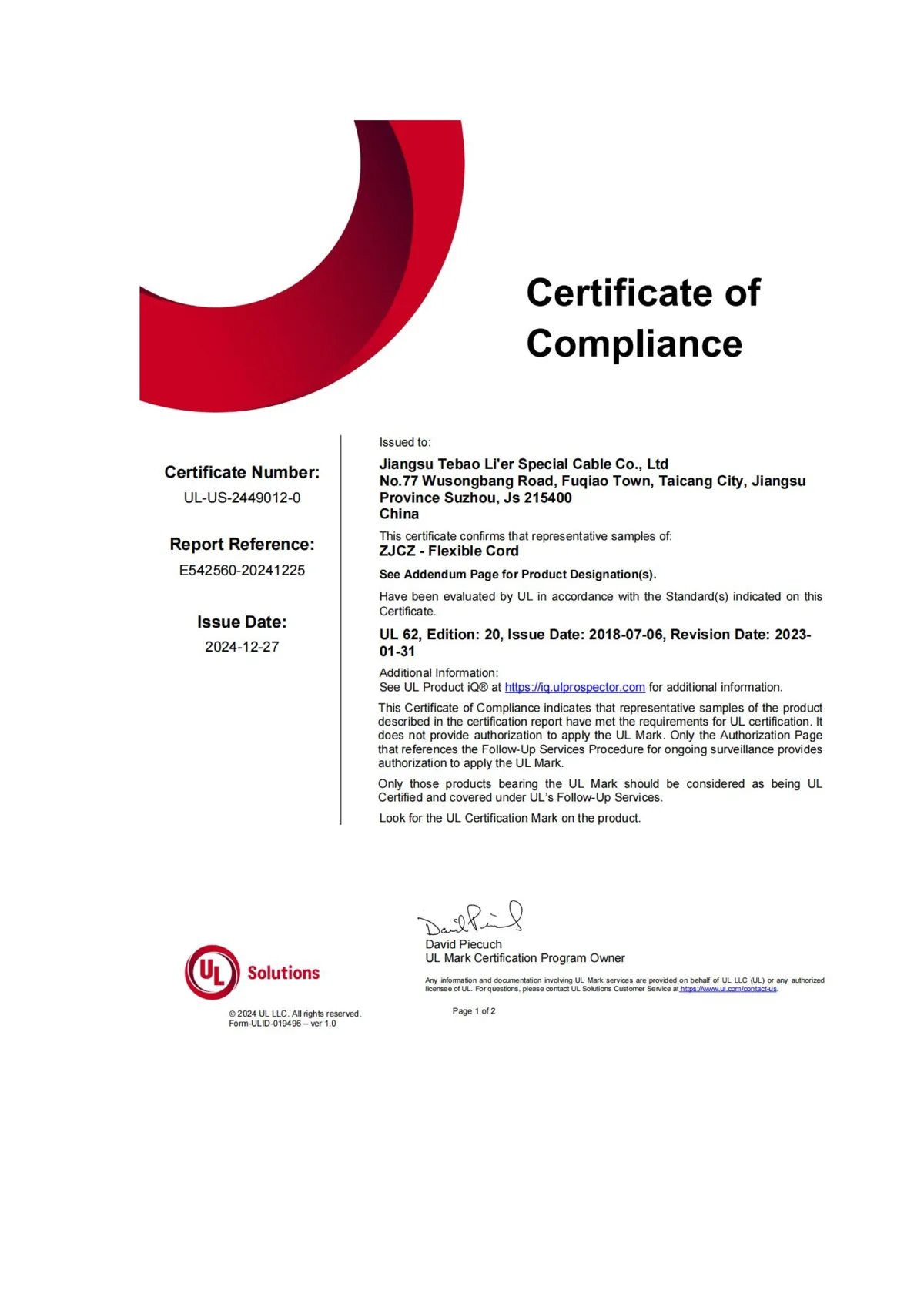
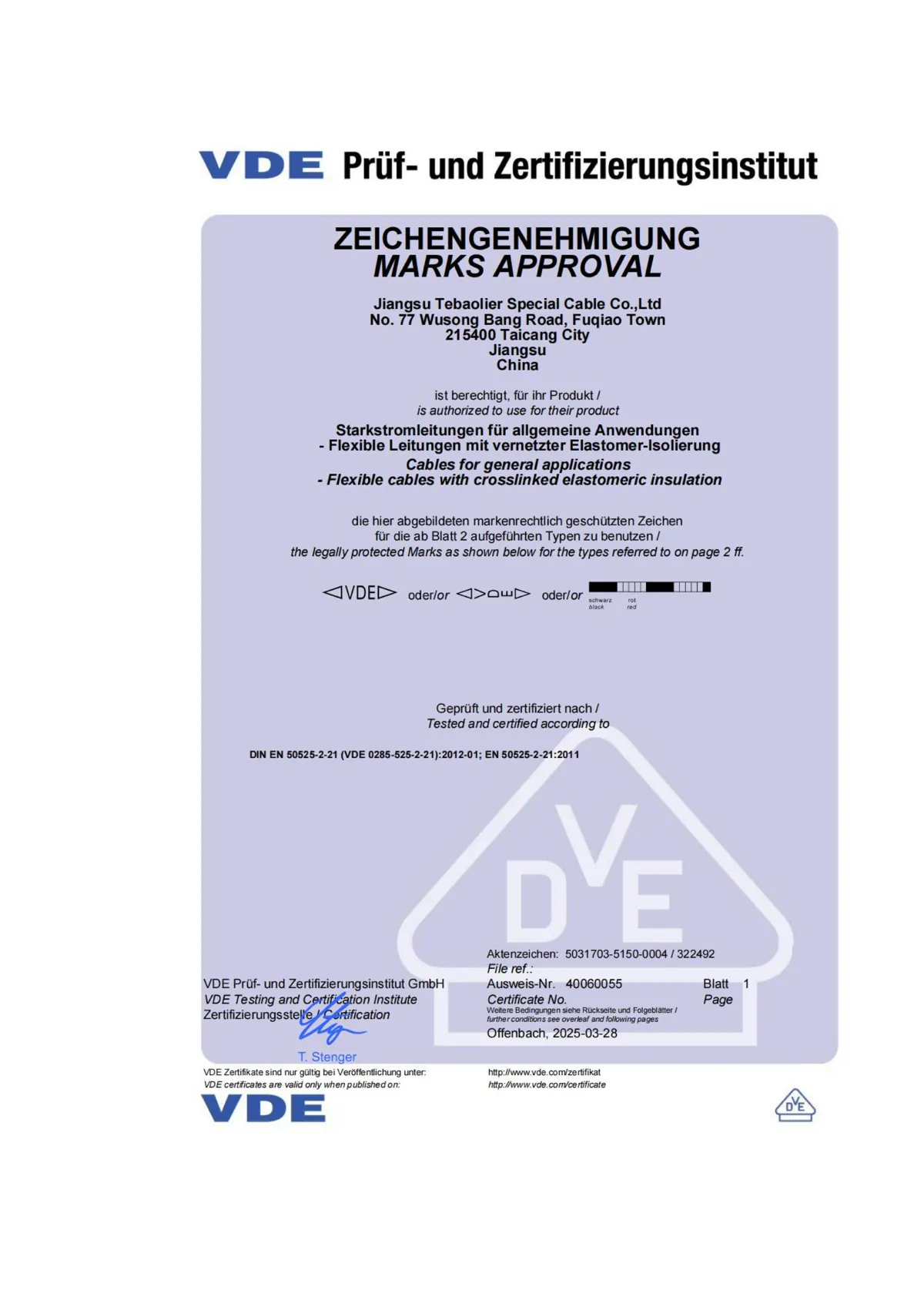
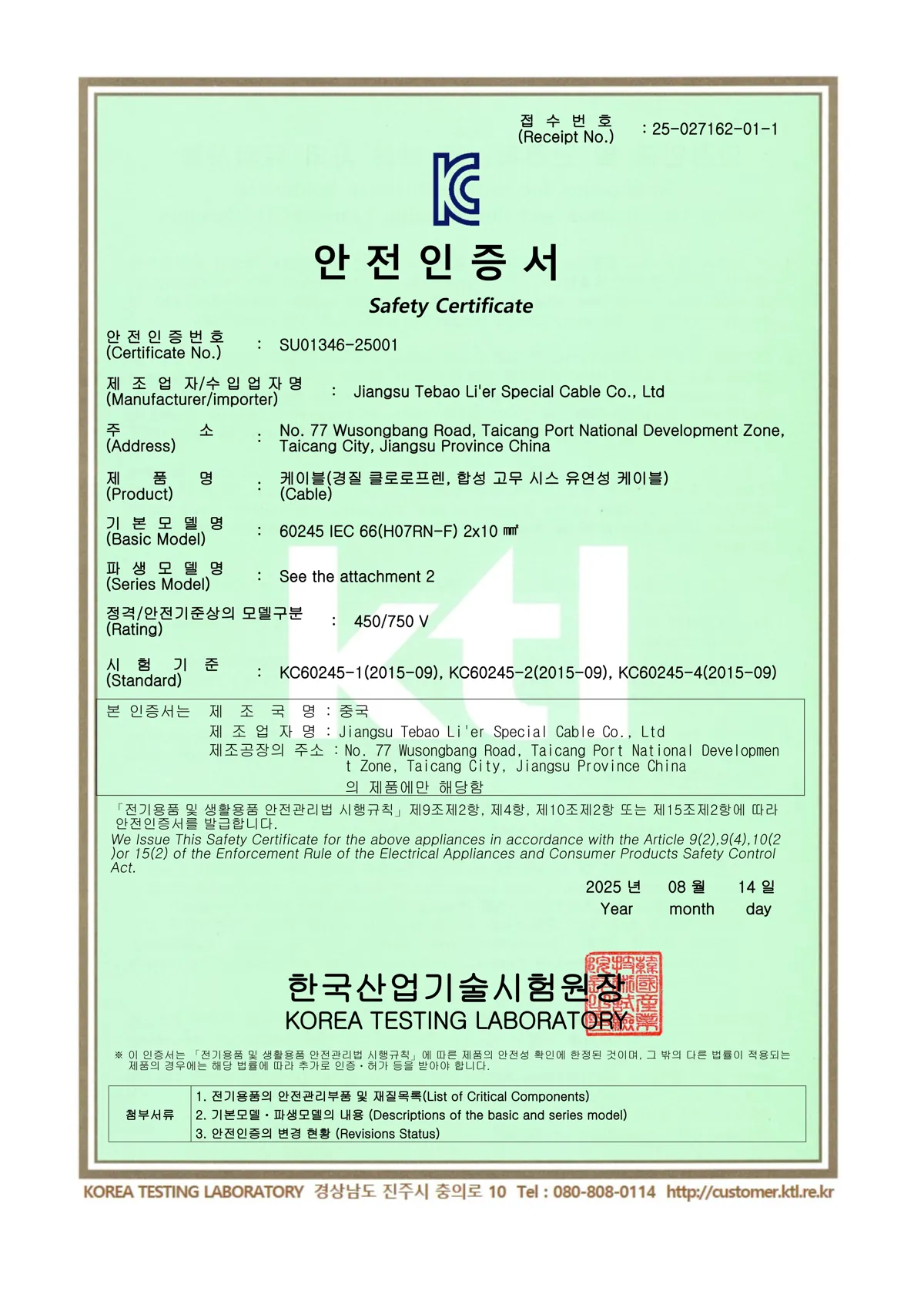
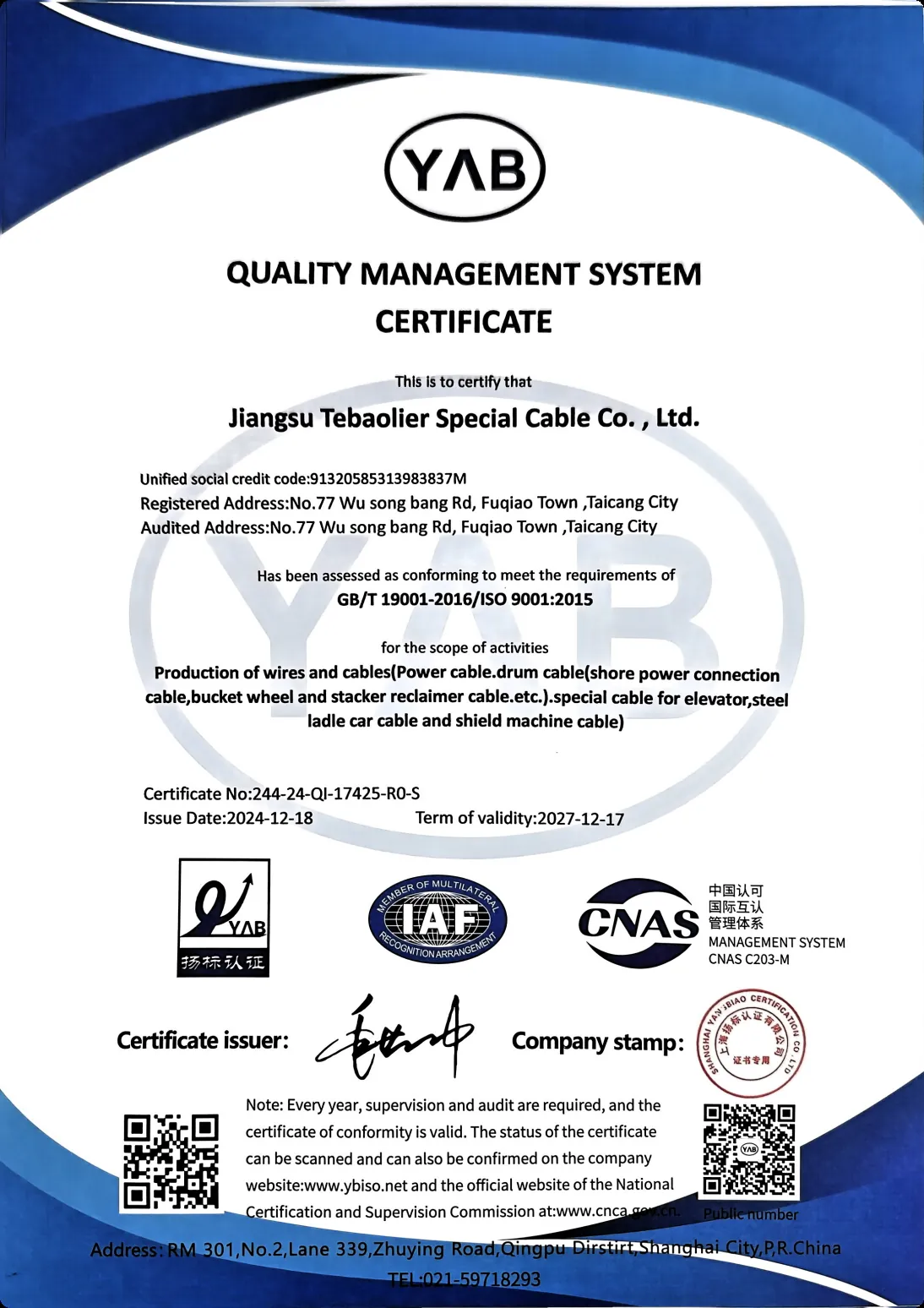
ISO 9001 quality management for cable production; ISO 14001 and ISO 45001 for sales and related management. UL and cUL (flexible cord), VDE (EN 50525-2-21), Korea KC, China MA and US MSHA approvals cover the certified types; CE is a third-party verification of conformity (VoC).
Manufacturing Process
From compound to shipment, the production steps and routine tests behind each cable length.
- 1
Compound preparation
EPR, CPE, PUR and silicone compounds are mixed and tested for hardness, tensile strength and elongation before use.
- 2
Conductor stranding
Tinned or bare copper is bunched and rope-stranded to Class 5/6 flexibility for trailing and reeling duty.
- 3
Insulation extrusion
Cores are extruded and continuously vulcanised; wall thickness and spark tests are recorded on every length.
- 4
Core assembly and screening
Cores, earth conductors, pilot and fibre-optic elements are laid up with the fillers and screens the type designation requires.
- 5
Inner and outer sheathing
Reinforced double-sheath constructions are extruded and cured for abrasion, oil and tear resistance.
- 6
Routine electrical tests
Conductor resistance, voltage withstand and insulation resistance tests at the levels set by the referenced standard.
- 7
Mechanical and ageing tests
Bending, tensile, hot-set, ozone and flame tests according to the referenced standard.
- 8
Marking, packing and shipment
Metre marking, drum packing and documentation for worldwide project delivery.
Construction, Layer by Layer
How the UL styles are built, from the conductor outward.
- 1
Conductor
Copper, solid or stranded: silver-plated on most PTFE styles, nickel-plated on UL 1570 and UL 1659, tinned on UL 1333, and tinned or bare on UL 3132, UL 3173 and UL 3266.
- 2
Insulation
PTFE on UL 1164, UL 1198, UL 1199, UL 1213, UL 1659 and UL 1815; mineral-filled PTFE on UL 1570; FEP on UL 1333; silicone rubber on UL 3132; XLPE on UL 3173 and UL 3266.
- 3
Wall
Thin walls keep the wire compact, for example 0.33 mm on UL 1164 and UL 1333 and 0.5 mm on UL 1659.
- 4
Identification
Surface printing and a choice of colours, such as 10 standard colours on UL 1164 and UL 1570 and the SAE colour series on UL 1815.
- 5
Flame tests
VW-1 on UL 1198, UL 1199, UL 1815, UL 3173 and UL 3266; FT1 on UL 1198, UL 1199 and UL 1659; FT2 on UL 3132, UL 3173 and UL 3266.
- 6
Assembly
Single conductors as standard; UL 3173 and UL 3266 can also be supplied as twisted pairs or multi-core assemblies.
Cable Manufacturing Quality Control
Five-stage quality assurance from incoming copper to the packed drum.
- 01
Raw Material Inspection
Every batch of copper rod, rubber compound and reinforcing material is checked before it reaches the line.
- Copper: conductor resistance, elongation and surface condition on incoming rod and drawn wire
- EPR, CPE, PUR and silicone compounds: hardness, tensile strength, elongation and ageing samples from each mix
- 02
Manufacturing Process Control
Stranding, insulation extrusion, core assembly and sheathing run under recorded process parameters.
- Class 5/6 stranding with lay length and tension monitored for trailing and reeling flexibility
- Continuous-vulcanisation extrusion with wall thickness and spark tests logged on every length
- Operators sign off each stage before the cable moves to the next machine
- 03
Electrical Testing
Finished lengths go through the routine tests required by the referenced VDE, ICEA, IEC or NEK standard.
- Conductor resistance and insulation resistance on every length
- Voltage withstand test at the level set by the referenced standard
- Screen and pilot-core continuity checks for mining and reeling constructions
- 04
Mechanical and Ageing Tests
Samples from production are tested for the duty a mining, crane or submersible cable will actually see.
- Tensile strength and elongation of insulation and sheath before and after ageing
- Hot-set, ozone, oil-immersion and low-temperature bending tests
- Constant-temperature water bath for insulation resistance of submersible constructions
- 05
Flame Test and Final Inspection
Before packing, the cable is checked against the order and the flame-performance requirement of its standard.
- Single-cable vertical flame test to IEC 60332-1-2 where specified
- Metre marking, printing, drum length and appearance inspection
- Packing list with every shipment; test documents for the order confirmed at quotation
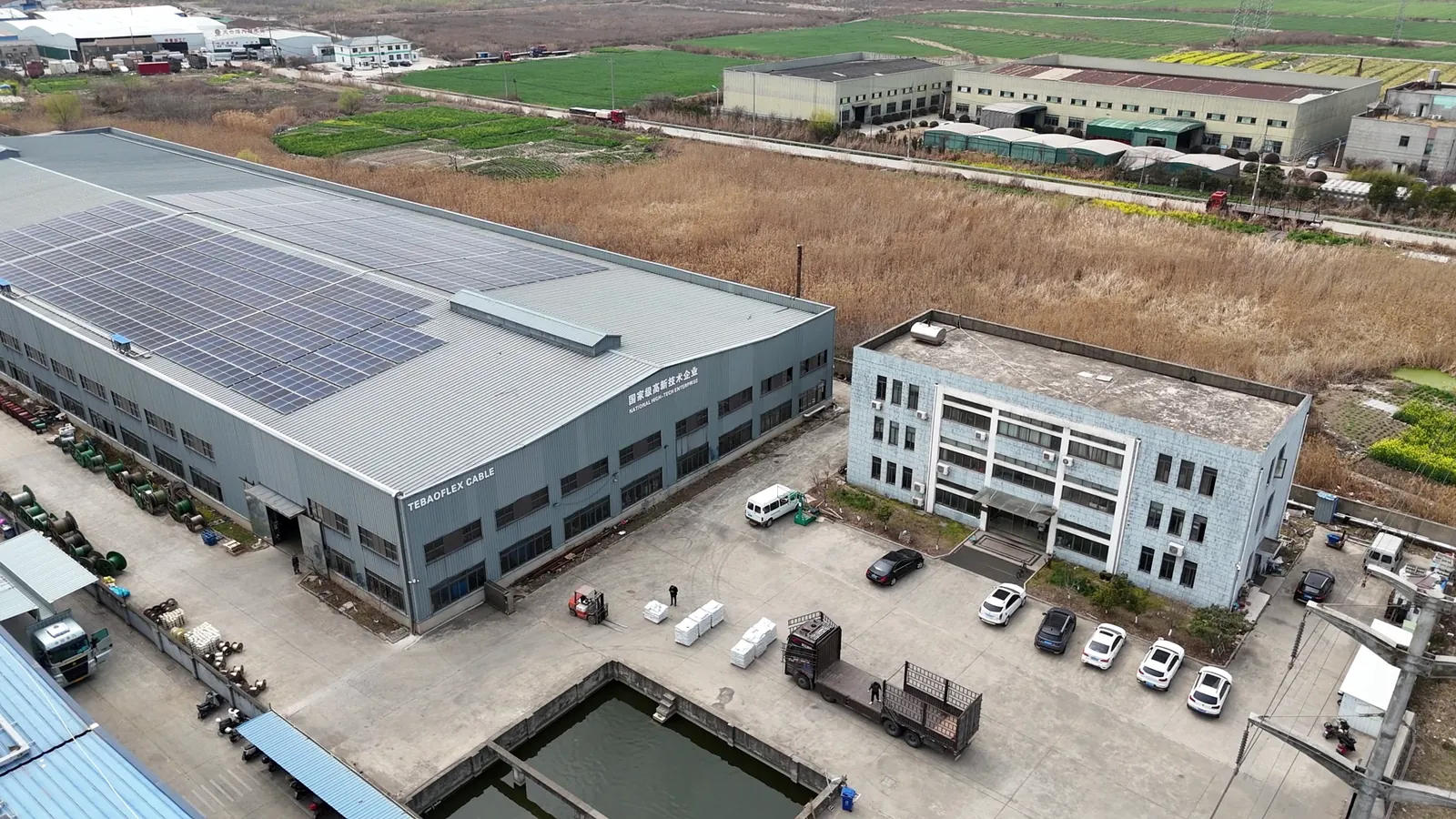
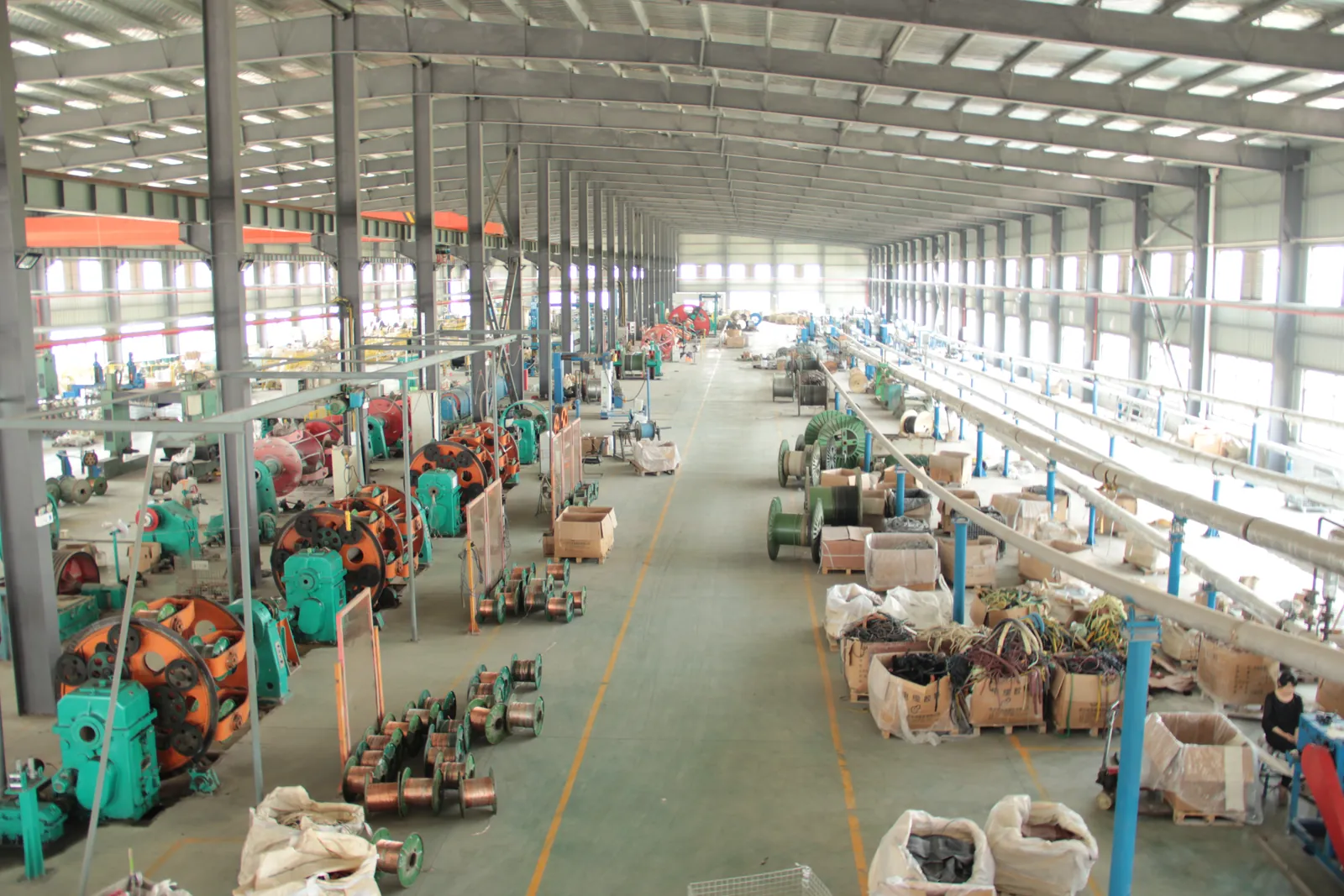
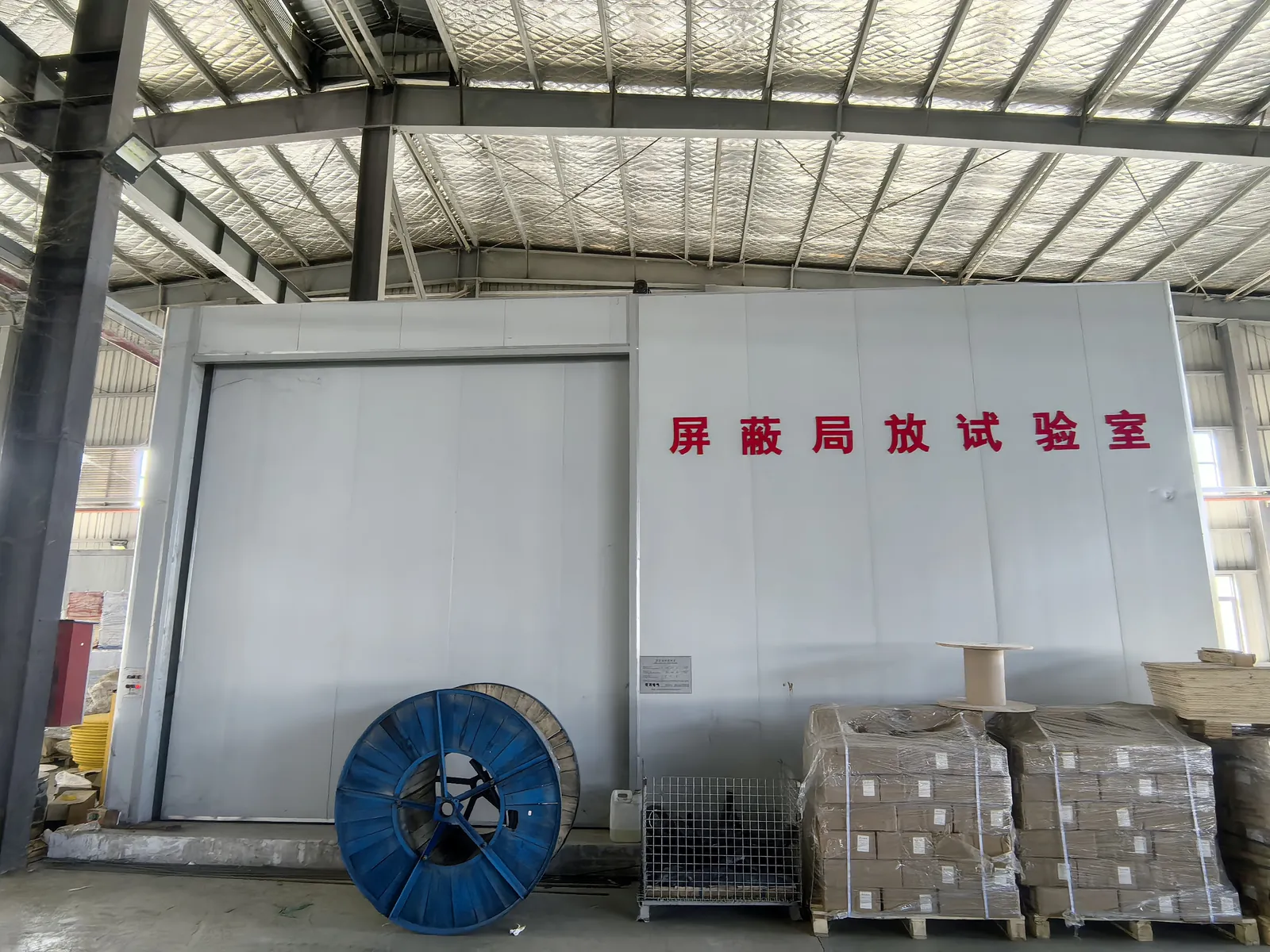
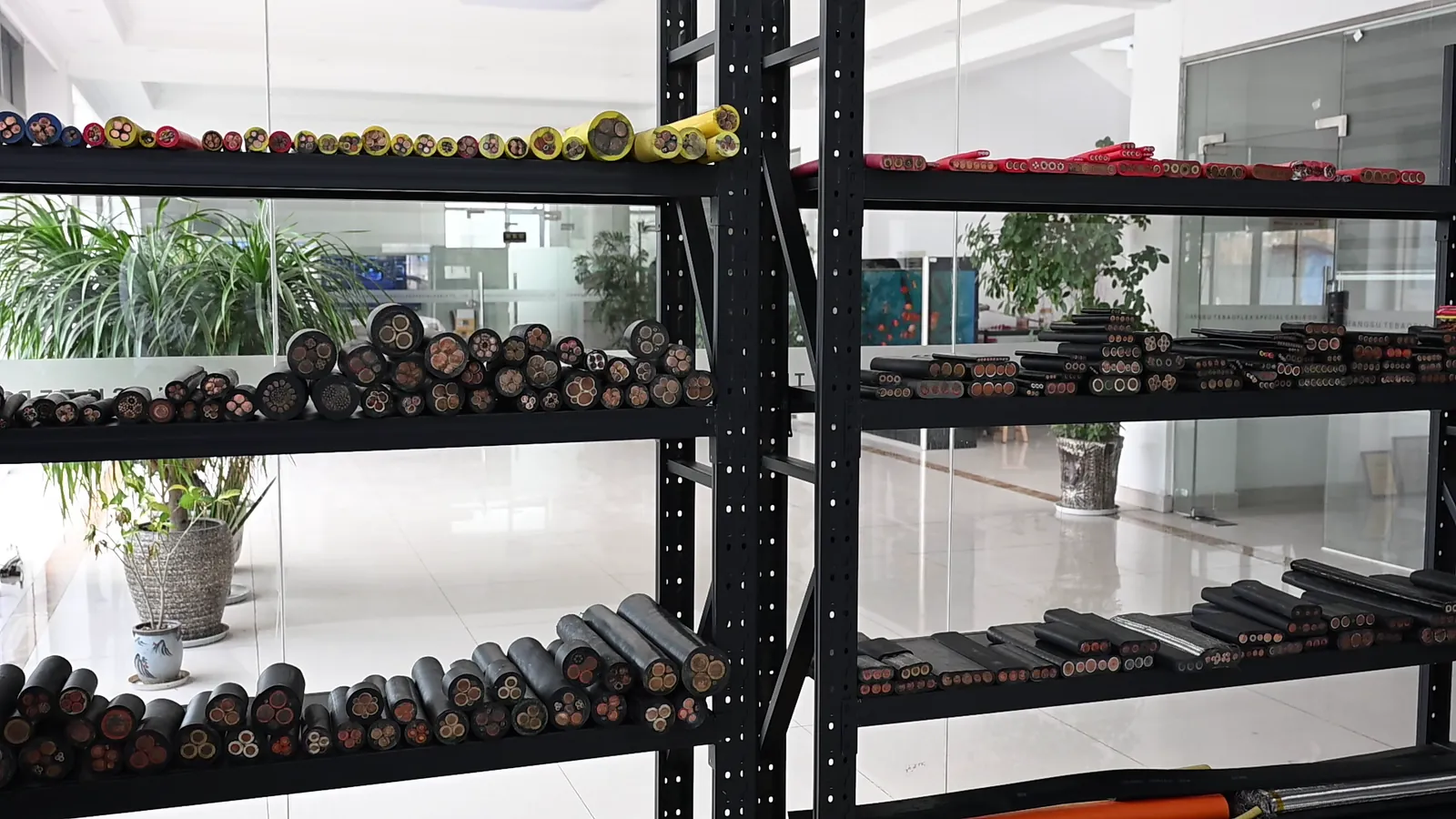
Factory & Workshop Gallery
TEBAOFLEX CABLE, No.77 Wusongbang Road, Taicang, Suzhou.
Related Articles
Selection guides from the TEBAOFLEX engineering team.
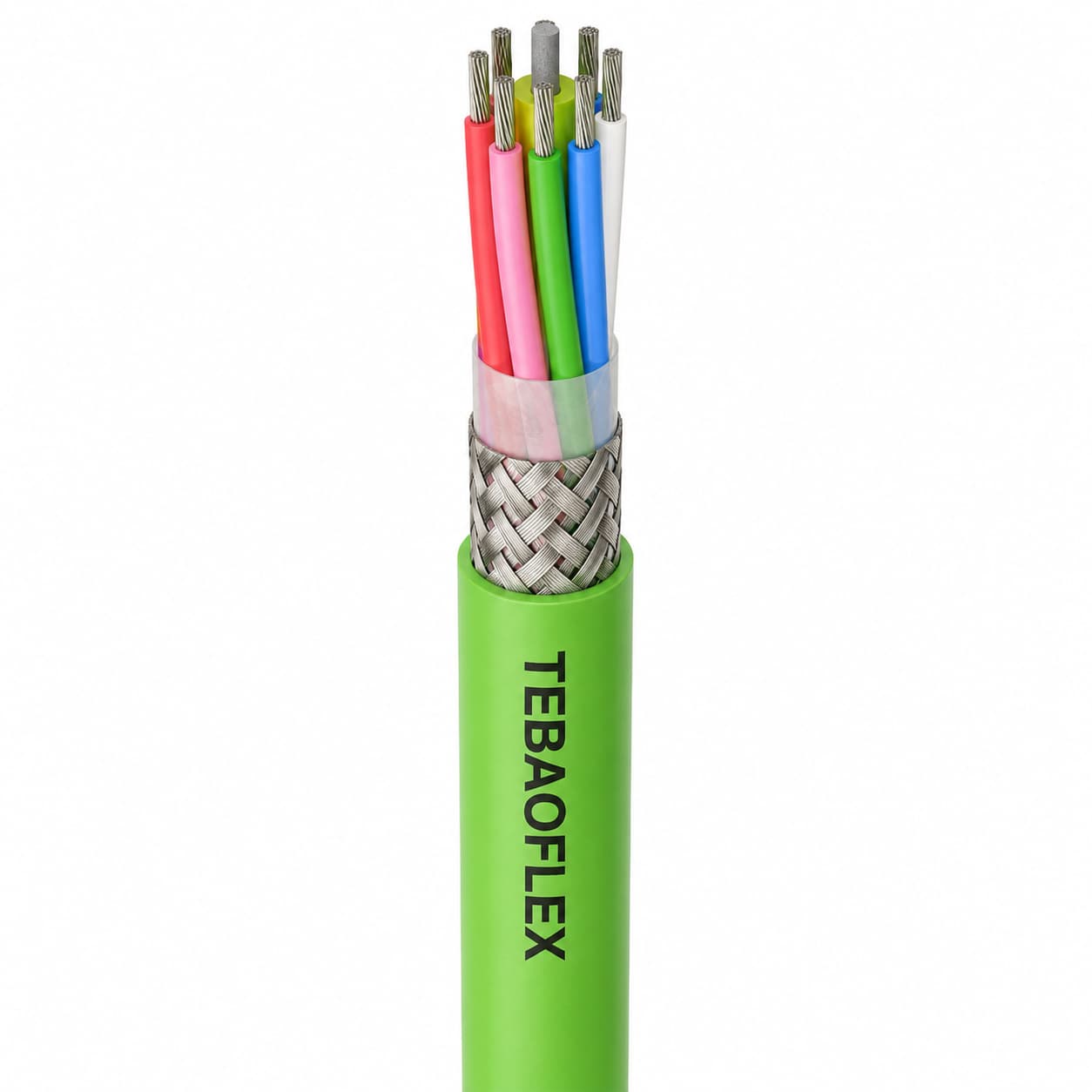
What Is a High-Temperature Wire? Definition, Materials and Selection
What high-temperature wire is, common ratings and materials, and how to choose wire for voltage, current, heat and movement.
Read more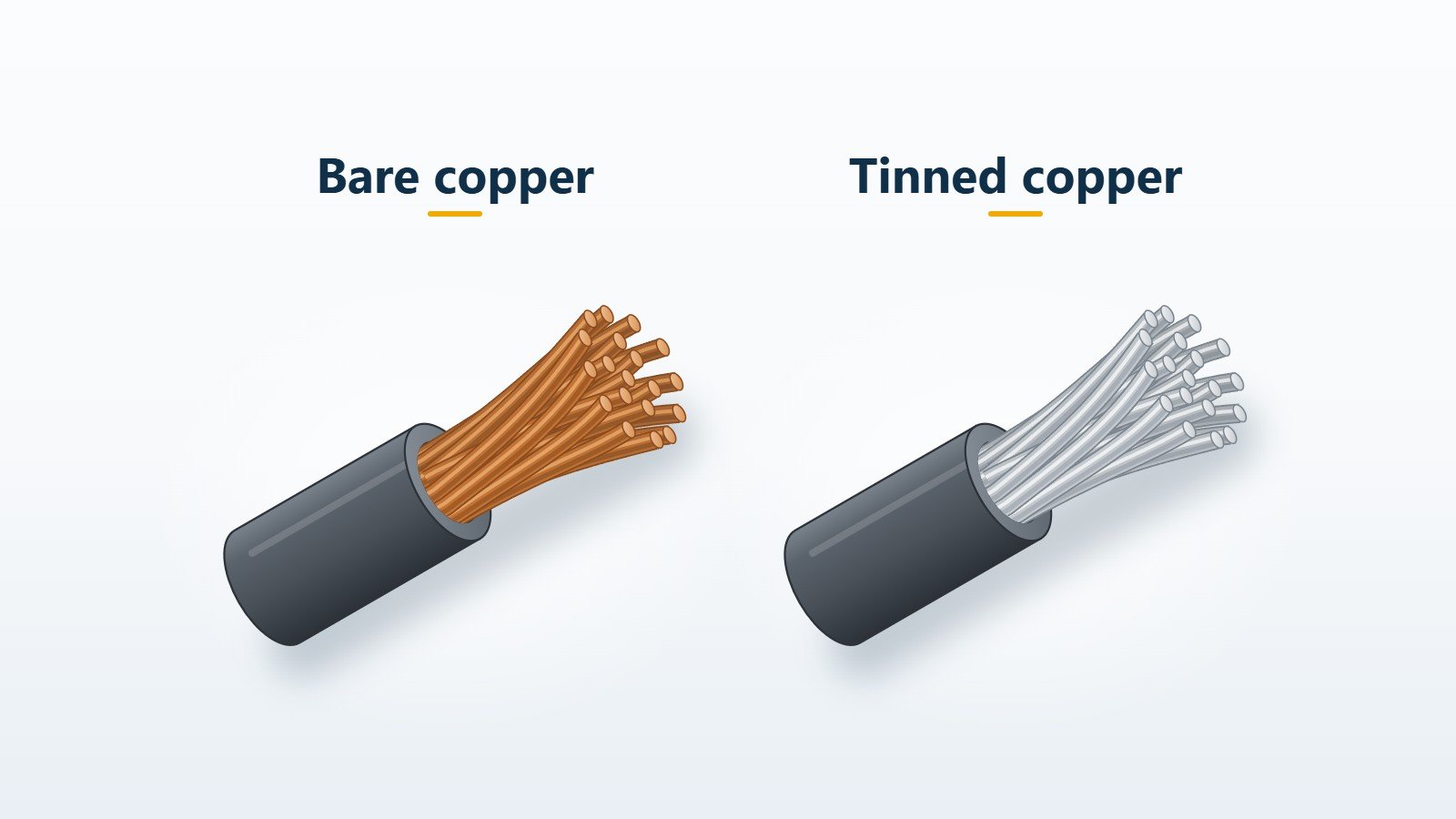
Tinned Copper Wire vs Bare Copper: Which to Use
What tinning does, when to specify it, solid vs stranded, and how to choose a copper conductor.
Read more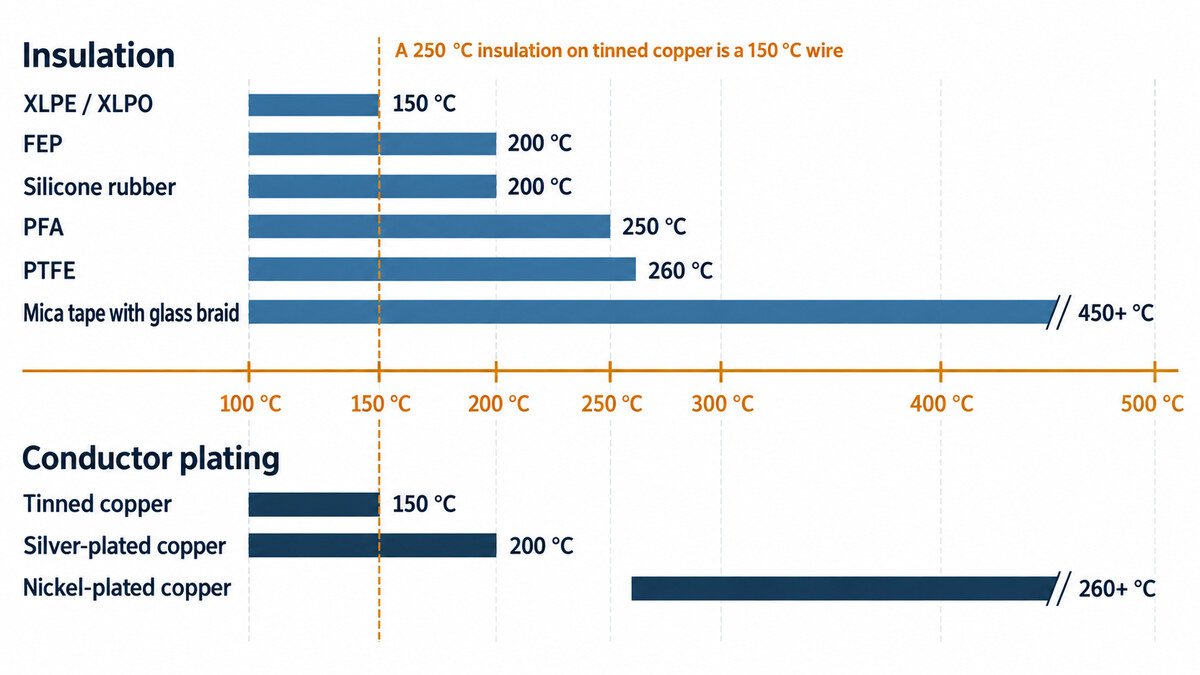
High Temp Wire Insulation: What a 200 °C Rating Really Means
Silicone, PTFE, PFA, FEP and mica-glass compared by what limits each in service, and why the plating often sets the ceiling.
Read moreFrequently Asked Questions
Quick answers about UL Style Wire from our engineers.
01What is UL style wire?
UL style wire is single-conductor appliance and hook-up wire built to a numbered UL wire style, which sets the insulation, temperature rating and voltage of the wire. The style number, such as UL 1199 or UL 3132, is what buyers write on drawings and bills of material.
02Which UL styles are rated for the highest temperature?
The 250 °C styles are UL 1570 (mineral-filled PTFE, 600 V), UL 1659 (PTFE lead wire, 600 V) and UL 1815 (PTFE, 300 V). UL 1199 is rated 200 °C at 600 V, and UL 1164, UL 1198, UL 1333 and UL 3132 are 150 °C styles.
03What is the difference between PTFE, FEP, silicone and XLPE wire?
The PTFE styles cover 105 °C to 250 °C at 300 V or 600 V, and UL 1570 adds a mineral filler for abrasion resistance. UL 1333 is a 150 °C, 300 V FEP wire on tinned copper. UL 3132 is a 150 °C, 300 V silicone rubber wire for totally enclosed appliances. UL 3173 and UL 3266 use 125 °C low-smoke, non-halogen XLPE.
04Why are high-temperature wires silver-plated or nickel-plated?
The plating protects the copper strands at the wire's temperature rating. Most TEBAOFLEX PTFE styles use silver-plated copper, the 250 °C styles UL 1570 and UL 1659 use nickel-plated copper, and the 125 °C to 150 °C FEP, silicone and XLPE styles use tinned or bare copper.
05Can you supply twisted pairs or multi-core assemblies?
UL 3173 and UL 3266 can be supplied as twisted pairs or multi-core assemblies. For other styles, tell us the assembly you need and our engineers will confirm what can be made.
06What should I send for a quotation?
Send the UL style, AWG size and stranding, conductor plating, insulation colour, put-up length, quantity and any UL, CSA or flame-test marking requirement. Our engineers confirm the construction on the TEBAOFLEX datasheet issued with your quotation.
Why Choose Us
A special-cable manufacturer in Taicang, Suzhou, making heavy-duty and special cables since 2014.
Certified Quality
UL and cUL, VDE, Korea KC, China MA and US MSHA approvals for the certified types, CE verification of conformity, and ISO 9001 quality management.
200+ Sets of Equipment
More than 200 sets of advanced production and test equipment at home and abroad, from compounding to final electrical testing.
15 Senior Cable Engineers
Constructions engineered to VDE, ICEA, IEC and NEK 606 standards and checked against the real duty cycle of your equipment.
1,500+ Cable Types
0.6/1 kV to 35 kV heavy-duty rubber cables, reeling and festoon crane cables, submersible, marine, ROV and high-temperature cables.
Custom Cable Design
Special constructions, fibre-optic elements, colours, printing and lengths built to the specification of your project.
Worldwide Project Supply
Cables working in tunnel engineering, marine and offshore equipment, mining, petrochemical, steel and urban construction projects around the world.
Can’t Find What You Need?
Send us the equipment, voltage, cores and operating conditions and our engineers will propose a cable construction and quotation.