


Cable Articles & Selection Guides
- Home
- Blog
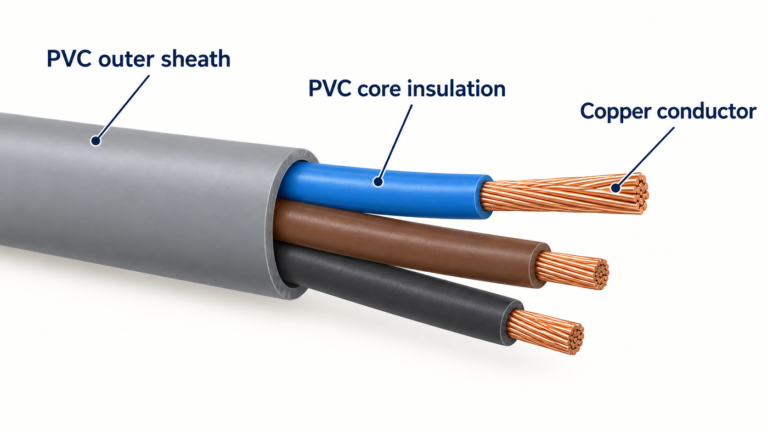
PVC Control Cable Insulation and Sheath: How to Read the Datasheet
Read PVC insulation and outer-sheath fields separately, map the layers in YY, LiYY and LiYCY constructions, and check ratings before approving a cable specification.
Read more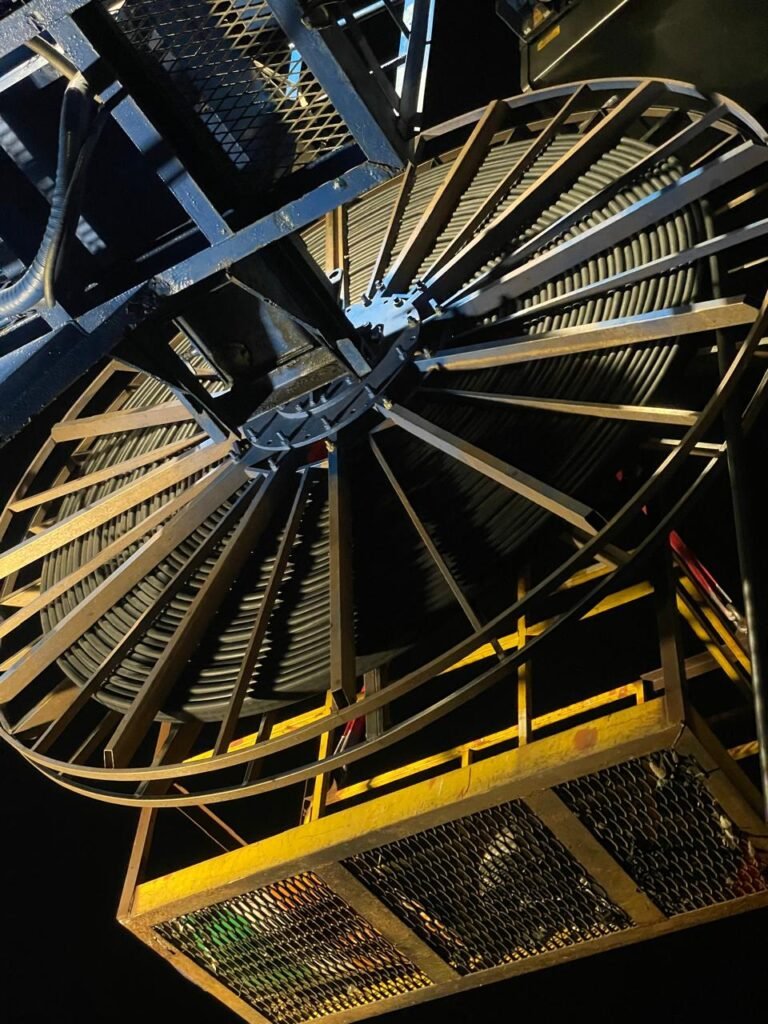
6.6 kV 3PNCT Cable Replacement for a Hai Phong Port Project
A Hai Phong port project requested 6.6 kV 3PNCT 3 × 50 mm² cable. Review reel fit, dimensional checks and delivery documents before replacement.
Read more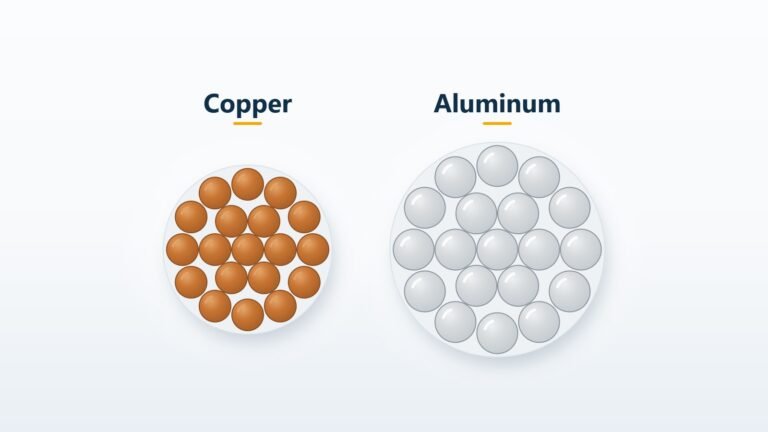
Aluminum vs Copper Wire: How to Choose an Aluminum Conductor
Aluminum vs copper wire explained: conductivity, weight, AA-8000 and 1350 alloys, compact stranding, connections and when aluminum makes sense.
Read more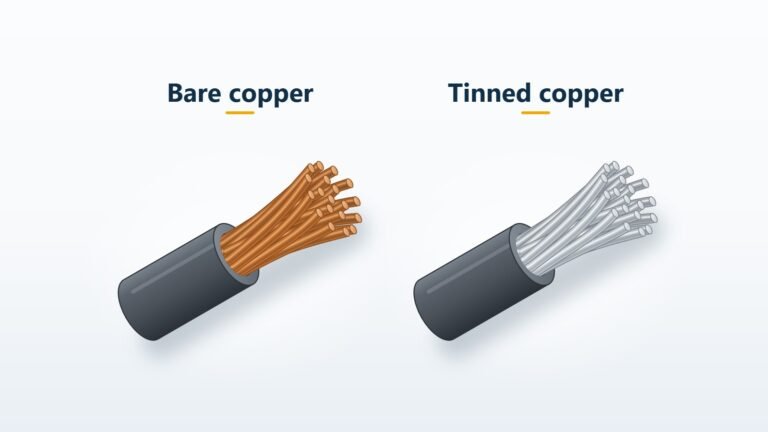
Tinned Copper Wire vs Bare Copper: How to Choose a Copper Conductor
Tinned vs bare copper wire explained: what tinning does, when to specify it, ETP vs oxygen-free copper, solid vs stranded, and how to spot CCA.
Read more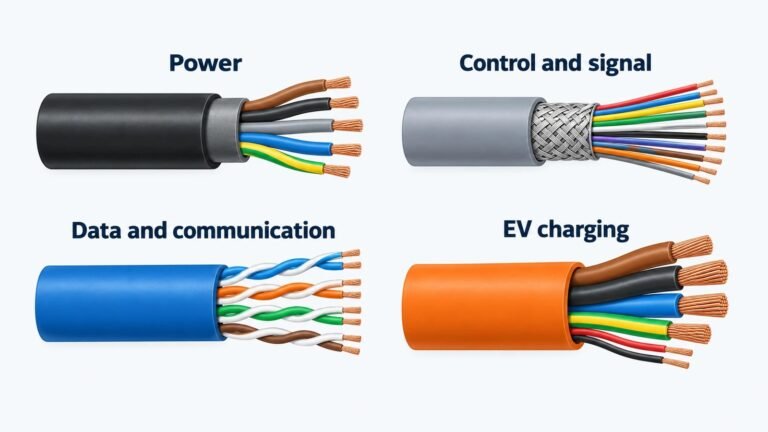
Types of Cables Explained: Power, Control, Data and EV Cables
Types of cables explained: power, control and signal, data and EV charging cables, plus the parts of a cable and how to choose by duty.
Read more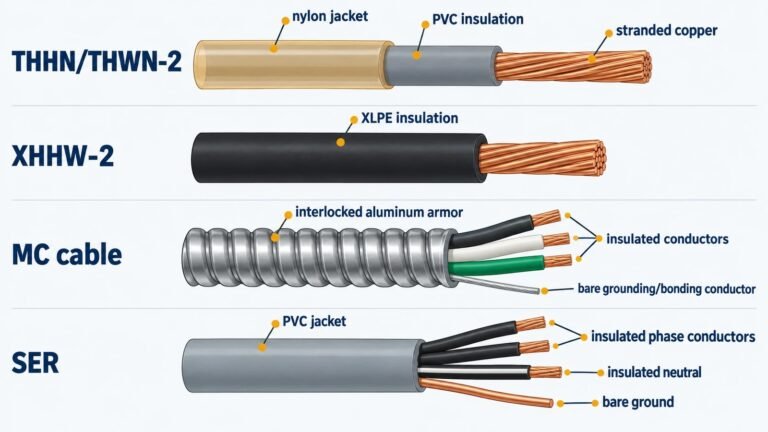
THHN Wire Explained: THHN vs THWN-2 vs XHHW-2, and Where MC, SER, URD and MTW Fit
What THHN wire is, what each letter means, and how it differs from THWN-2, XHHW-2, MC, SER, URD and MTW: ratings, UL standards and where each one belongs.
Read more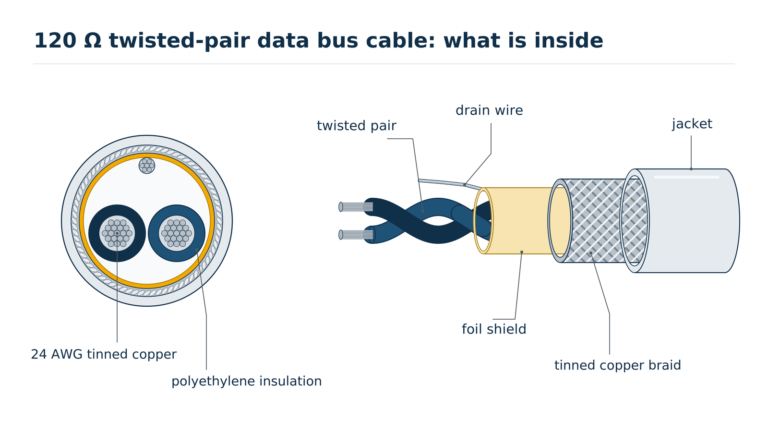
How to Choose an RS-485 Cable: Impedance, Capacitance, Gauge and Distance
RS-485 cable selection: 120 Ω impedance, low capacitance, twisted pairs and shielding, distance vs baud rate, Modbus, PROFIBUS and CAN differences, what to order.
Read more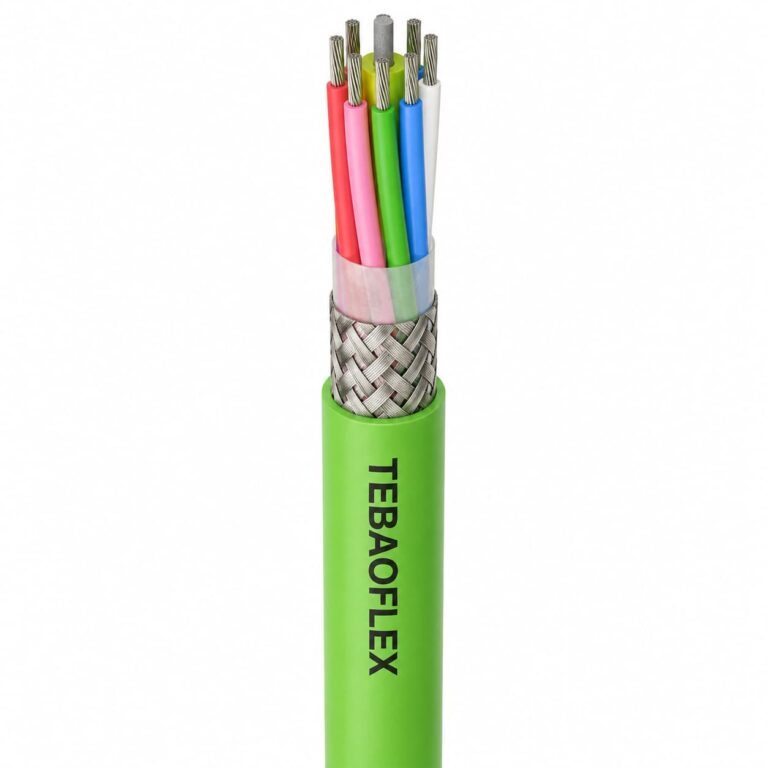
What Is a High-Temperature Wire? Definition, Materials and Selection Guide
Learn what high-temperature wire is, common ratings and materials, and how to choose wire for voltage, current, heat and movement.
Read more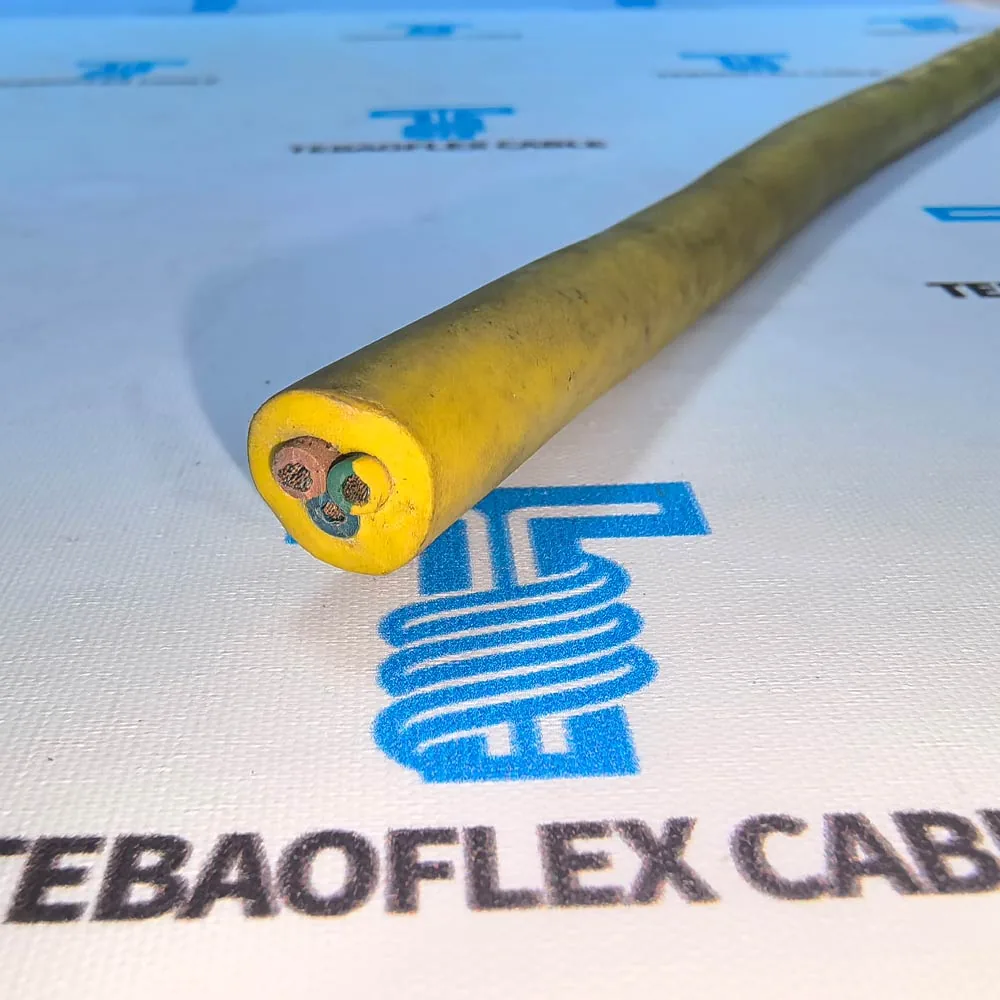
What Is SO Cord? Meaning, Uses and How to Read Its Markings
Learn what SO cord means, where it is used, and how to read type, AWG, conductor count and voltage markings, with a sample photo and a labeled example.
Read more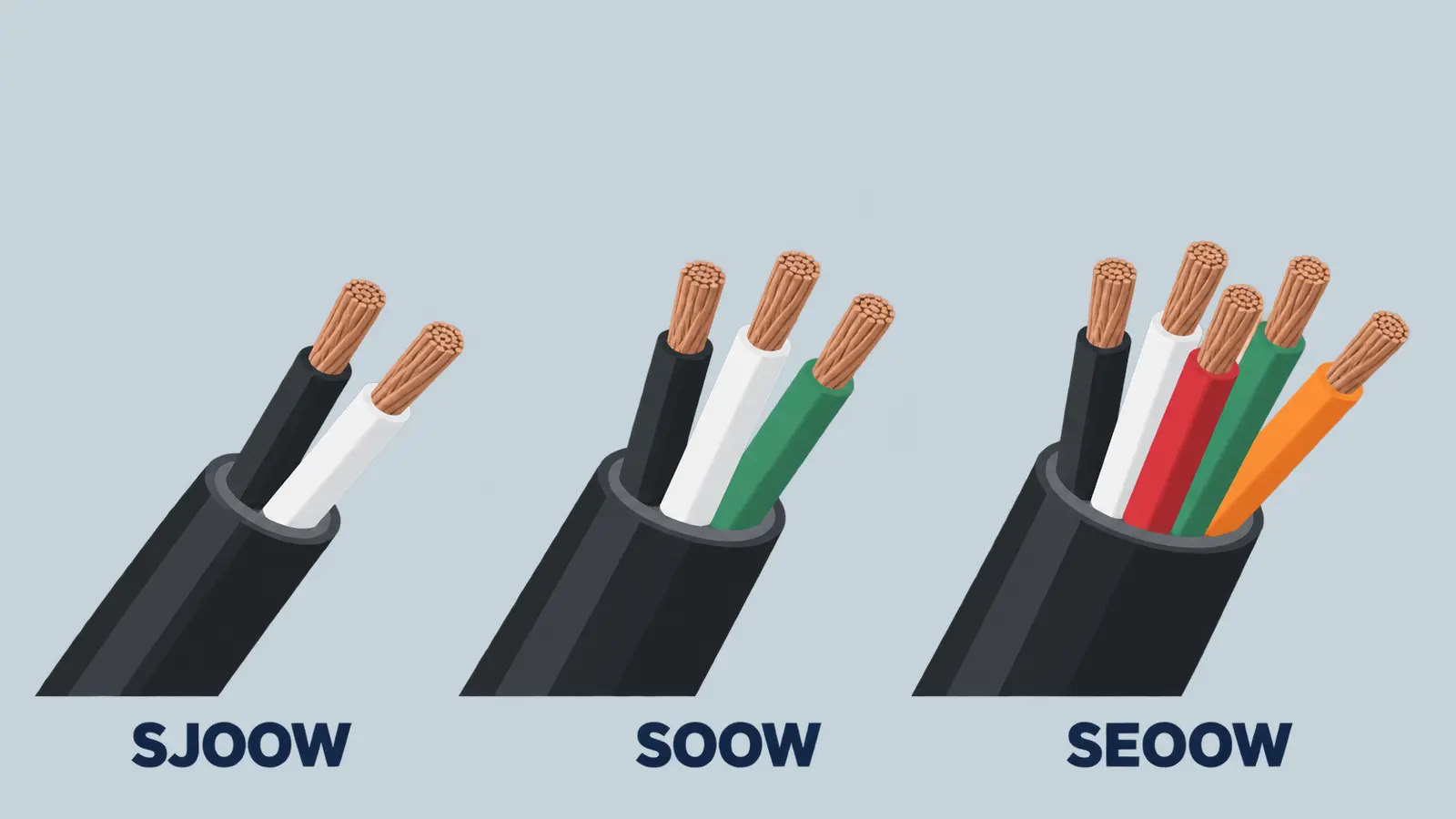
SOOW vs SJOOW vs SEOOW: What the Cord Letters Mean and Which to Specify
SOOW, SJOOW and SEOOW decoded letter by letter, with voltage, compound and temperature compared and NEC 400.5 ampacity for every size from 18 to 2 AWG.
Read more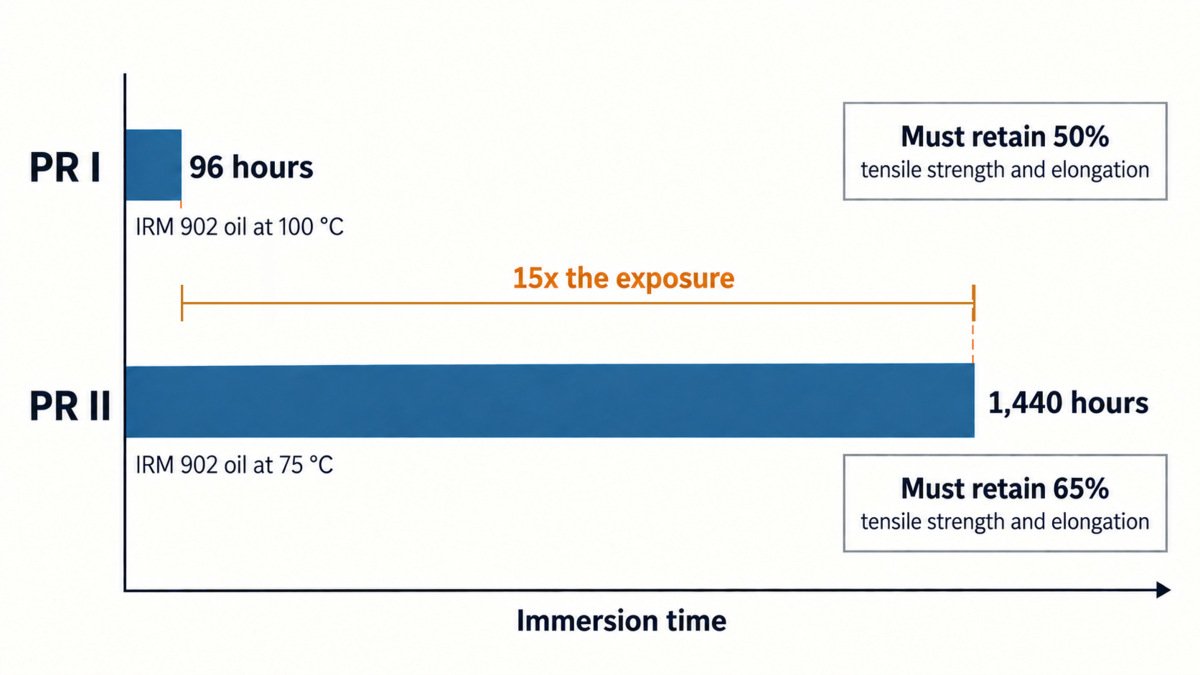
Oil Resistant Cable: PR I vs PR II
PR I is a 96-hour oil immersion, PR II is 1,440 hours with a higher pass mark. What the two UL ratings prove, and how to specify oil duty.
Read more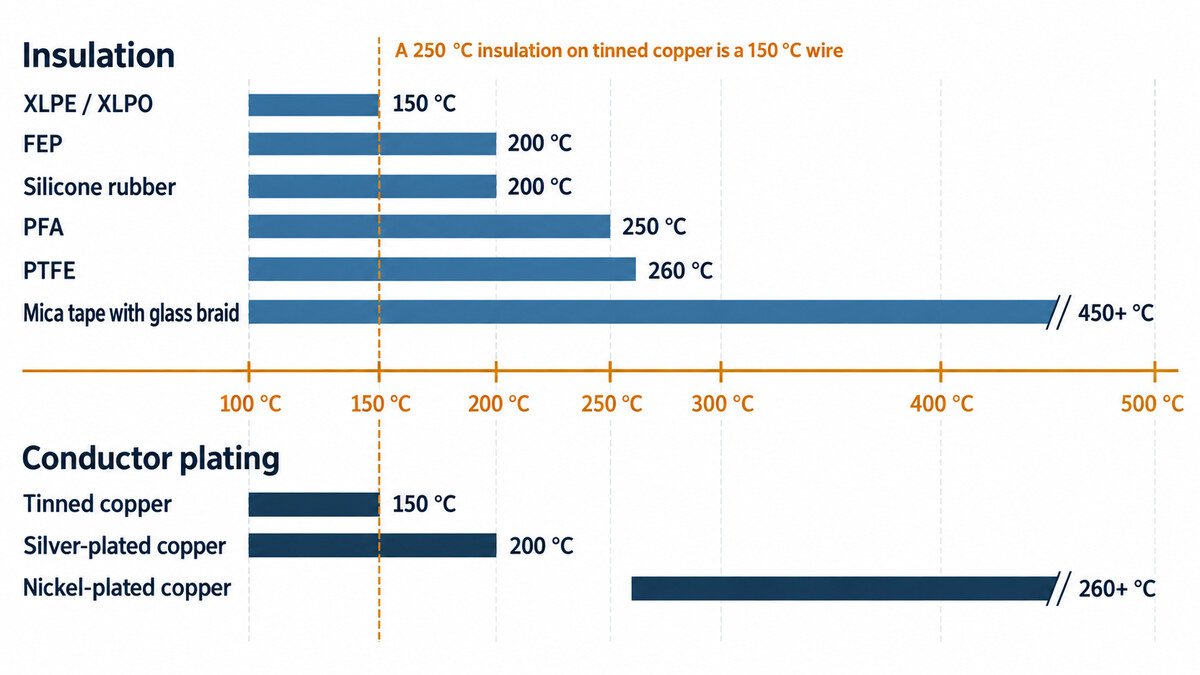
High Temp Wire Insulation: What a 200°C Rating Really Means
Silicone, PTFE, PFA, FEP and mica-glass compared by what limits each in service, and why the conductor plating often sets the real temperature ceiling.
Read more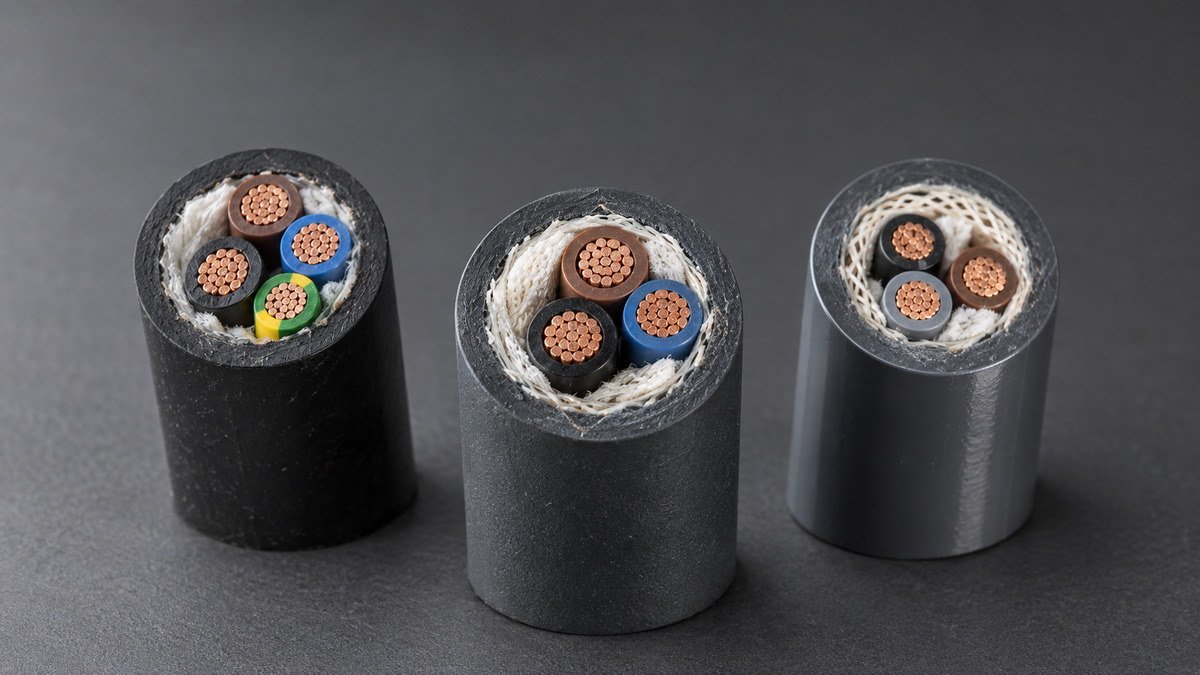
Abrasion-Resistant Mining Cable for Mobile Equipment
Why mining cable jackets wear out on mobile equipment, how CPE, TPU/PUR and PVC compare, and how to match the jacket to trailing or reeling duty.
Read more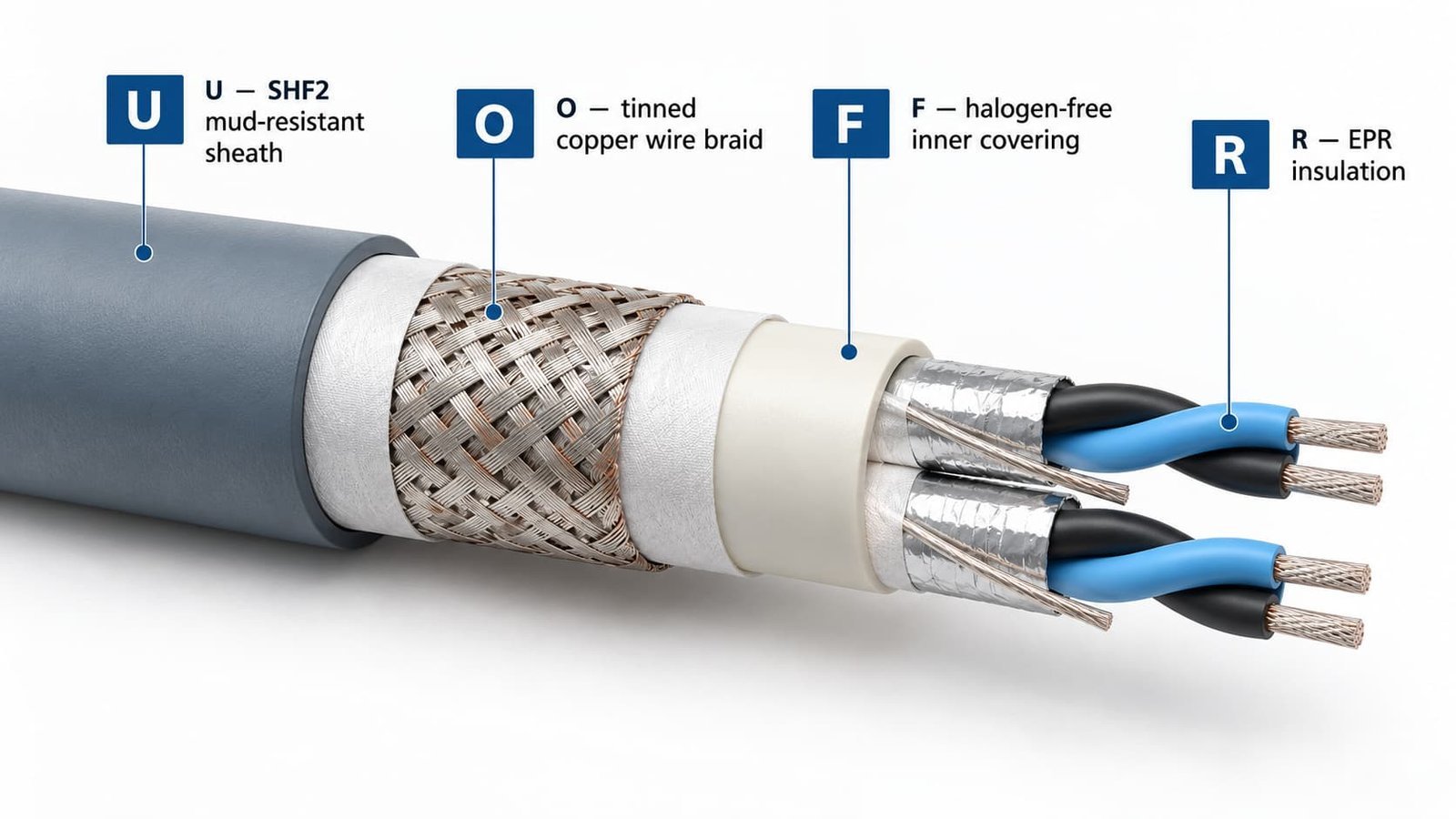
RFOU vs BFOU Cable: NEK 606 Designations Explained
RFOU and BFOU cable designations decoded layer by layer: what R, F, O and U name, how (i) and (c) screening differs, and which IEC 60092 part applies.
Read more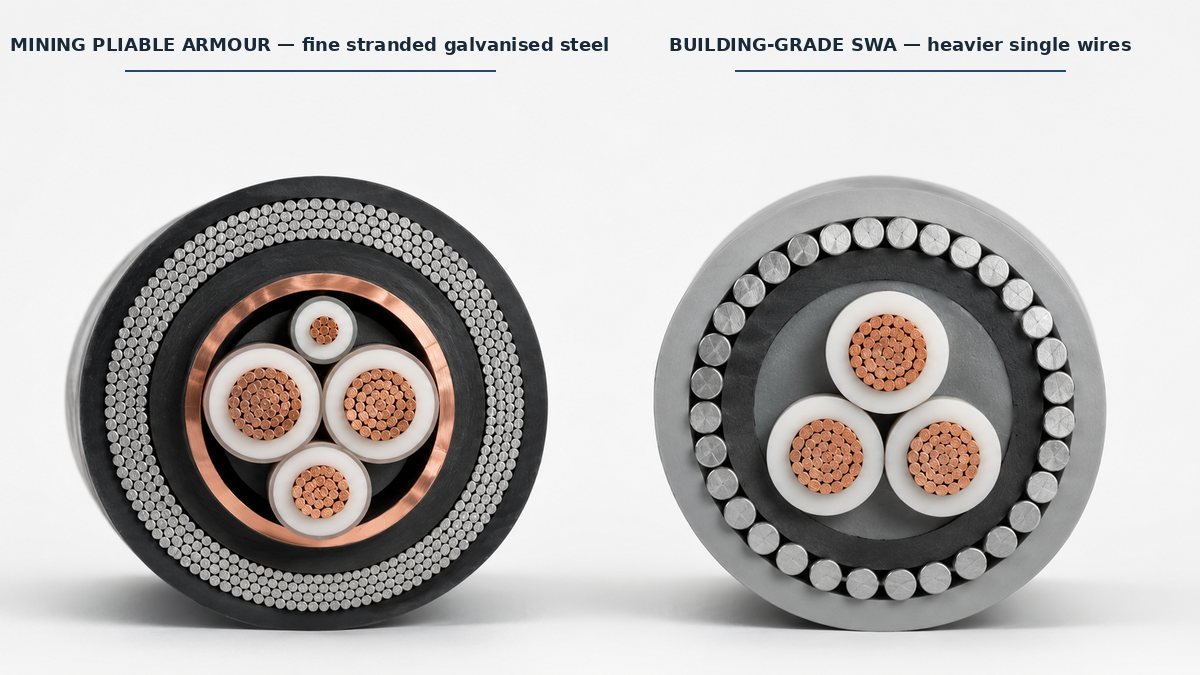
Armoured and Static Mining Cable: Fixed Distribution Routes
Armoured mining cable suits static routes, not trailing duty, and its armour is pliable not rigid SWA. Compare fixed routes, pilot cores and standards.
Read more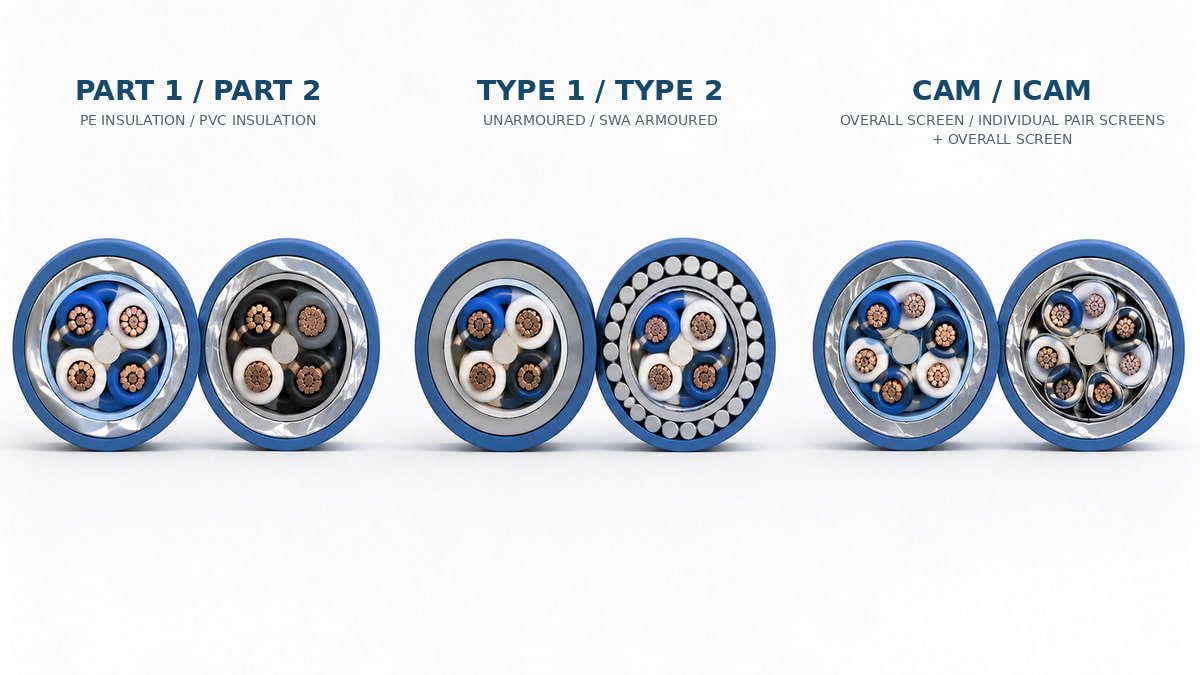
PAS 5308 and BS 5308 Instrumentation Cable: Specification Guide
PAS 5308-1 and -2 were withdrawn on 3 April 2024, BS 5308 in 2005. Compare Part, Type and screening, and see what to specify now.
Read more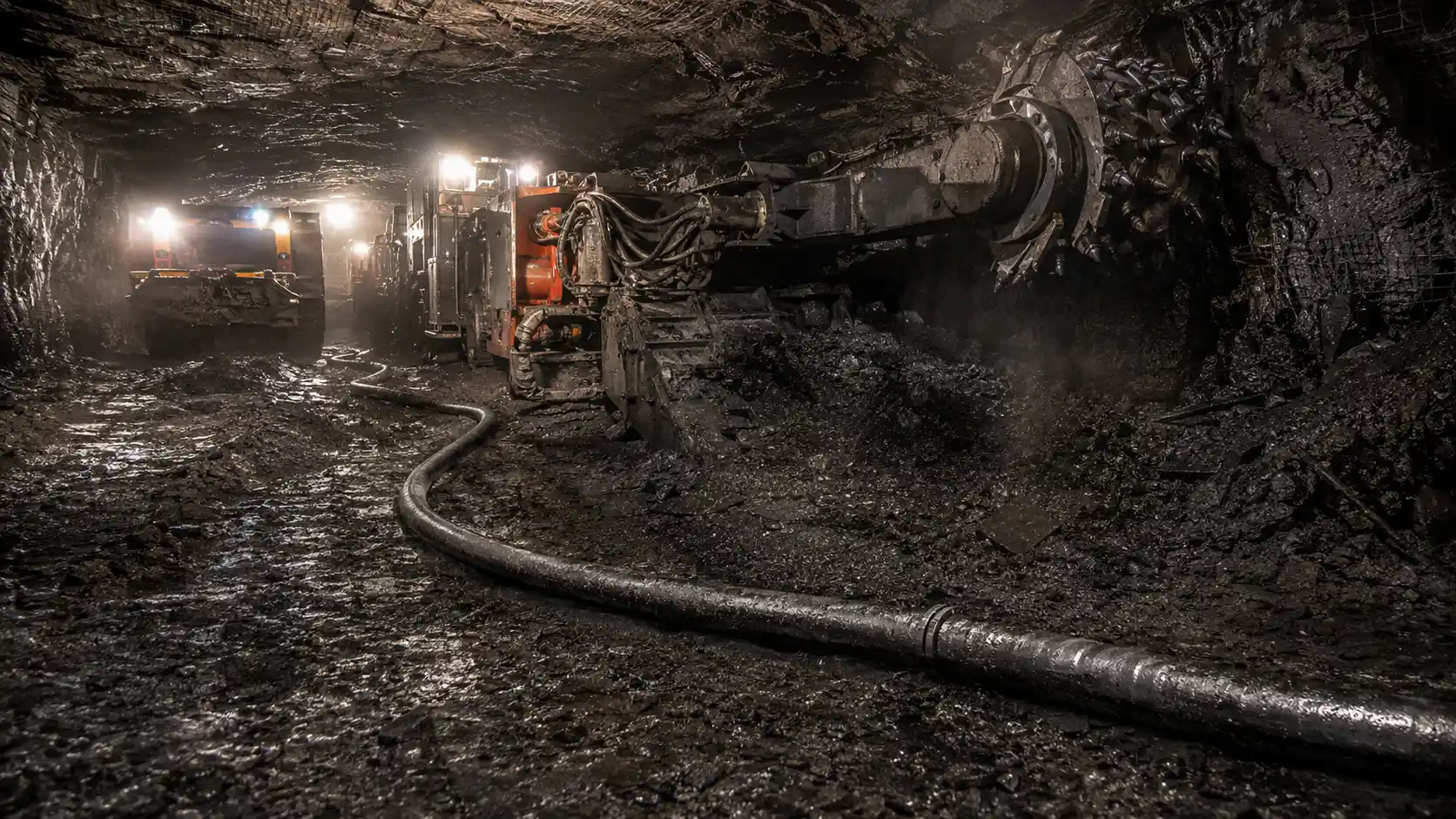
What Does Type SHD Mean in Mining Cables?
Type SHD means Shielded Heavy Duty. See what each letter stands for, what GC, CGC and PCG add, and the MSHA rules that force every layer to exist.
Read moreNeed Expert Cable Advice?
Contact our engineering team for technical consultation and a customised quotation.