

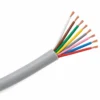
LiYY Cable: Unscreened PVC Data and Control Cable, 0.14 to 0.75 mm²
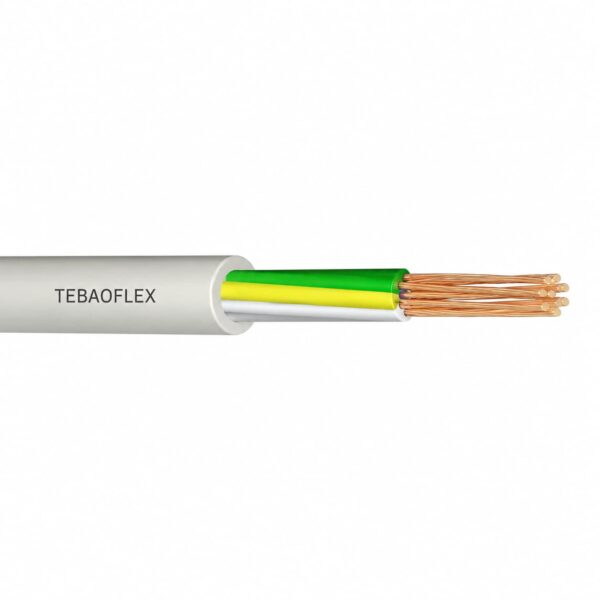
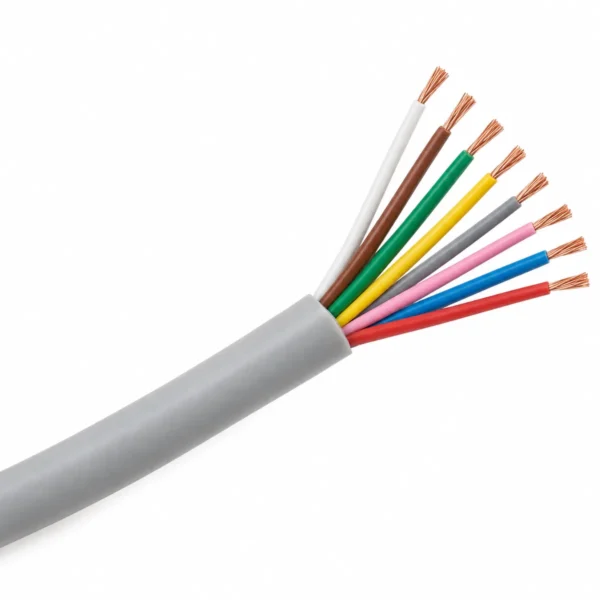
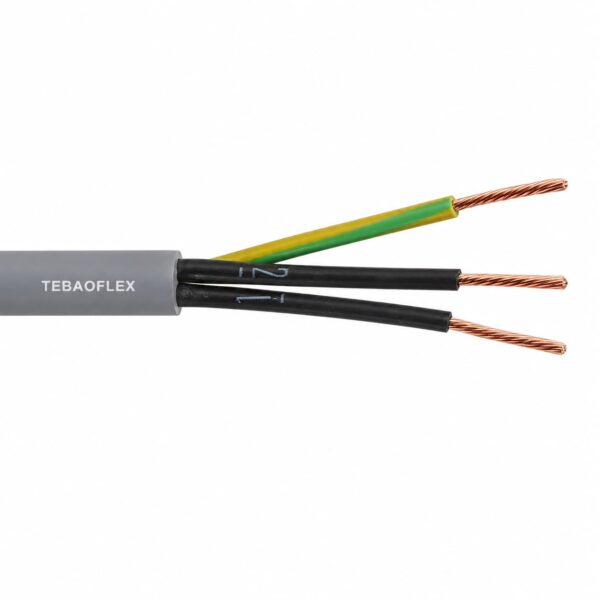
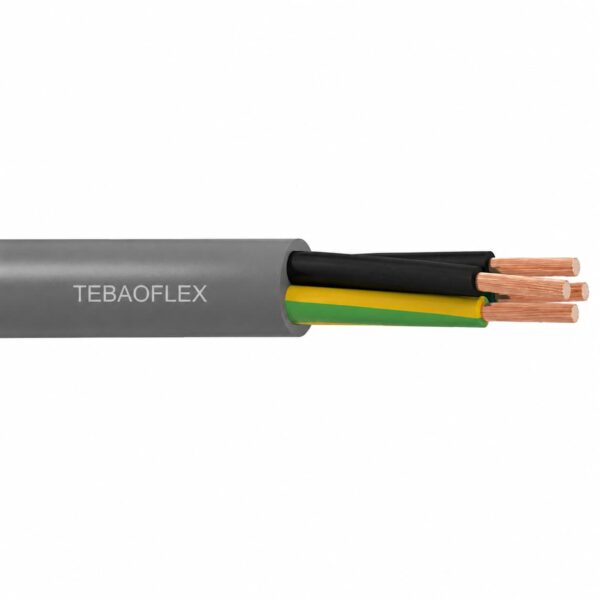
LiYY cable is an unscreened multicore PVC data and control cable for electronic equipment, instrumentation and control panels, with fine-stranded copper cores in the DIN 47100 colour code and a pebble grey PVC sheath.
- Cable typeUnscreened PVC data cable
- Typical sizes0.14 to 0.75 mm²
- ConductorFine-stranded bare copper
- Core colour codeDIN 47100
- Peak operating voltage250 V (signal circuits)
- Temperature (flexing)-5 °C to +70 °C
- Min. bending radius15 × outer diameter
- Outer sheathPVC, pebble grey RAL 7032
LiYY is a flexible multicore PVC data, signal and control cable for low-voltage electronic equipment, instrumentation and automation. The name describes the build: Li for the fine-stranded copper conductor (Litze), the first Y for PVC core insulation and the second Y for the PVC outer sheath. There is no screen, so the cable stays small and light even with many cores.
Compared with screened LiYCY, LiYY is selected where an overall EMC screen is not required: internal wiring of devices, measuring and control panels, and low-frequency signal circuits in dry or damp indoor rooms. The cores are identified by the DIN 47100 colour code, and the 250 V peak operating voltage makes LiYY a signal cable, not a power cable.
Browse the PVC Control & Data Cable category for related cables.
Application & Features
Selection overview
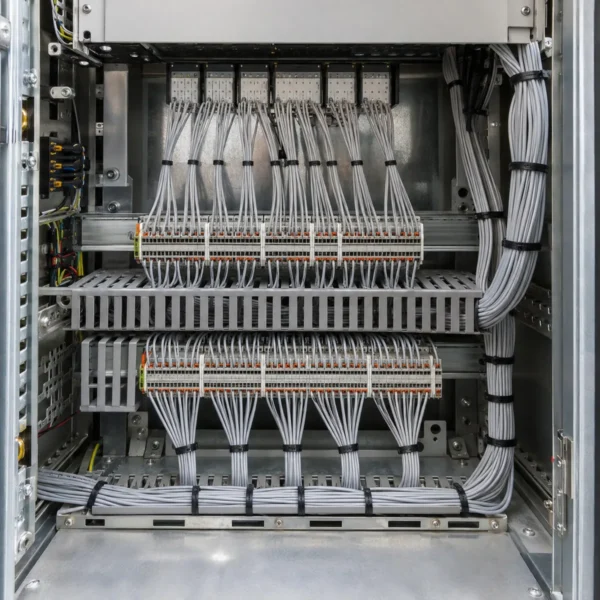
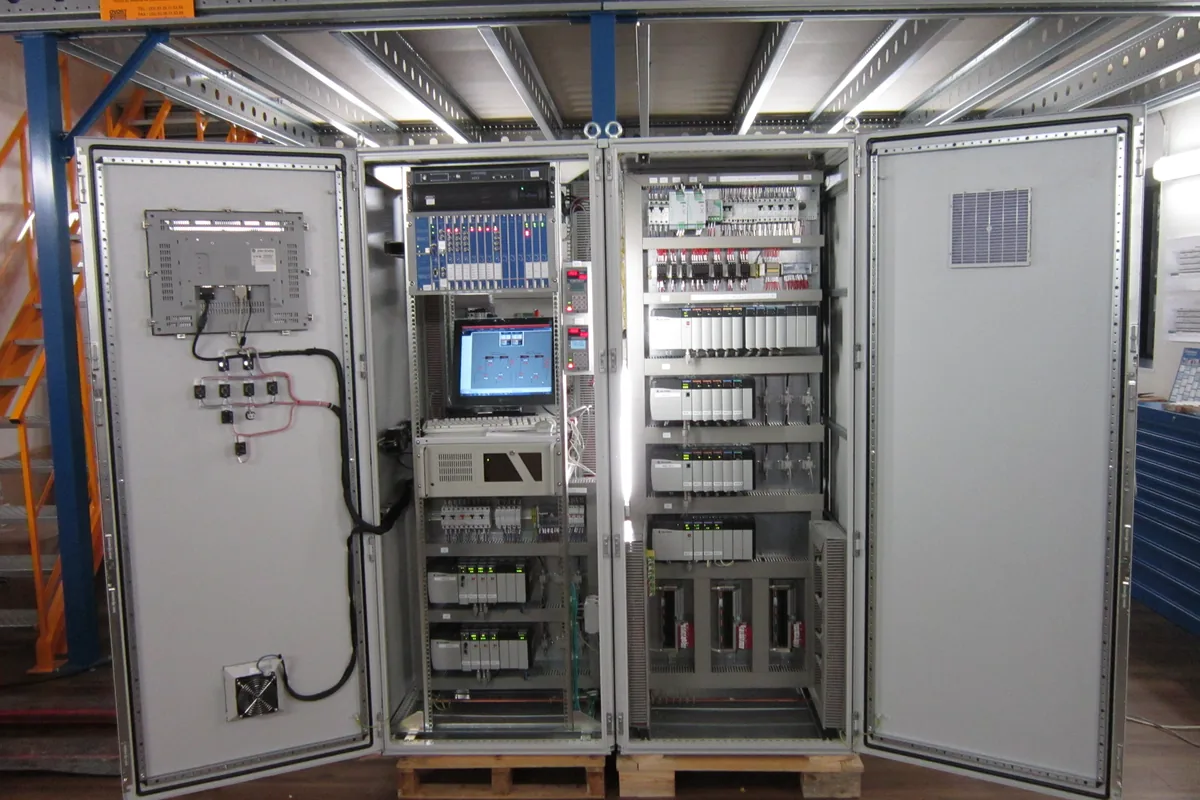
LiYY is the everyday wiring cable for the inside of electronic equipment and for short links between devices: computers and office machines, weighing scales, measuring instruments, sensor and switch wiring in control panels, and low-frequency signal lines between a controller and its peripherals. Many cores fit into a small outer diameter, so one LiYY can replace a bundle of single wires and keep a cabinet tidy.
The cable is made for fixed installation and occasional flexing in dry and damp indoor rooms. It has no screen, so route it away from motor cables and frequency converters, or choose LiYCY screened control cable where interference is a concern. LiYY is unscreened and intended for low-frequency signal and control wiring rather than for serial buses; the RS-485 cable selection guide explains which construction a Modbus or other RS-485 bus needs.
- Device and panel wiringInternal wiring of electronic equipment, instruments, office machines and control panels.
- Compact multicore buildMany fine-stranded cores in a small outer diameter for crowded cabinets and ducts.
- DIN 47100 colour codeColour-identified cores make terminal-by-terminal wiring and fault finding quicker.
- Indoor, fixed or occasional flexFor dry and damp indoor rooms; not intended for continuous drag-chain movement.
Specifications
Technical data
Typical values for LiYY constructions. The final construction is confirmed on the TEBAOFLEX datasheet issued with your quotation.
Electrical, mechanical and material data
| Parameter | Value |
|---|---|
| Designation | Li = stranded conductor, Y = PVC core insulation, Y = PVC outer sheath |
| Conductor | Bare copper, fine-stranded; IEC 60228 Class 5 from 0.5 mm² |
| Core insulation | PVC compound type TI2 (EN 50363-3) |
| Core identification | Colour code to DIN 47100 |
| Core layup | Cores stranded in layers |
| Screen | None (unscreened) |
| Outer sheath | PVC compound type TM2 (EN 50363-4-1), pebble grey RAL 7032 |
| Peak operating voltage | 250 V (signal circuits, not for power applications) |
| Test voltage | 1200 V (0.14 mm²); 1500 V (0.25 mm² and larger) |
| Mutual capacitance | Approx. 120 nF/km |
| Inductance | Approx. 0.7 mH/km |
| Temperature, occasional flexing | -5 °C to +70 °C |
| Temperature, fixed installation | -30 °C to +70 °C |
| Minimum bending radius | 15 × outer diameter (occasional flexing) |
| Environment | Dry and damp indoor rooms |
LiYY typical constructions
| Cores × size | Max. conductor resistance at 20 °C | Approx. outer diameter | Approx. weight |
|---|---|---|---|
| 2 × 0.14 mm² | 138 Ω/km | 3.2 mm | 13 kg/km |
| 4 × 0.14 mm² | 138 Ω/km | 3.6 mm | 19 kg/km |
| 7 × 0.14 mm² | 138 Ω/km | 4.3 mm | 27 kg/km |
| 2 × 0.25 mm² | 79 Ω/km | 3.7 mm | 17 kg/km |
| 4 × 0.25 mm² | 79 Ω/km | 4.2 mm | 26 kg/km |
| 7 × 0.25 mm² | 79 Ω/km | 5.3 mm | 42 kg/km |
| 2 × 0.34 mm² | 57 Ω/km | 4.2 mm | 22 kg/km |
| 4 × 0.34 mm² | 57 Ω/km | 4.9 mm | 33 kg/km |
| 7 × 0.34 mm² | 57 Ω/km | 6.2 mm | 51 kg/km |
| 3 × 0.5 mm² | 39.0 Ω/km | 5.2 mm | 33 kg/km |
| 4 × 0.5 mm² | 39.0 Ω/km | 5.7 mm | 40 kg/km |
| 2 × 0.75 mm² | 26.0 Ω/km | 5.4 mm | 48 kg/km |
| 4 × 0.75 mm² | 26.0 Ω/km | 6.3 mm | 69 kg/km |
Selection note: before ordering, ask our engineers to confirm the core count and cross-section, the voltage your circuit needs, the temperature range, the bending radius for fixed installation, the core identification and sheath colour, and any flame-test or regulatory marking. Outer diameter and weight in the table are approximate.
Standards & References
Applicable standards and compliance
- Design referenceLiYY is built with reference to DIN VDE 0812, the German specification for stranded wiring in telecommunication and information-processing equipment.
- Conductor referenceBare copper conductors; resistance limits to IEC 60228 Class 5 for 0.5 mm² and larger.
- Colour codeCore colours to DIN 47100.
- MaterialsPVC core insulation type TI2 to EN 50363-3 and PVC sheath type TM2 to EN 50363-4-1.
- ApprovalsFlame-test reports (IEC 60332-1-2), CPR classification and regulatory marking are confirmed and quoted per order.
Construction
Material and build-up
LiYY is a round, unscreened multicore cable. The insulated cores are stranded together in layers and covered by a PVC outer sheath. With no screen, the outer diameter stays small even at high core counts.
- Conductor: fine-stranded bare copper; 0.14, 0.25 and 0.34 mm² for signal circuits, 0.5 and 0.75 mm² where a lower conductor resistance is needed.
- Core insulation: PVC on each core, coloured to DIN 47100 so every core can be identified without numbering.
- Stranding: cores laid up in concentric layers to keep the cable round and flexible.
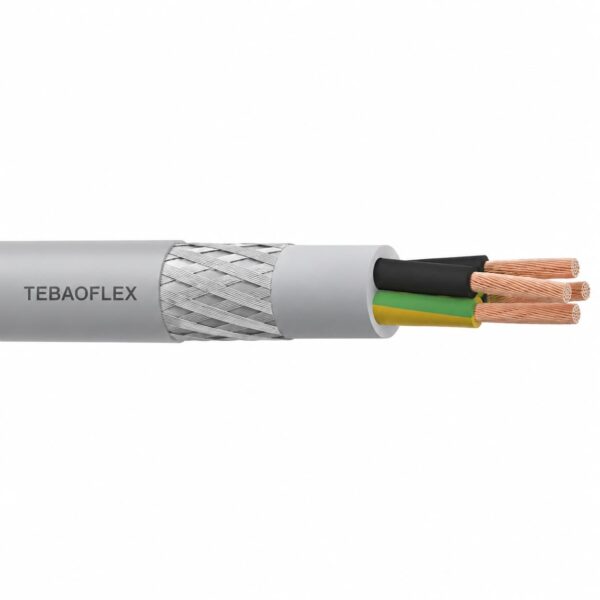
- Screen: none; for EMC protection choose LiYCY, which adds a copper braid screen.
- Outer sheath: PVC, pebble grey (RAL 7032) as standard; colour and compound are confirmed per order.
FAQ
Selection questions
What does LiYY stand for?
LiYY follows the German cable code: Li means a stranded (Litze) conductor, the first Y is PVC core insulation and the second Y is a PVC outer sheath. There is no C in the name, which tells you there is no copper braid screen; the screened version is LiYCY.
Should I choose LiYY or LiYCY?
Use LiYY for signal and control wiring in panels and devices where there is little electrical noise. Choose LiYCY when the cable runs near motors, drives or switching equipment, or when the connected device asks for a screened cable. Both use fine-stranded cores in the DIN 47100 colour code.
Can LiYY be used for RS-485 or Modbus?
LiYY is unscreened and its PVC-insulated cores are not built to a controlled impedance, so it is a low-frequency signal and control cable rather than a bus cable. The RS-485 cable selection guide explains which construction a Modbus RTU or other RS-485 bus needs.
Can LiYY carry mains or motor power?
No. The peak operating voltage is 250 V and the cable is intended for signal circuits, not for power applications. For 300/500 V control circuits with numbered cores, see YY control cable.
What should I send for a quotation?
Send the number of cores and cross-section, the length or drum lengths, the installation method (fixed or occasional flexing) and environment, the colour code and sheath colour, and any flame-test, CPR or marking requirement. TEBAOFLEX confirms the construction and provides the applicable datasheet.
Request this cable.
Send the core count, cross-section, length, installation method, environment, motion duty and required standards.
Quality Assurance
Testing at every stage in our own workshop and laboratory, from incoming copper to the packed drum.
Raw Material Inspection
Every batch of copper rod, rubber compound and reinforcing material is checked before it reaches the line.
- Copper: conductor resistance, elongation and surface condition on incoming rod and drawn wire
- EPR, CPE, PUR and silicone compounds: hardness, tensile strength, elongation and ageing samples from each mix
- Suppliers and batch numbers are recorded so every drum can be traced back to its materials
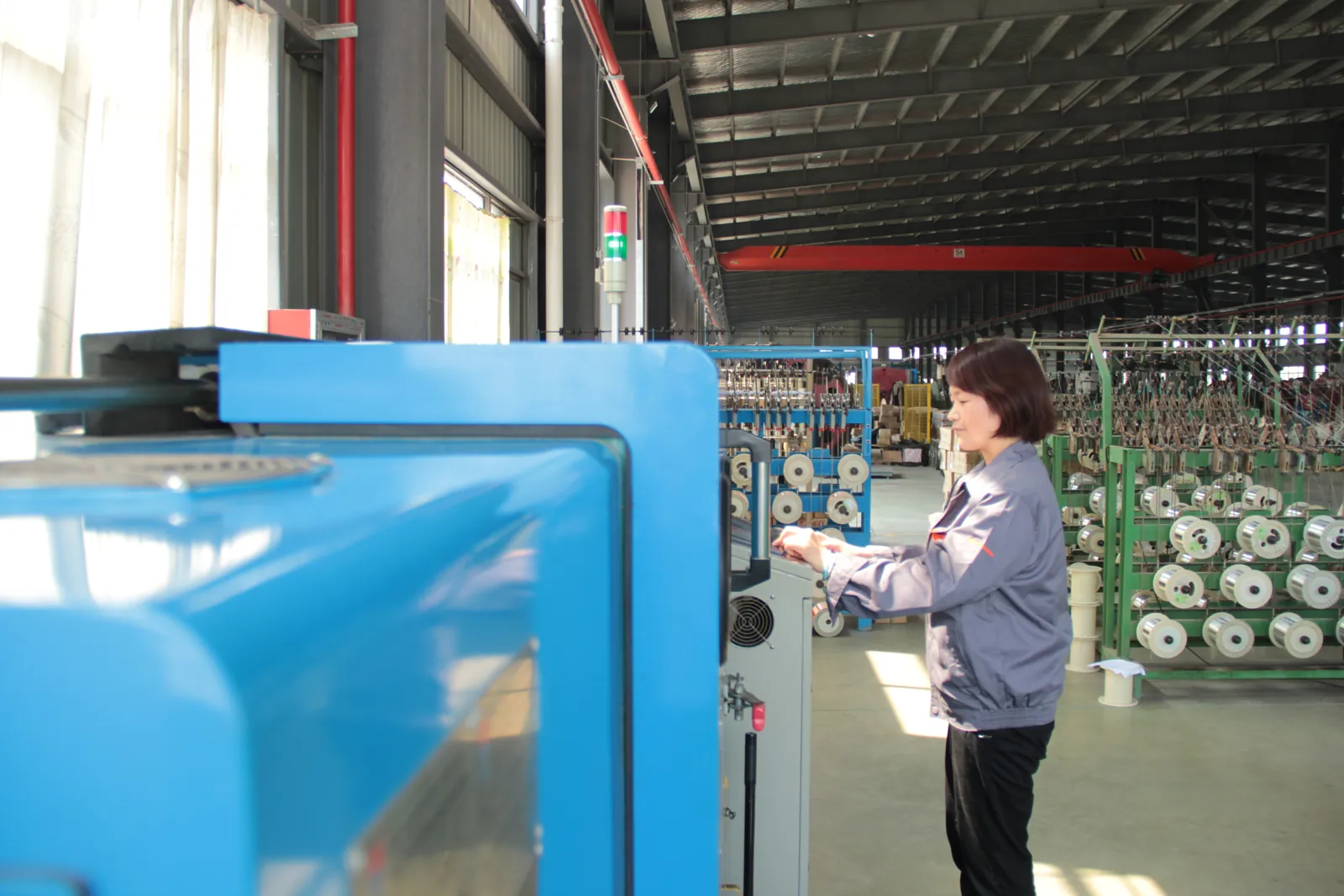
Manufacturing Process Control
Stranding, insulation extrusion, core assembly and sheathing run under recorded process parameters.
- Class 5/6 stranding with lay length and tension monitored for trailing and reeling flexibility
- Continuous-vulcanisation extrusion with wall thickness and spark tests logged on every length
- Operators sign off each stage before the cable moves to the next machine
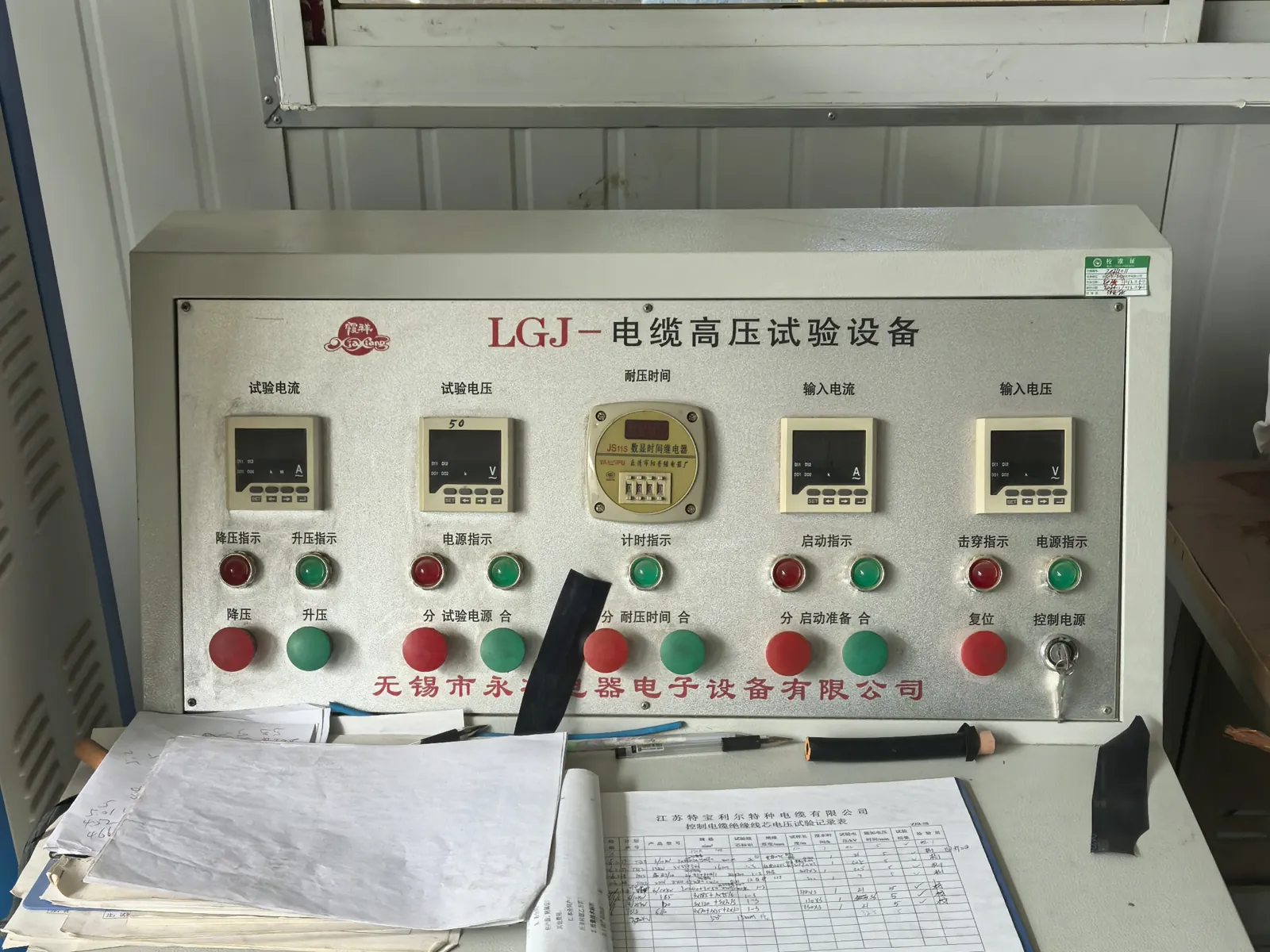
Electrical Testing
Finished lengths go through the routine tests required by the referenced VDE, ICEA, IEC or NEK standard.
- Conductor resistance and insulation resistance on every length
- Voltage withstand (3.5 kV and higher) and partial-discharge measurement in the shielded HV laboratory
- Screen and pilot-core continuity checks for mining and reeling constructions
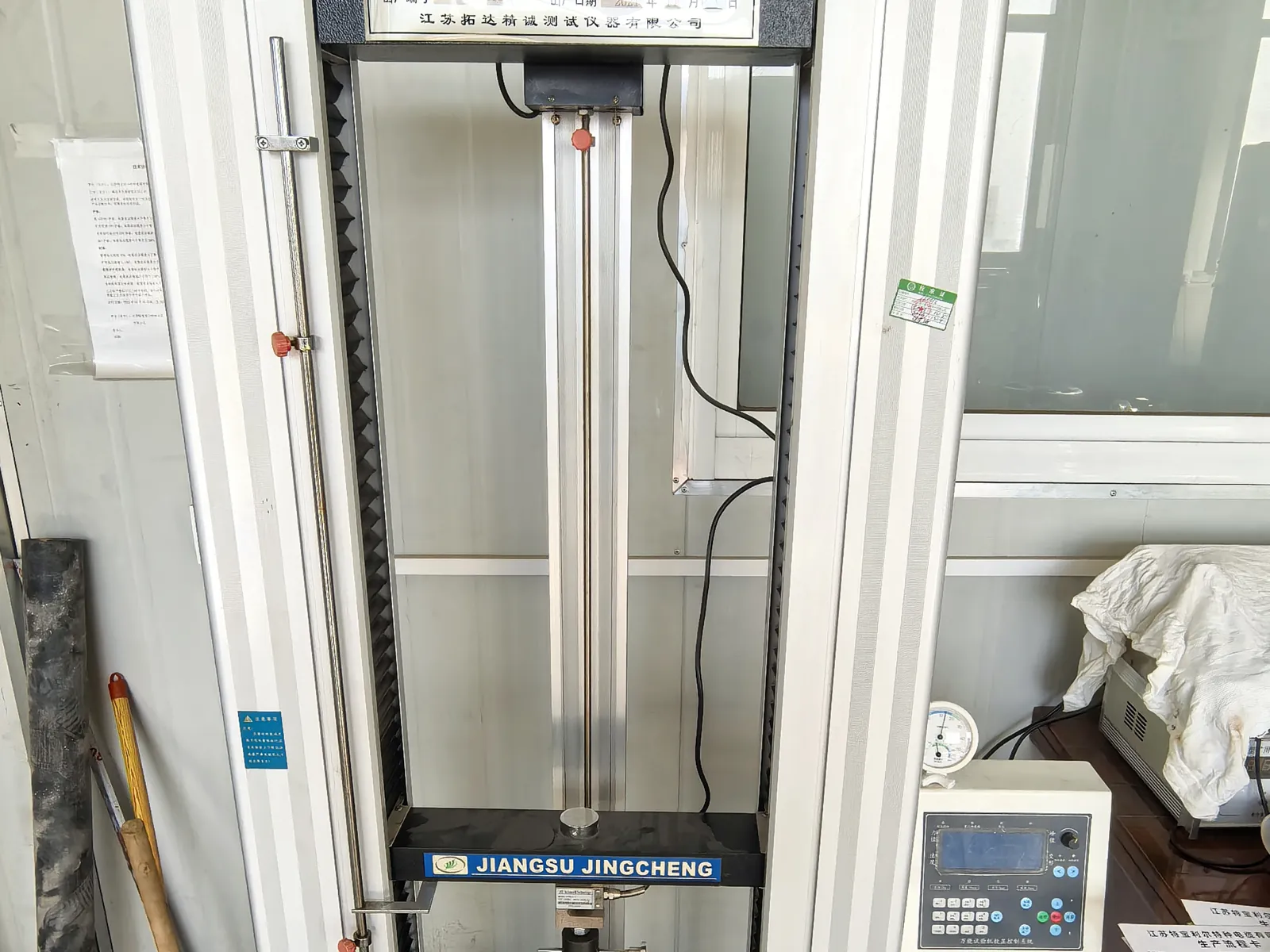
Mechanical and Ageing Tests
Samples from production are tested for the duty a mining, crane or submersible cable will actually see.
- Tensile strength and elongation of insulation and sheath before and after ageing
- Hot-set, ozone, oil-immersion and low-temperature bending tests
- Constant-temperature water bath for insulation resistance of submersible constructions
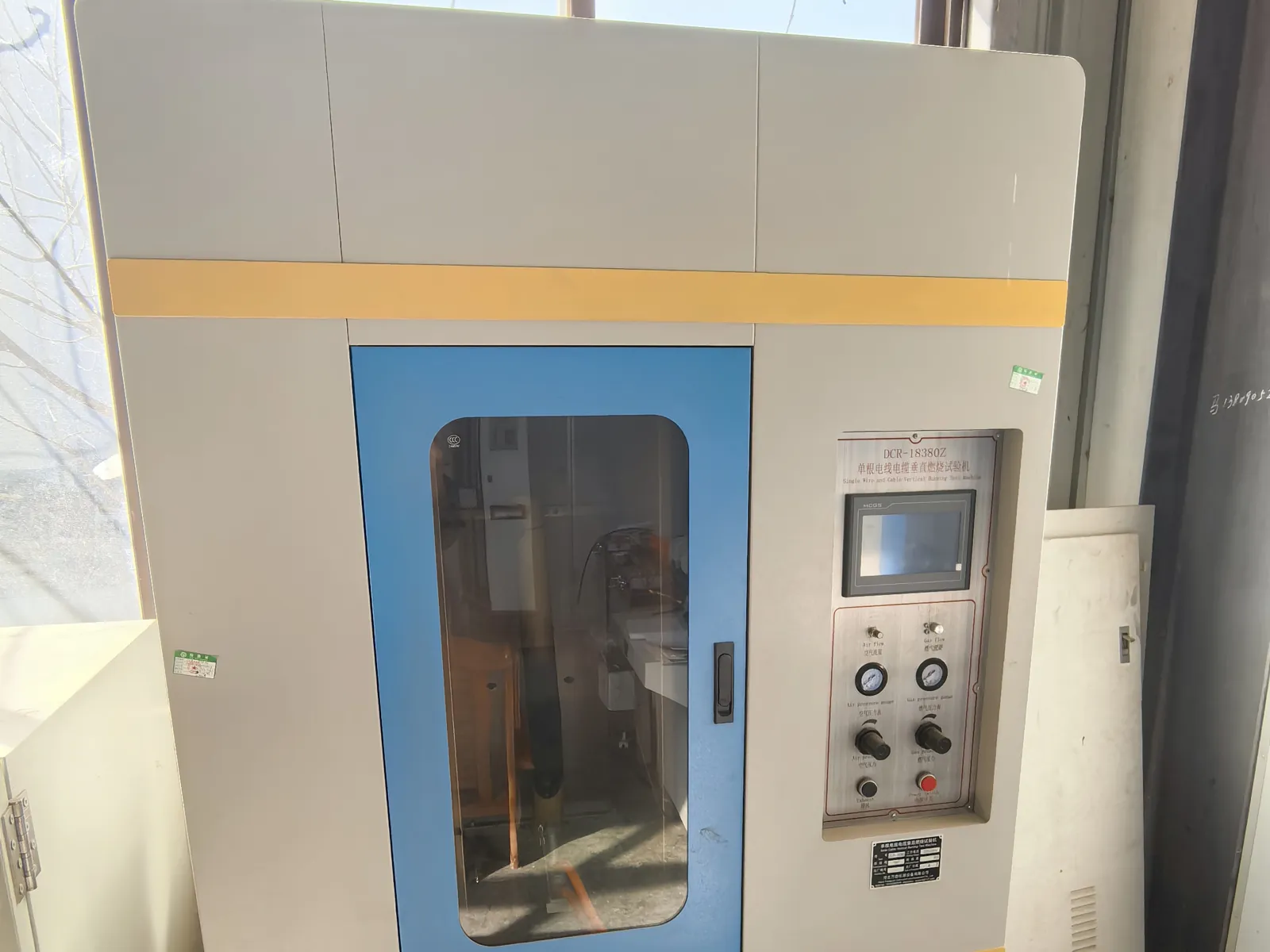
Flame Test and Final Inspection
Before packing, the cable is checked against the order and the flame-performance requirement of its standard.
- Single-cable vertical flame test to IEC 60332-1-2 where specified
- Metre marking, printing, drum length and appearance inspection
- Test report and packing list issued with every shipment
Related products
Need Pricing for This Cable?
Tell us the length, cores, cross-section and delivery country and we will reply with a quotation and datasheet.