

ELCOSUB (N)TMH3S P2 0.6/2kV Submersible Pump Cable with TPU Sheath
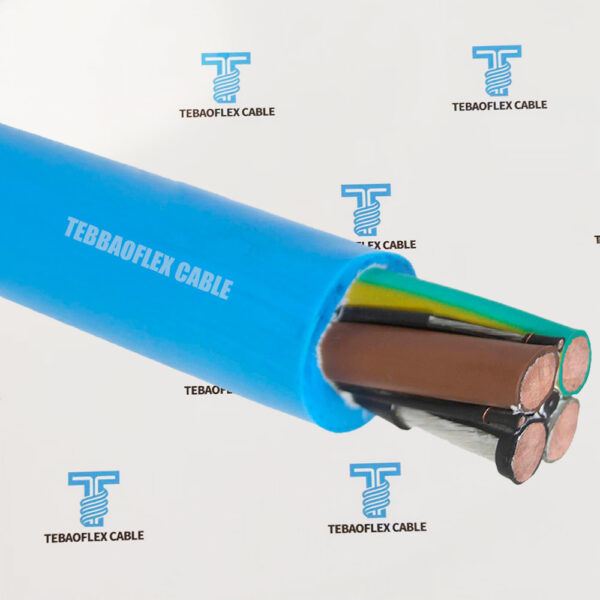
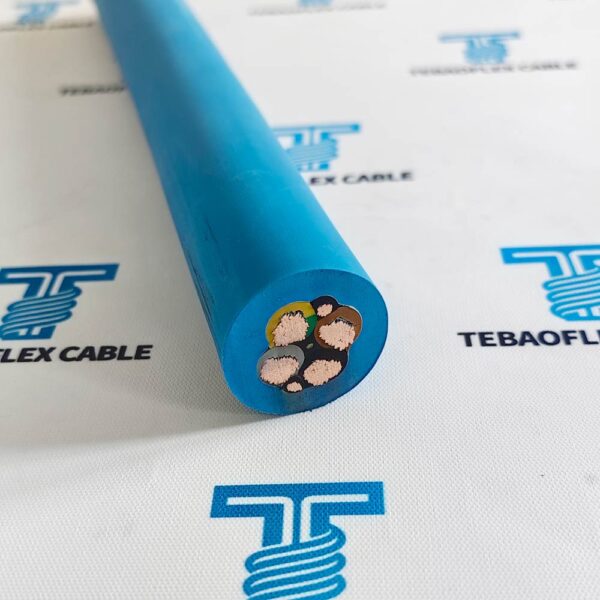
ELCOSUB (N)TMH3S P2 0.6/2 kV submersible pump cable with tinned Class 5 copper, EPR insulation, two insulated pilot cores and a blue TPU outer sheath, for pumps, dewatering and booster plants in drinking water, groundwater and seawater down to 2000 m.
- Rated voltage0.6/2 kV (600/2000 V)
- Cores3 power + earth + 2 pilots
- ConductorTinned Cu, Class 5, IEC 60228
- Insulation / sheathEPR 3GI3 / TPU (P2), blue
- Conductor temperature90 °C (short circuit 250 °C)
- Max. water depth2000 m
- Max. water temperature60 °C
- Min. bending radius4×d fixed, 6×d mobile
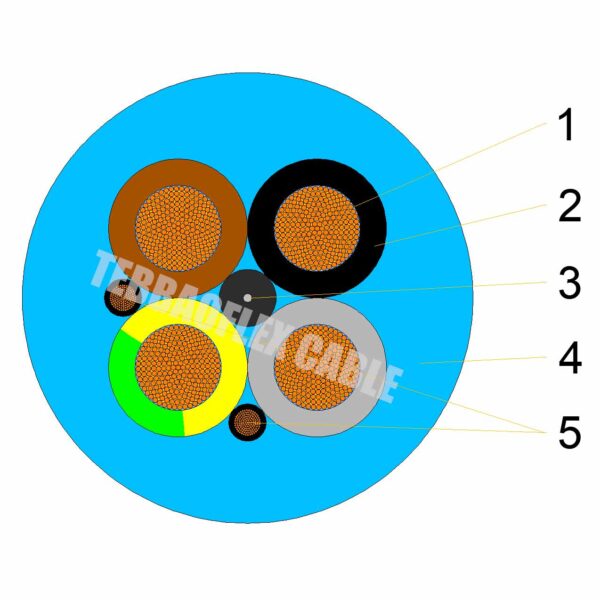
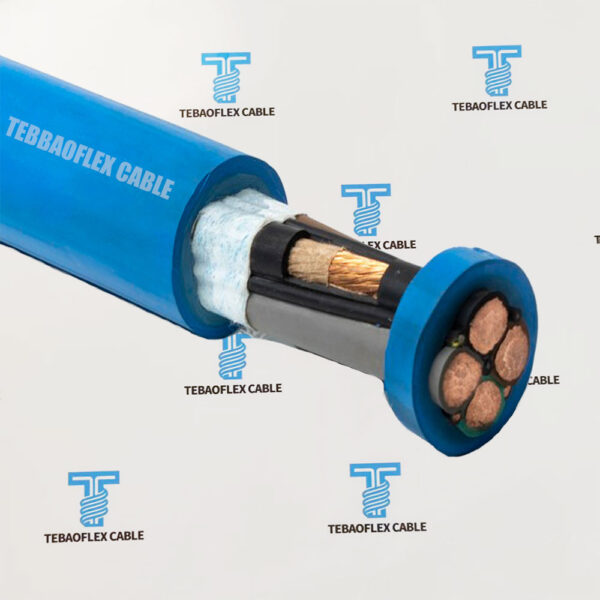
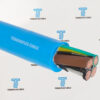
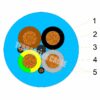
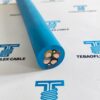
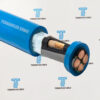
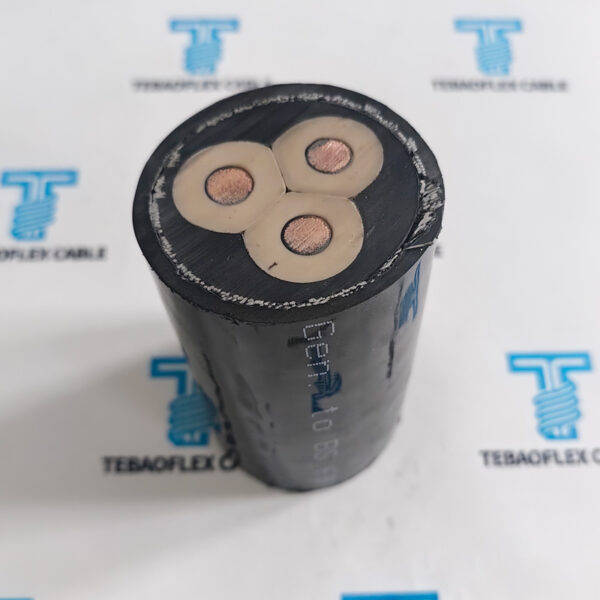
ELCOSUB (N)TMH3S P2 is a 0.6/2 kV flexible rubber-insulated cable for electrical equipment that works under water: submersible pumps, water-level lowering systems and booster plants. Three power cores, a green/yellow earth core and two insulated pilot cores are cabled together under a rubberized cotton binder tape and covered by a blue thermoplastic polyurethane (TPU) sheath. P2 in the name stands for this TPU sheath grade.
The cable is designed for medium mechanical stresses in water. It can be used in drinking water, cooling water, surface water and rainwater, and in groundwater and seawater down to 2000 m water depth. It suits indoor and outdoor installations in industrial and agricultural plant, but it is not intended for areas with an explosion hazard.
Browse the submersible pump cable category for related cables.
Application & Features
Selection overview
A submersible pump cable is installed once and then lives in water for years. It hangs in a well or shaft between the pump and the well head, it is pulled up with the pump at every service, and it lies in sumps and ditches where water, mud and abrasive solids work on the sheath. ELCOSUB (N)TMH3S P2 is built for that duty: fine-stranded tinned copper that tolerates repeated handling, EPR insulation for a 90 °C conductor temperature, and a TPU sheath that resists abrasion, impact, tearing and oil. The two pilot cores run beside the power cores, so control or monitoring circuits for the pump can share the same cable instead of a second one.
In mining, the cable serves as the main power feed of drainage pumps in flooded underground workings, as the supply for wet-shaft and sump pumps, as a long-term submerged fixed connection in mine pits and for dewatering equipment at coastal mines. Open-pit operations also use it as trailing power cable for mobile equipment that works in water. Water chemistry matters in every case: the cable must not be used in water containing more than 0.5 mg/l of chlorine, and corrosive water or water of a special composition is checked case by case.
- Submersible pumps and dewateringPower and pilot cores in one cable for pumps, water-level lowering and booster plants.
- Mine drainageMain feed for drainage pumps in flooded workings, wet shafts and sumps, including coastal mine dewatering.
- Wide range of water typesDrinking, cooling, surface, rain, ground and sea water, down to 2000 m water depth.
- Tough TPU sheathBlue P2 polyurethane sheath resists abrasion, impact, tearing and oil and stays flexible in the cold.
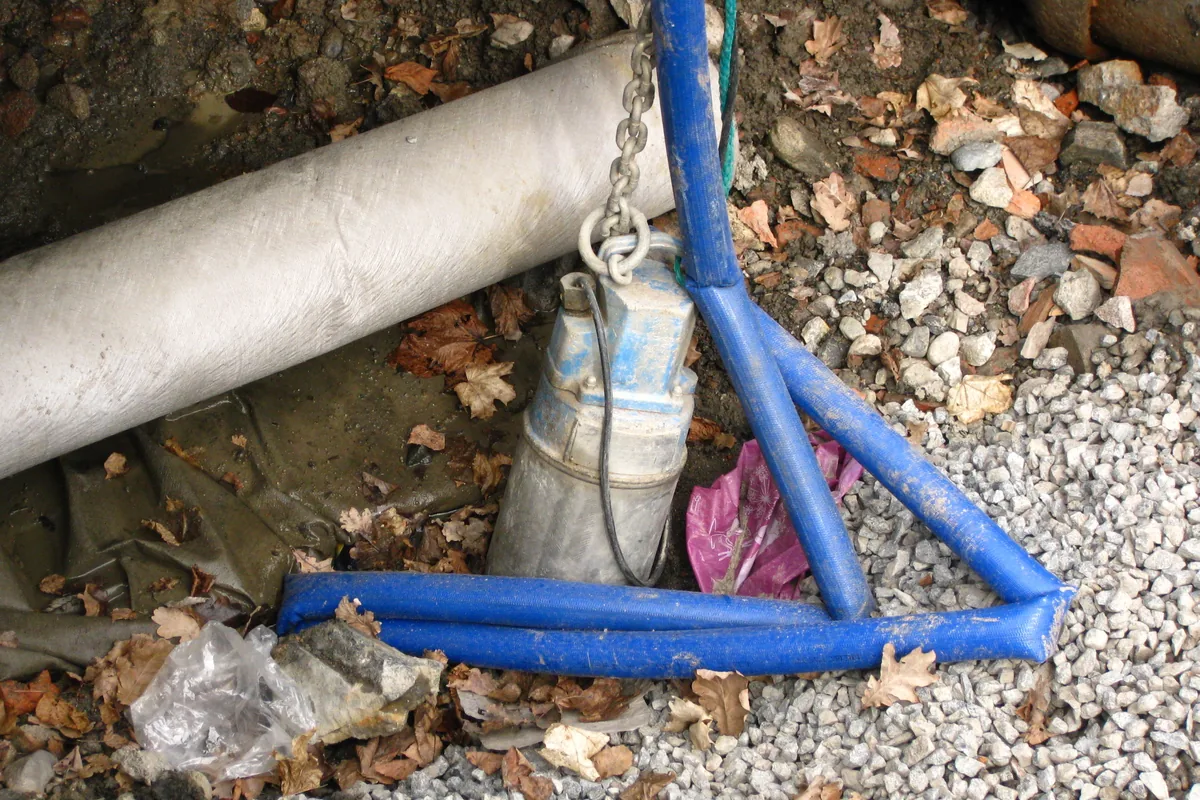
Specifications
Technical data
Values from the current TEBAOFLEX ELCOSUB (N)TMH3S P2 datasheet. The final construction is confirmed on the approved datasheet for your order.
Electrical, construction and material data
| Parameter | Value |
|---|---|
| Rated voltage | 0.6/2 kV (600/2000 V) |
| Conductor | Finely stranded, tin-coated flexible copper, Class 5 to IEC 60228 |
| Separator | Suitable tape separator between conductor and insulation where needed |
| Insulation | EPR rubber, 90 °C, type 3GI3 to DIN VDE 0207 |
| Core colours | Brown, black, grey + green/yellow |
| Core identification | Up to 5 cores: DIN VDE 0293-308; more than 5 cores: DIN EN 50525-1 Annex D |
| Assembly | Three power cores and earth core with two insulated pilot cores in the interstices, cabled together; rubberized cotton binder tape overall |
| Outer sheath (P2) | Thermoplastic polyurethane (TPU); abrasion, impact, tear and oil resistant |
| Sheath colour | Blue |
| Test voltage, power cores | 7 kV AC, 5 min |
| Test voltage, insulated pilot cores | 2.0 kV AC, 5 min |
| Permissible AC voltage for motor tests | 3 kV for a maximum of 3 minutes |
| Flame retardance | VDE 0482-332-1-2, IEC 60332-1-2 |
| Oil resistance | EN 60811-404 |
| UV and ozone | UV resistant, ozone resistant |
| Water resistance | DIN EN 50525-2-21 |
Water, temperature and bending limits
| Parameter | Value |
|---|---|
| Max. permissible temperature at conductor | 90 °C |
| Max. short-circuit temperature of the conductor | 250 °C |
| Max. permissible water temperature | 60 °C (higher water temperatures shorten the cable service life) |
| Min. ambient temperature, fixed installation | -50 °C |
| Min. ambient temperature, fully flexible operation | -50 °C |
| Max. water depth (groundwater and seawater) | 2000 m |
| Max. chlorine content of the water | 0.5 mg/l |
| Min. bending radius, fixed installation | 4 × d |
| Min. bending radius, mobile | 6 × d |
| Min. bending radius, S-shape deflection | 15 × d |
| d | Cable outer diameter |
Selection note: before ordering, ask our engineers to confirm the power and pilot core cross-sections, the overall diameter, the weight and the current rating for your pump motor, and send a water analysis if the water is corrosive or of a special composition.
Standards & References
Applicable standards and compliance
- Construction referencesTinned copper conductors to IEC 60228 Class 5; EPR insulation type 3GI3 to DIN VDE 0207; core identification to DIN VDE 0293-308 and DIN EN 50525-1 Annex D.
- Water and use referencesWater resistance to DIN EN 50525-2-21; in other respects the use guidance of DIN EN 50565-2 applies.
- Fire and oil referencesFlame retardance to VDE 0482-332-1-2 and IEC 60332-1-2; oil resistance to EN 60811-404.
- Voltage scopeRated 0.6/2 kV; permissible AC voltage for motor tests 3 kV for a maximum of 3 minutes.
- ApprovalsDrinking-water approvals, third-party test reports and marking requirements are confirmed and quoted per order.
Construction
Material and build-up
ELCOSUB (N)TMH3S P2 is a multi-core submersible cable. Three power cores and a green/yellow earth core are cabled together with two insulated pilot cores in the gaps between them, held by a rubberized cotton binder tape and covered by a single TPU sheath.
- Conductor: finely stranded, tin-coated flexible copper to IEC 60228 Class 5. Tinning protects the fine wires in permanently wet service.
- Separator: a suitable tape between conductor and insulation where the construction needs it.
- Insulation: EPR rubber type 3GI3 to DIN VDE 0207 for a 90 °C conductor temperature. Power cores are brown, black and grey; the earth core is green/yellow.
- Pilot cores: two insulated pilot cores in the interstices of the power cores, tested at 2.0 kV AC for 5 min, for control or monitoring circuits.
- Binder: rubberized cotton binder tape applied over the cabled cores.
- Outer sheath (P2): blue thermoplastic polyurethane (TPU), resistant to abrasion, impact, tearing and oil. The P2 grade replaces the chloroprene (CR) rubber sheath of the P1 version.
FAQ
Selection questions
What does ELCOSUB (N)TMH3S P2 mean?
ELCOSUB marks the submersible version of this cable, with SUB standing for subsurface use. (N)TM places the design in the DIN VDE 0250 family of flexible rubber cables with a single sheath layer. P2 is the outer sheath grade: P2 is a thermoplastic polyurethane (TPU) sheath, while P1 is the standard chloroprene (CR) rubber sheath. This version carries three power cores, an earth core and two insulated pilot cores.
Can the cable be used in drinking water and seawater?
Yes. It is suitable for drinking water, cooling water, surface water and rainwater, and for groundwater and seawater down to 2000 m water depth. Keep the water at or below 60 °C, because higher temperatures shorten the service life, and do not use the cable in water with more than 0.5 mg/l of chlorine. If the water is corrosive or of a special composition, send an analysis so our engineers can check the case. Drinking-water approval documents are confirmed with the quotation.
How should the cable be installed and handled?
Keep to the minimum bending radius: 4 × d for fixed installation, 6 × d for mobile use and 15 × d where the cable passes through an S-shaped deflection, d being the cable outer diameter. Hang the pump from its riser pipe or a rope and strap the cable to it, so the cable does not carry the pump. If the motor is tested with the cable connected, the permissible AC test voltage is 3 kV for a maximum of 3 minutes.
How does it compare with the flat S1BNH2-F submersible cable?
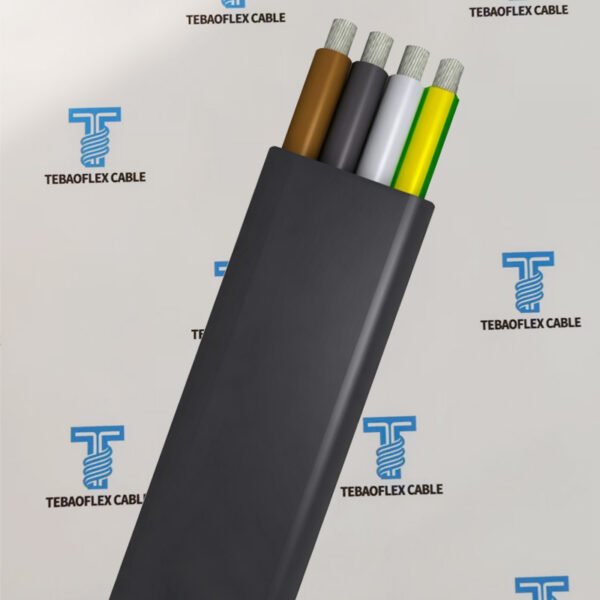
S1BNH2-F is a flat 0.6/1 kV rubber-sheathed cable whose cores lie side by side, which helps in narrow wells. ELCOSUB (N)TMH3S P2 is a cabled multi-core design with pilot cores, a polyurethane sheath, a 0.6/2 kV rating and a deeper water depth limit. Choose the flat cable when space between riser and casing is tight; choose (N)TMH3S P2 when you need pilot cores or a tougher sheath. Both are in the submersible pump cable category.
What should I send for a quotation?
Send the size of the power cores and the pilot-core requirement, the length per pump and the number of pumps, the motor rating and starting method, the water type and temperature, the installation depth, and any drinking-water approval or sheath marking you need. Our engineers confirm the construction and return the datasheet with the quotation.
Request this cable.
Send the core sizes, length per pump, motor rating, water type and temperature, installation depth and any drinking-water approval you need.
Quality Assurance
Testing at every stage in our own workshop and laboratory, from incoming copper to the packed drum.
Raw Material Inspection
Every batch of copper rod, rubber compound and reinforcing material is checked before it reaches the line.
- Copper: conductor resistance, elongation and surface condition on incoming rod and drawn wire
- EPR, CPE, PUR and silicone compounds: hardness, tensile strength, elongation and ageing samples from each mix
- Suppliers and batch numbers are recorded so every drum can be traced back to its materials
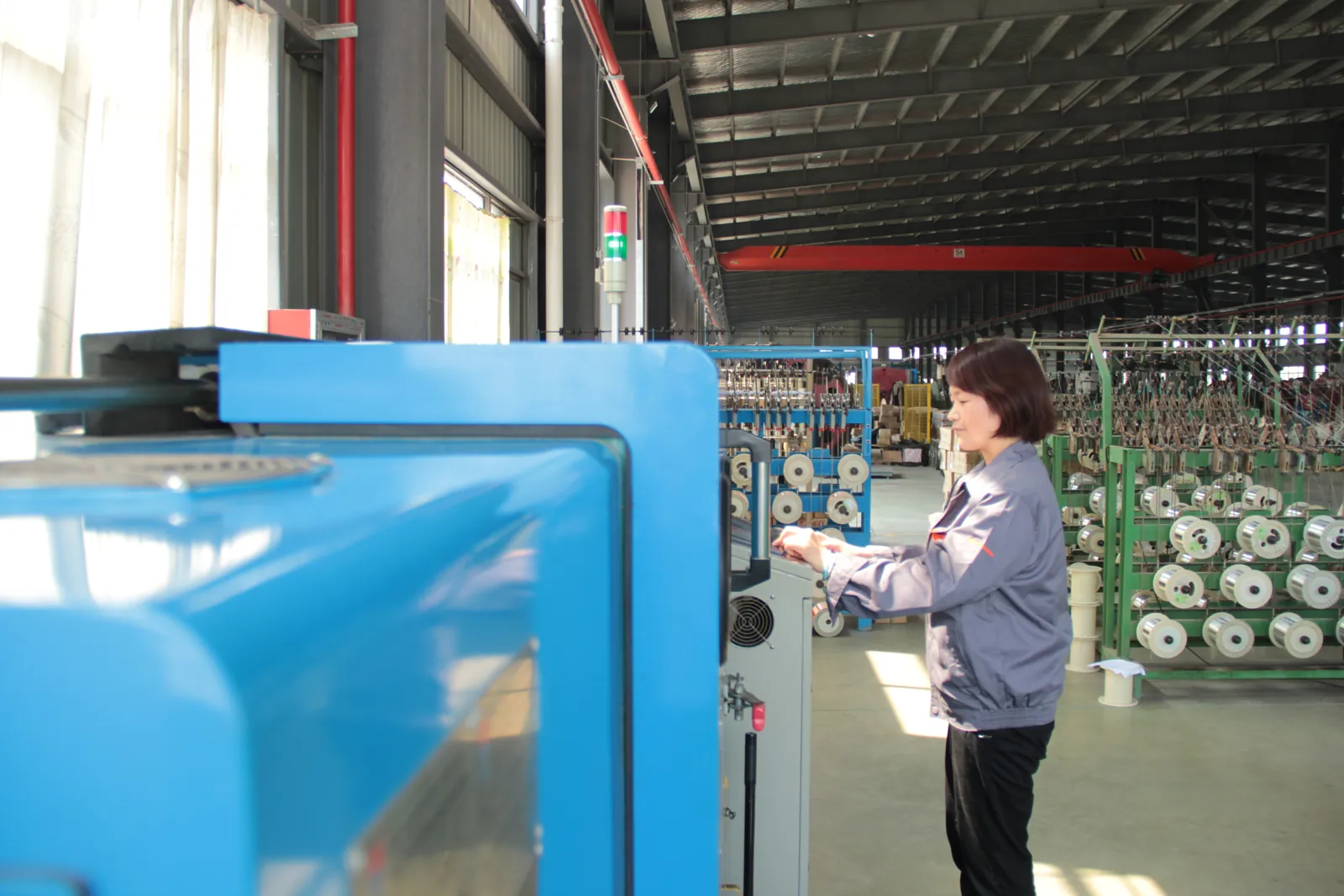
Manufacturing Process Control
Stranding, insulation extrusion, core assembly and sheathing run under recorded process parameters.
- Class 5/6 stranding with lay length and tension monitored for trailing and reeling flexibility
- Continuous-vulcanisation extrusion with wall thickness and spark tests logged on every length
- Operators sign off each stage before the cable moves to the next machine
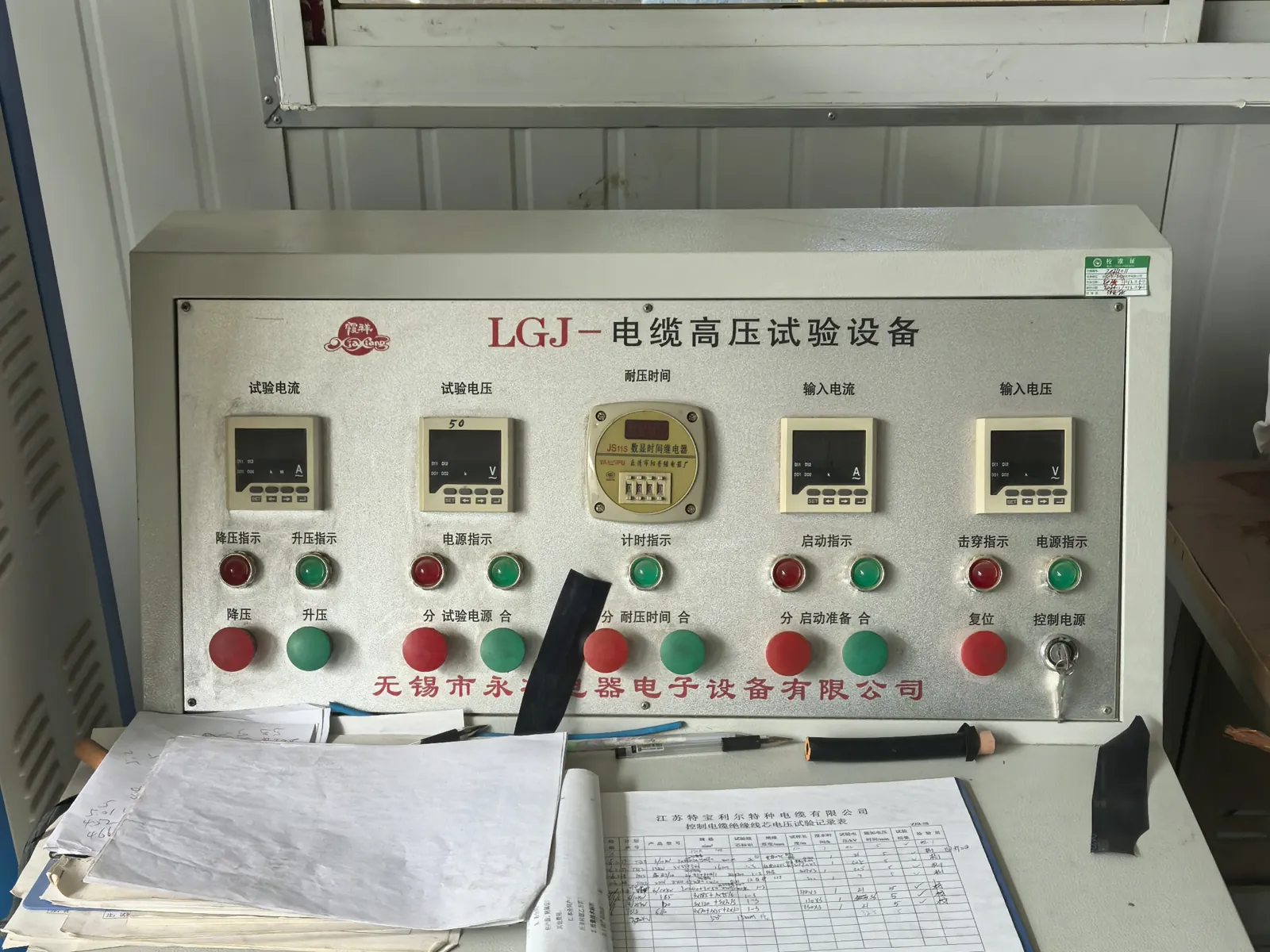
Electrical Testing
Finished lengths go through the routine tests required by the referenced VDE, ICEA, IEC or NEK standard.
- Conductor resistance and insulation resistance on every length
- Voltage withstand (3.5 kV and higher) and partial-discharge measurement in the shielded HV laboratory
- Screen and pilot-core continuity checks for mining and reeling constructions
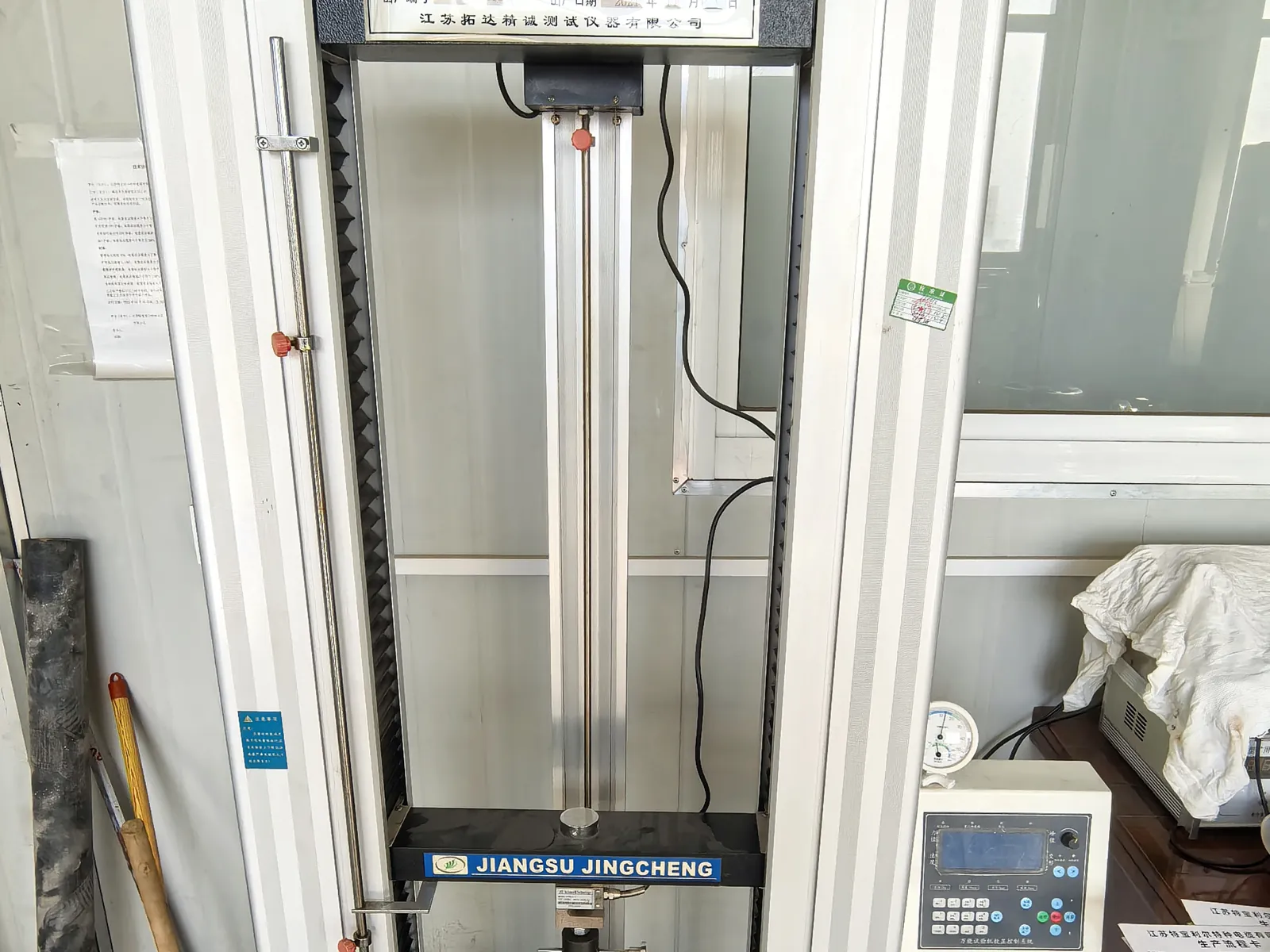
Mechanical and Ageing Tests
Samples from production are tested for the duty a mining, crane or submersible cable will actually see.
- Tensile strength and elongation of insulation and sheath before and after ageing
- Hot-set, ozone, oil-immersion and low-temperature bending tests
- Constant-temperature water bath for insulation resistance of submersible constructions
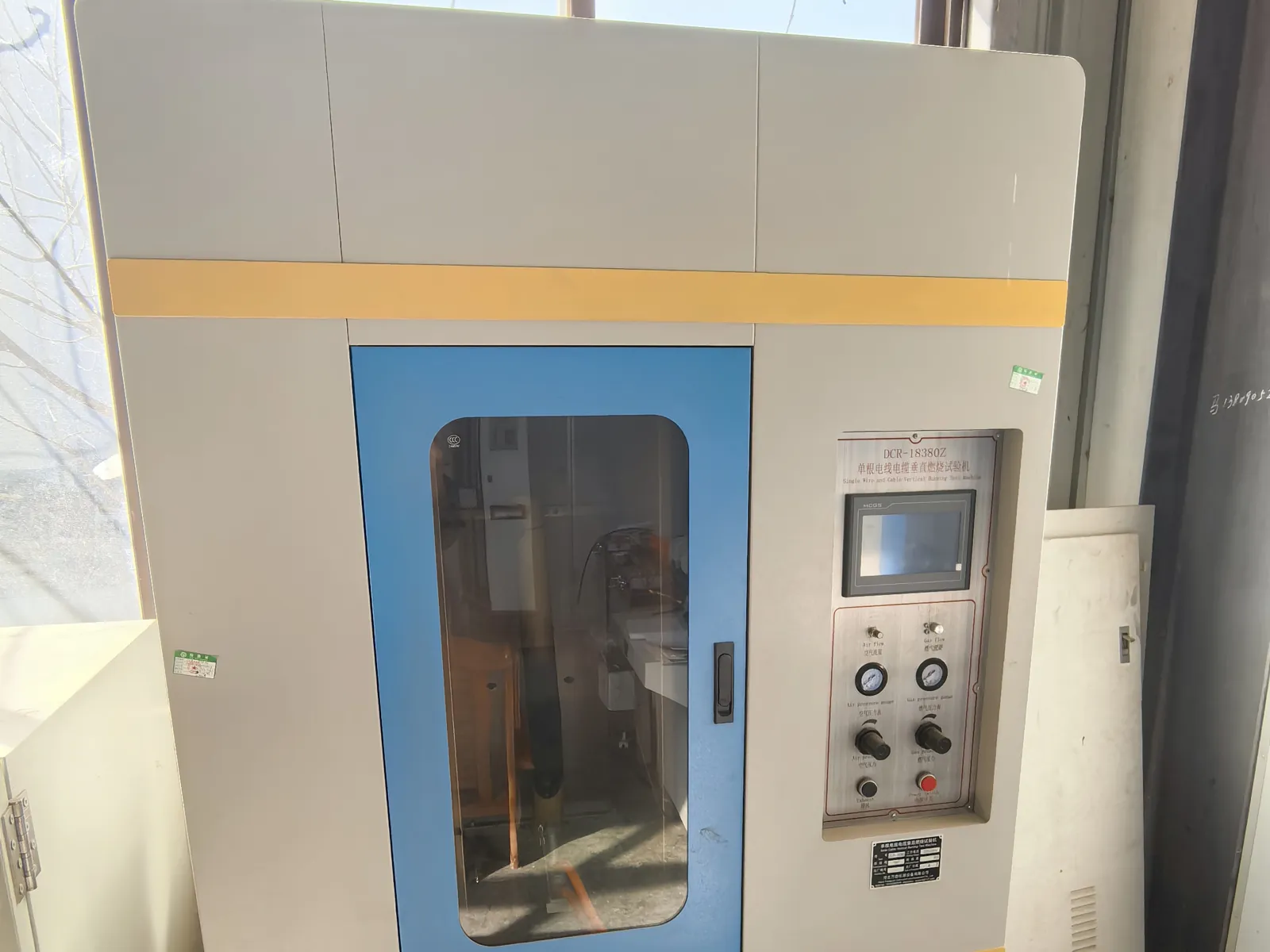
Flame Test and Final Inspection
Before packing, the cable is checked against the order and the flame-performance requirement of its standard.
- Single-cable vertical flame test to IEC 60332-1-2 where specified
- Metre marking, printing, drum length and appearance inspection
- Test report and packing list issued with every shipment
Related products
Need Pricing for This Cable?
Tell us the length, cores, cross-section and delivery country and we will reply with a quotation and datasheet.