6.6 kV 3PNCT Cable Replacement for a Hai Phong Port Project
A Hai Phong port project requested 6.6 kV 3PNCT 3 × 50 mm² cable. Review reel fit, dimensional checks and delivery documents before replacement.

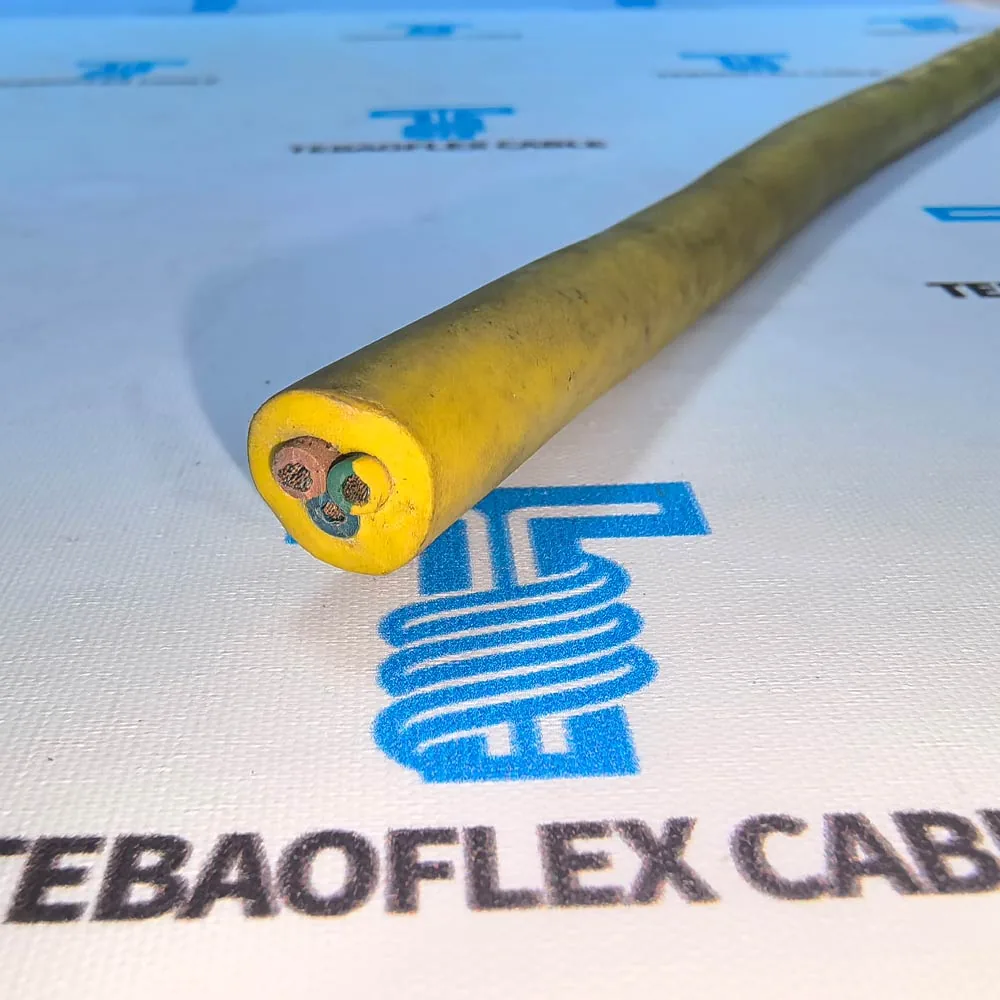
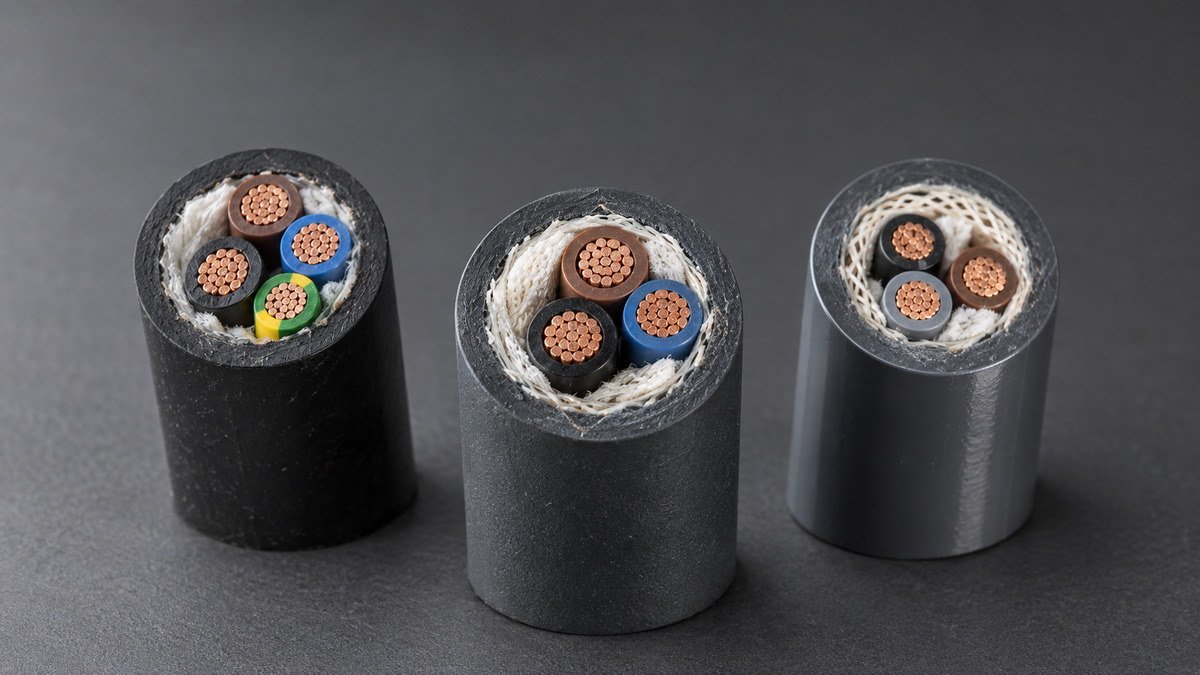
A port project in Hai Phong, Vietnam, requested a 6.6 kV 3PNCT cable with a 3 × 50 mm² conductor configuration to replace an existing reeling cable. Before selecting a replacement, confirm the full electrical construction, finished cable dimensions and reel duty against the equipment. Project requirement: TEBAOFLEX project brief, October 2026.
Before approving the replacement: Match the electrical construction, finished cable dimensions and moving duty to the equipment. Put the agreed drawing, inspection records and continuous-length requirement in the order.
What did the Hai Phong replacement project require?
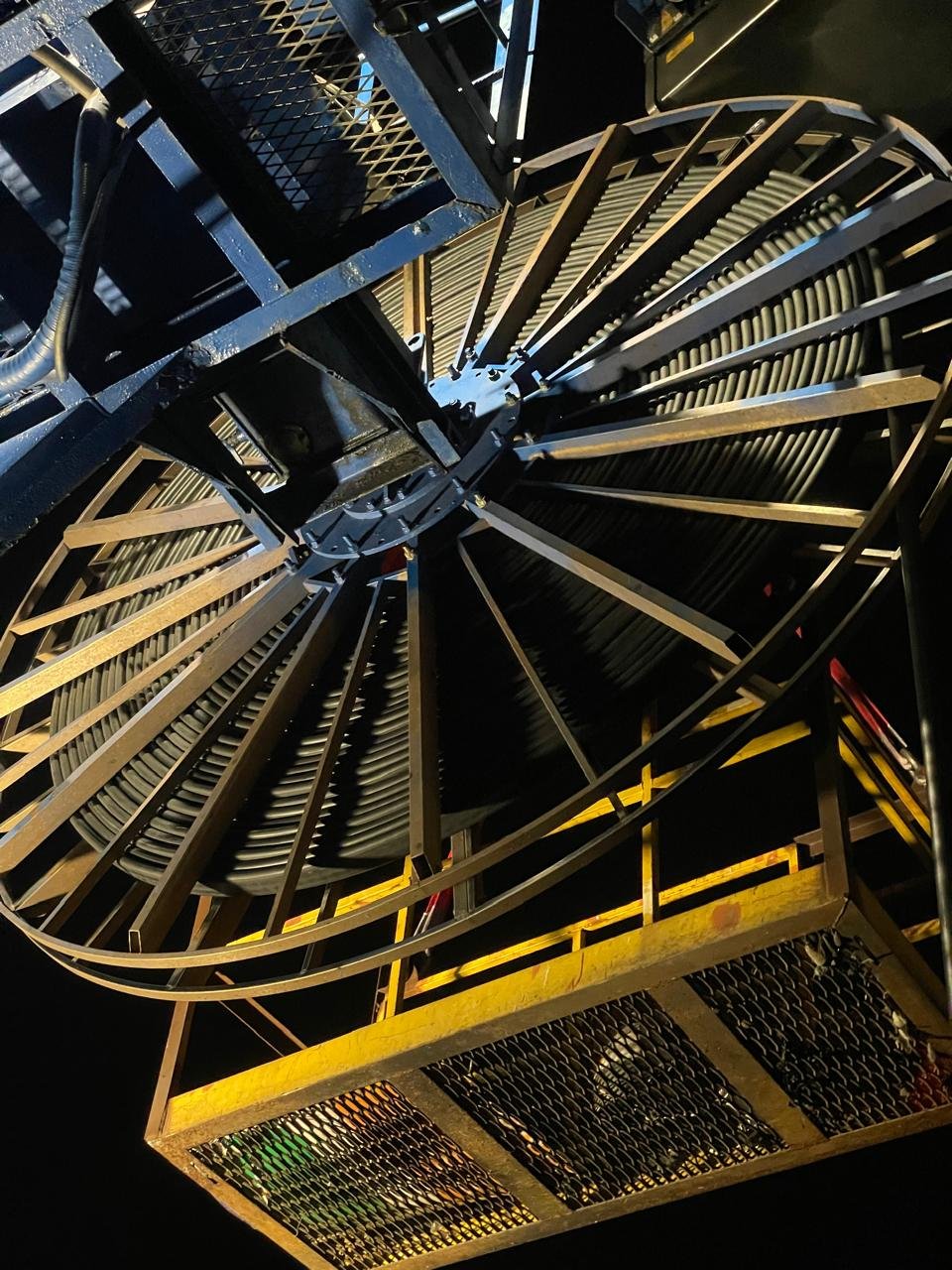
The Hai Phong project called for a replacement cable for existing port reeling equipment. Use the project requirement as the starting point, then confirm the complete construction and interfaces on the order-specific drawing.
| Item | Project requirement |
|---|---|
| Location | Hai Phong, Vietnam |
| Application | Port equipment with a cable reel |
| Work scope | Replacement of an existing reeling cable |
| Requested cable | 6.6 kV 3PNCT |
| Requested conductor configuration | 3 × 50 mm² |
Compare TEBAOFLEX cable ranges by application
Start with the PNCT range when checking an existing PNCT designation. Review CUR PNCT for festoon duty, or R-(N)TSCGEWOEU when comparing a separate medium-voltage reeling construction. Select the product family by the handling system and electrical duty, then confirm the exact variant.
| Product range | Choose this page when | Confirm before selection |
|---|---|---|
| PNCT crane reeling and festoon cables | You need to identify a PNCT variant. This catalogue focuses on 600 V products; review medium-voltage variants separately. | Confirm the full model, voltage designation, conductor arrangement and moving duty. Request a drawing specifically covering the required 6.6 kV 3PNCT 3 × 50 mm² construction. |
| 600 V CUR-2PNCT / CUR-3PNCT festoon cables | The cable travels in suspended loops supported by a festoon trolley system. | Festoon travel and the selected variant’s electrical rating. The listed 600 V range is not a direct substitute for this 6.6 kV reeling requirement. |
| R-(N)TSCGEWOEU and FO medium-voltage reeling cables | You are comparing a different medium-voltage family for reel-fed equipment, including an FO variant where fiber optics are required. | Voltage designation, conductor and earth arrangement, any fiber-optic requirement, finished dimensions and reel duty. A different family requires a construction and equipment compatibility review. |
The PNCT product page is a family overview, not an approved specification for this Hai Phong replacement. A shared “3PNCT” designation alone does not confirm the same voltage rating, dimensions or reel suitability.
If the handling arrangement is still unclear, the port crane cable selection guide explains the reeling, festoon and basket routes before you compare individual products.
Which details determine whether a replacement fits the reel?
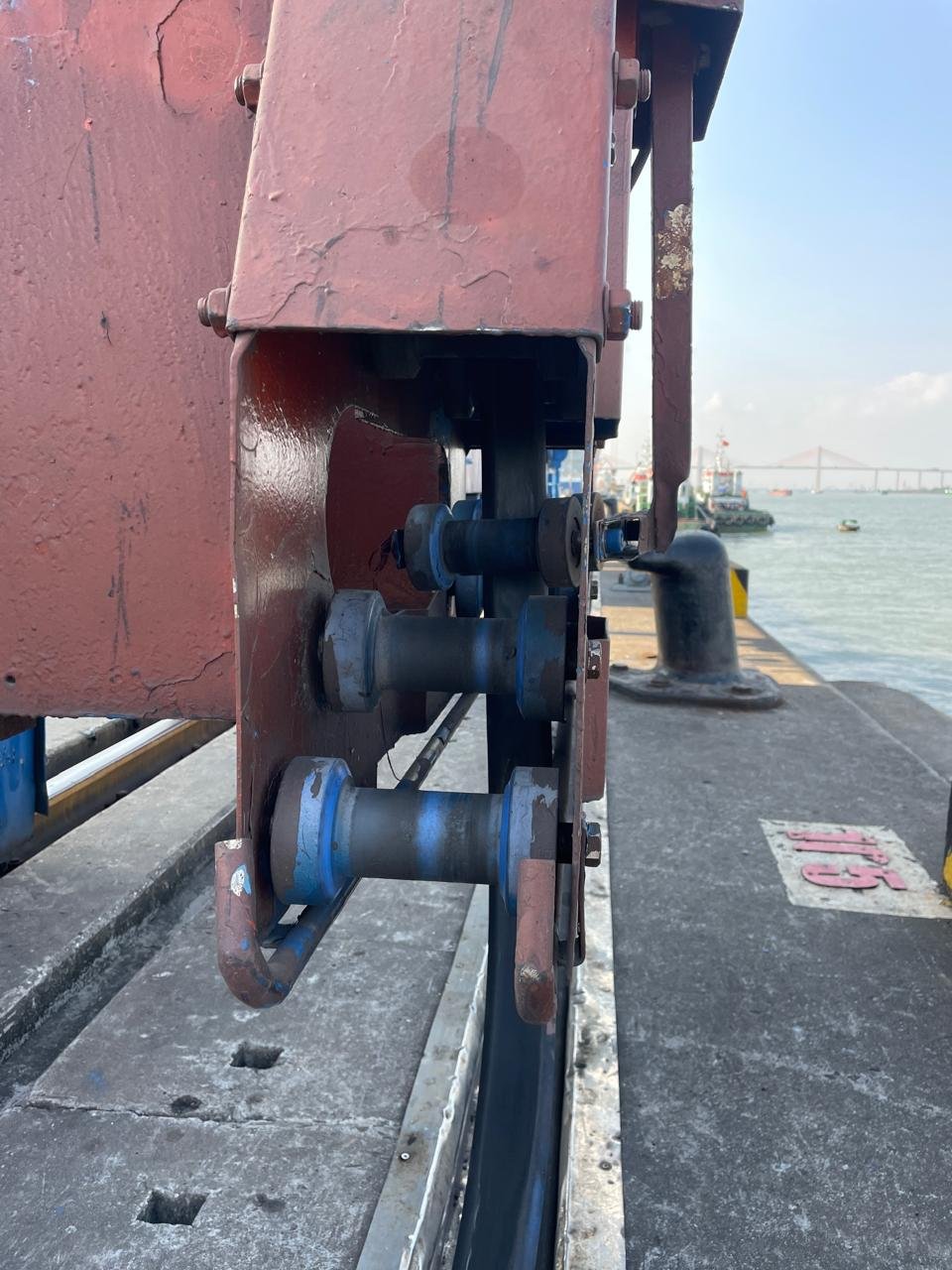
Replacement fit depends on the finished cable geometry, bending direction, reel dimensions and guide arrangement. Check width and thickness for a flat construction, or outside diameter for a round construction, against the equipment clearances.
Matching the model name and conductor size does not establish reel compatibility. Submit the equipment data with the old cable drawing or marking, then agree the replacement construction and operating limits.
| Review point | Information to submit | What to agree before approval |
|---|---|---|
| Electrical duty | System voltage, grounding, screens and termination interfaces | Full cable voltage designation and electrical construction |
| Cable geometry | Reel, guides and attachment clearances | Section drawing with shape, finished dimensions, tolerances and mass |
| Moving duty | Reel and guide dimensions, bend direction, travel, speed and operating cycles | Movement conditions used to select the construction |
| Mechanical loading | Reel tension, suspended length, acceleration and direction changes | Permitted loading limits for the selected cable and equipment |
| Site exposure | Water, salt, named oils or chemicals, sunlight, contact duration and temperature | Sheath material appropriate to the stated contact conditions |
Confirm the operating limits in the approved cable drawing and equipment documentation. Use those agreed limits when checking the reel and guide arrangement before installation.
Which drawing and inspection records should you agree?
Agree the order-specific section drawing, dimensional tolerances and inspection plan before manufacture. The handover should let the equipment team compare the delivered cable with the same approved requirements.
Ask for dimensional inspection points during production and a finished-cable measurement record. The record should identify the ordered construction and the dimensions, units and tolerances on its approved drawing.
The inspection plan should name the methods, conditions and acceptance criteria. Agree which conductor-resistance, insulation, voltage-withstand, dimensional, marking, length and appearance checks the order requires.
Ask for the resulting inspection records under the same order reference. Use the certificate scope and verification guidance to check which documents apply to the exact construction, voltage and destination market.
What should the delivery agreement cover?
The delivery agreement should connect the physical cable, drum labels and inspection records to the same order. Confirm the identification and handling information the receiving team will need before dispatch.
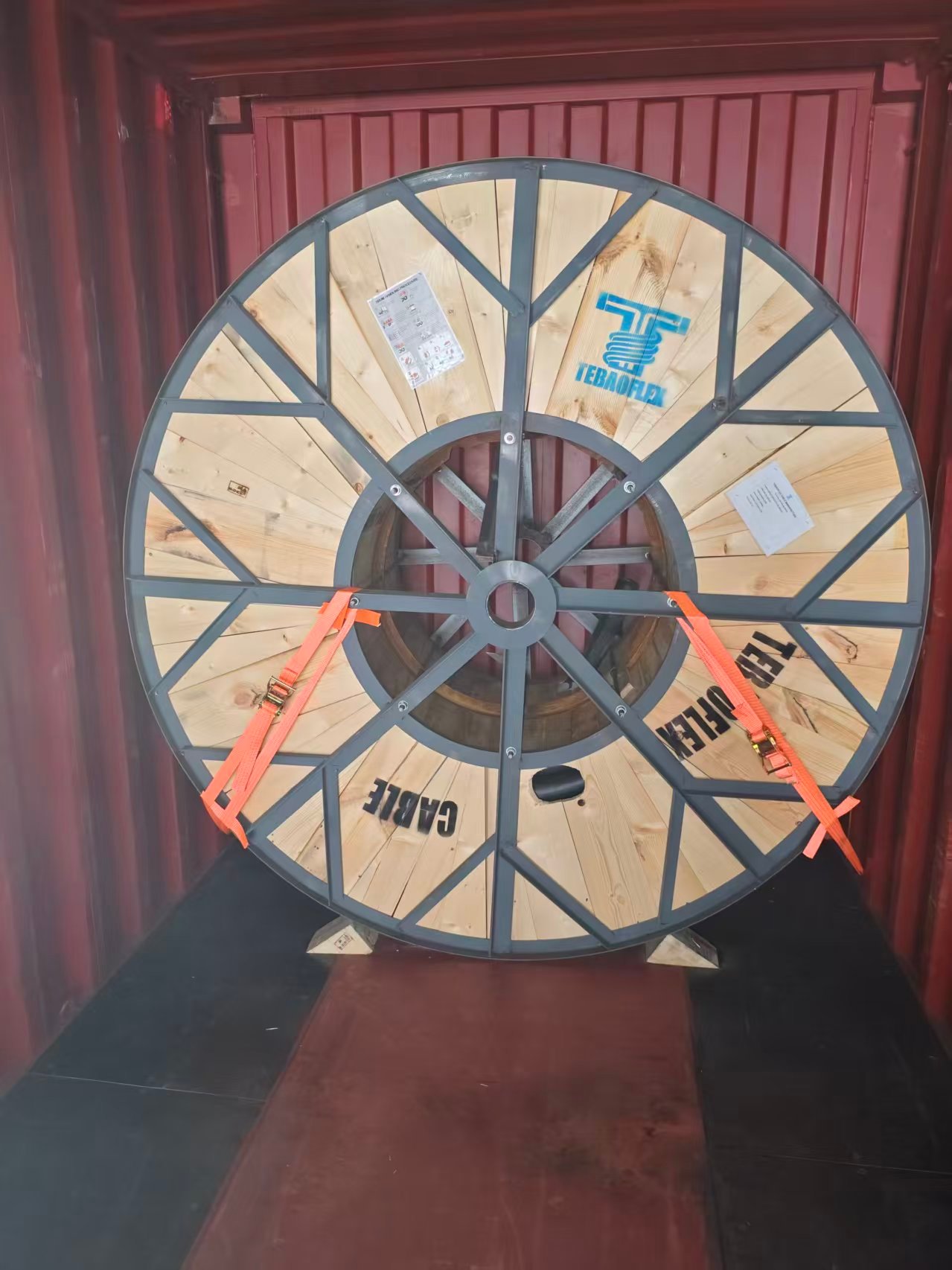
Include drum dimensions, lifting information, cable-end protection and identification in the delivery review. Request packaging photographs that show the agreed protection and restraint arrangements.
Specify the required continuous length, permitted length tolerance and any prohibition on intermediate joints or repair sections in the order. Agree how those requirements will be verified.
Work back from the planned shutdown to agree drawing approval, inspection, dispatch and site receipt. Confirm the current production and transport schedule before assigning a fixed replacement date.
What should you send for a similar replacement?
A replacement inquiry should combine the old cable identity with the machine’s operating data. Send one package so the cable supplier and equipment team can review the same conditions:
- Readable photographs of the cable marking, end and section, plus the existing cable drawing if available.
- The full voltage designation, conductor arrangement, screen and grounding requirements.
- Reel and guide dimensions, cable route, travel, speed and tension information.
- Site exposure, continuous-length requirement, replacement window and the equipment owner’s inspection and acceptance requirements.
Use the cable marking and equipment data to request a project-specific replacement review. Ask which construction is proposed, which reel interfaces still need confirmation, and which drawing and inspection documents are needed for order approval.