

NTMTWOEU Mine Hoist Cable Manufacturer | Underground Mining Lift Cable
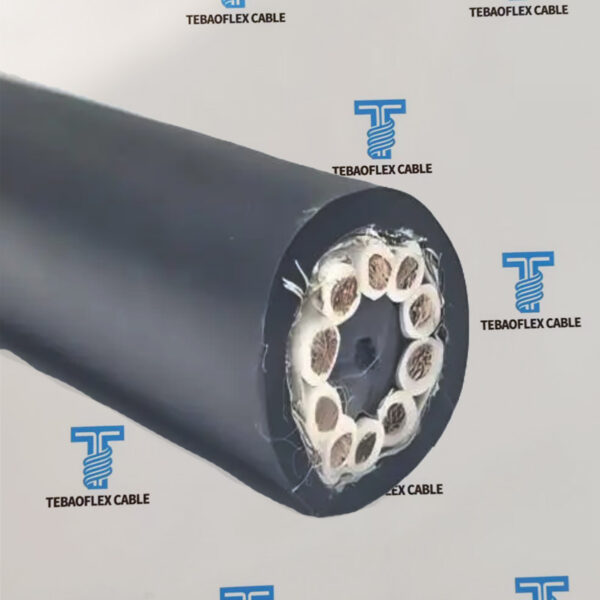
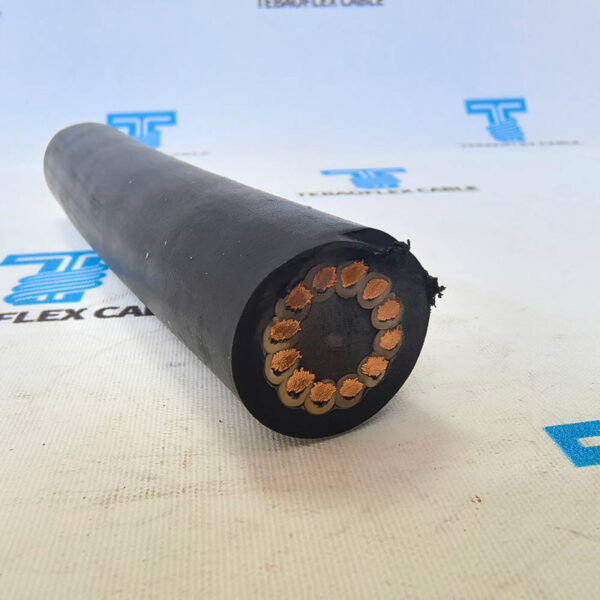
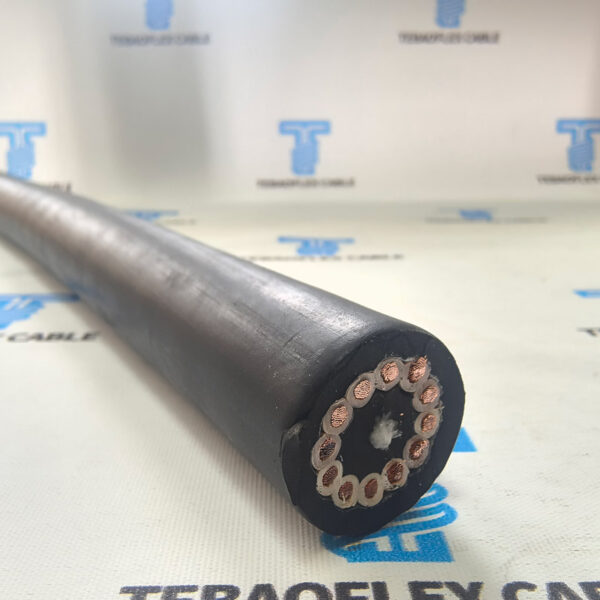
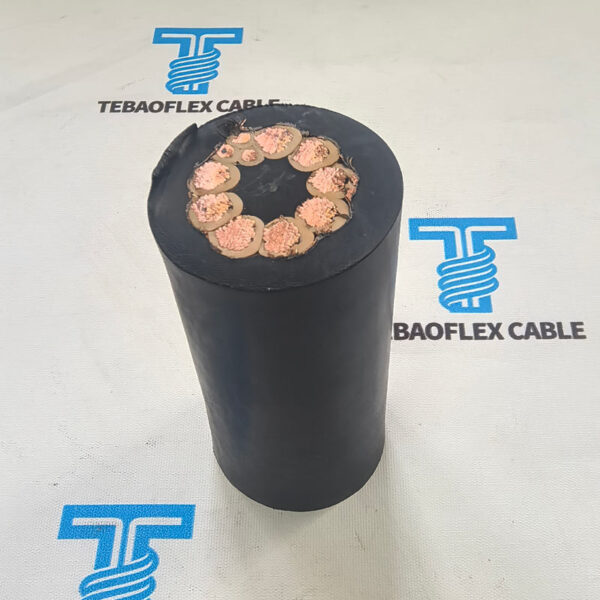
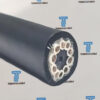
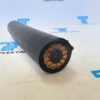
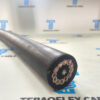
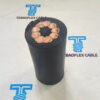
NTMTWOEU Mine Hoist Cable is a flexible rubber-sheathed mining cable designed for suspended installation in underground mine hoist systems. The cable combines control and telephone connections with a central steel support element and anti-torsion braid for suspended mine-hoist duty.
- StandardVDE 0250 Part 813
- ConductorTinned Cu, Class 5
- InsulationEPR Type 3GI3
- Outer sheathPCP rubber Type 5GM5
- Support elementCentral galvanized steel
- Communication coreShielded telephone-type
- Overall diameter21.7 – 42.0 mm
- Weight (approx.)800 – 2145 kg/km
NTMTWOEU Mine Hoist Cable is a flexible rubber-sheathed mining cable designed for suspended installation in underground mine hoist systems. The cable combines control and telephone connections with a central steel support element and anti-torsion braid for suspended mine-hoist duty.
The cable is widely used in mine lifts, shaft hoists, personnel elevators and material transportation systems where reliable communication between operators and underground personnel is essential.
Manufactured according to VDE 0250 Part 813, NTMTWOEU cables feature tinned copper conductors, EPR insulation, a central steel support element and a PCP rubber outer sheath for superior mechanical strength and long service life in demanding mining conditions.
Application & Features
Selection overview
Compared with conventional flexible mining cables, NTMTWOEU offers:
- Higher tensile load capacity
- Superior vertical suspension performance
- Integrated communication channels
- Reduced cable twisting
- Improved operational safety
- Reliable performance in deep mine shafts
- Enhanced resistance to mechanical stress
- Underground Mine HoistsPersonnel transportation systems.
- Mine Shaft ElevatorsVertical lifting systems.
- Material Hoisting EquipmentOre and equipment transport.
- Underground Lift Control SystemsControl and monitoring circuits.
- Mining Communication SystemsIntegrated telephonic communication.
- Coal Mine Shaft SystemsUnderground coal mining operations.
Specifications
Technical data
Order cable information: NTMTWOEU Mine Hoist Cables
| Number of Cores×Nominal Cross Section | Minimum Overall Diameter | Maximum Overall Diameter | Weight (approx.) kg/km |
|---|---|---|---|
| 8×2.5ST+2x1FM(C) | 21.7 | 23.7 | 800 |
| 8×2.5ST+10x (2x1FM)C | 34.0 | 37.5 | 1450 |
| 14×2.5ST+6x1FM(C) | 27.0 | 31.0 | 1200 |
| 18×2.5ST+6x1FM(C) | 38.0 | 42.0 | 1800 |
| 19×1.5(C)ST+6x (2x1FM)C | 35.1 | 38.1 | 2145 |
Standards & References
Applicable standards
- StandardVDE 0250 Part 813.
- ConductorClass 5 according to DIN VDE 0295 / IEC 60228.
Construction
Material and build-up
- Conductor: Flexible stranded tinned copper conductor, Class 5 according to DIN VDE 0295 / IEC 60228.
- Insulation: EPR (Ethylene Propylene Rubber) Type 3GI3.
- Support Element: Central galvanized steel support element.
- Anti-Torsion Layer: Textile anti-torsion braid.
- Communication Core: Shielded telephone-type pilot conductors.
- Outer Sheath: PCP Rubber Type 5GM5.
More Details
Comparison and references
NTMTWOEU vs Standard Mining Cable
| Feature | NTMTWOEU | Standard Mining Cable |
|---|---|---|
| Suspended Installation | Yes | Limited |
| Central Steel Support | Yes | No |
| Telephone Core | Yes | Optional |
| Anti-Torsion Braid | Yes | Usually No |
| Mine Hoist Application | Excellent | Limited |
Difference between NTMCGCWOEU and NTMTWOEU
Both are European standard heavy-duty rubber flexible cables for mining/industrial use, core differences in structure, conductor & application:
1. NTMCGCWOEU
- Full name: Multi-core cable with concentric earth conductor + control cores
- Structure: Power cores + central concentric earth wire + auxiliary/control cores, overall screened
- Features: Built-in dedicated earth & control lines; enhanced grounding & signal transmission
- Use case: Mining machinery, draglines, LHDs, equipment needing power + control + reliable earthing in harsh sites
2. NTMTWOEU
- Full name: Suspended mine-hoist control cable with telephone-type pilot conductors
- Structure: Flexible tinned-copper conductors, EPR insulation, central steel support, textile anti-torsion braid and PCP outer sheath
- Features: Control and shielded telephone-type pilot connections with central support for vertical duty
- Use case: User-operated underground mine hoists requiring suspended control and telephone connections
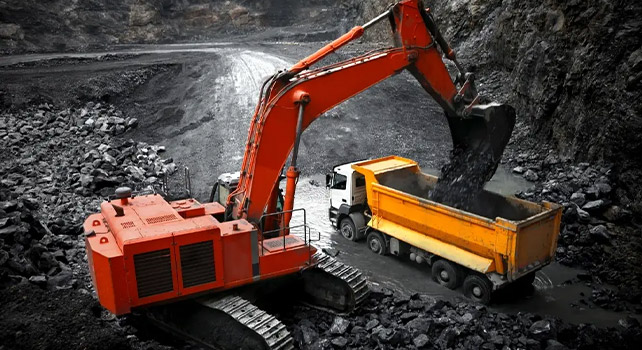
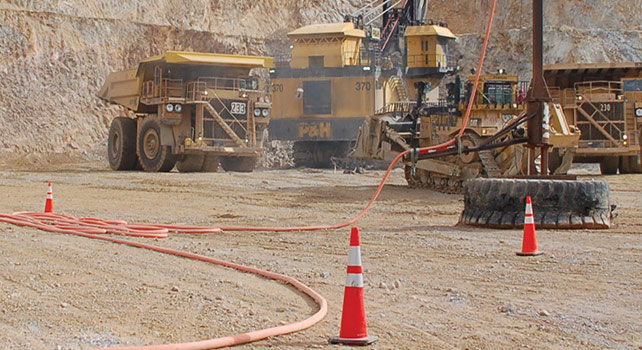
Tebaoflex NTMTWOEU Mine Shaft Hoisting Project
- Location: South America
- Application: Personnel and material hoist system
- Cable Type: NTMTWOEU 18×2.5ST + 6x1FM(C)
- Installation Length: 180m vertical shaft
Benefits:
- Reliable communication
- Improved safety
- Reduced downtime
FAQ
Common questions
1. What is NTMTWOEU cable used for?
NTMTWOEU cable is designed for suspended mine hoist systems in underground mines and provides both control and telecommunication functions.
2. What does the central steel support element do?
It carries the mechanical load of the cable during vertical suspension and protects conductors from excessive tensile stress.
3. Is NTMTWOEU suitable for underground coal mines?
The cable is intended for suspended control and telephone connections in underground mine hoists. Confirm the complete circuit and site requirements before use.
4. What insulation material is used?
EPR type 3GI3 insulation.
5. What outer sheath material is used?
PCP rubber type 5GM5.
6. What standard does NTMTWOEU comply with?
VDE 0250 Part 813.
7. Can NTMTWOEU be customized?
Yes. Different conductor configurations, communication pairs and special compounds can be manufactured upon request.
8. What is the difference between NTMTWOEU and NTSWOEU?
NTMTWOEU is specifically designed for mine hoists with integrated communication cores and central support elements, while NTSWOEU is mainly used for mining loaders.
Request this cable.
Send the core configuration, length and application details.
Quality Assurance
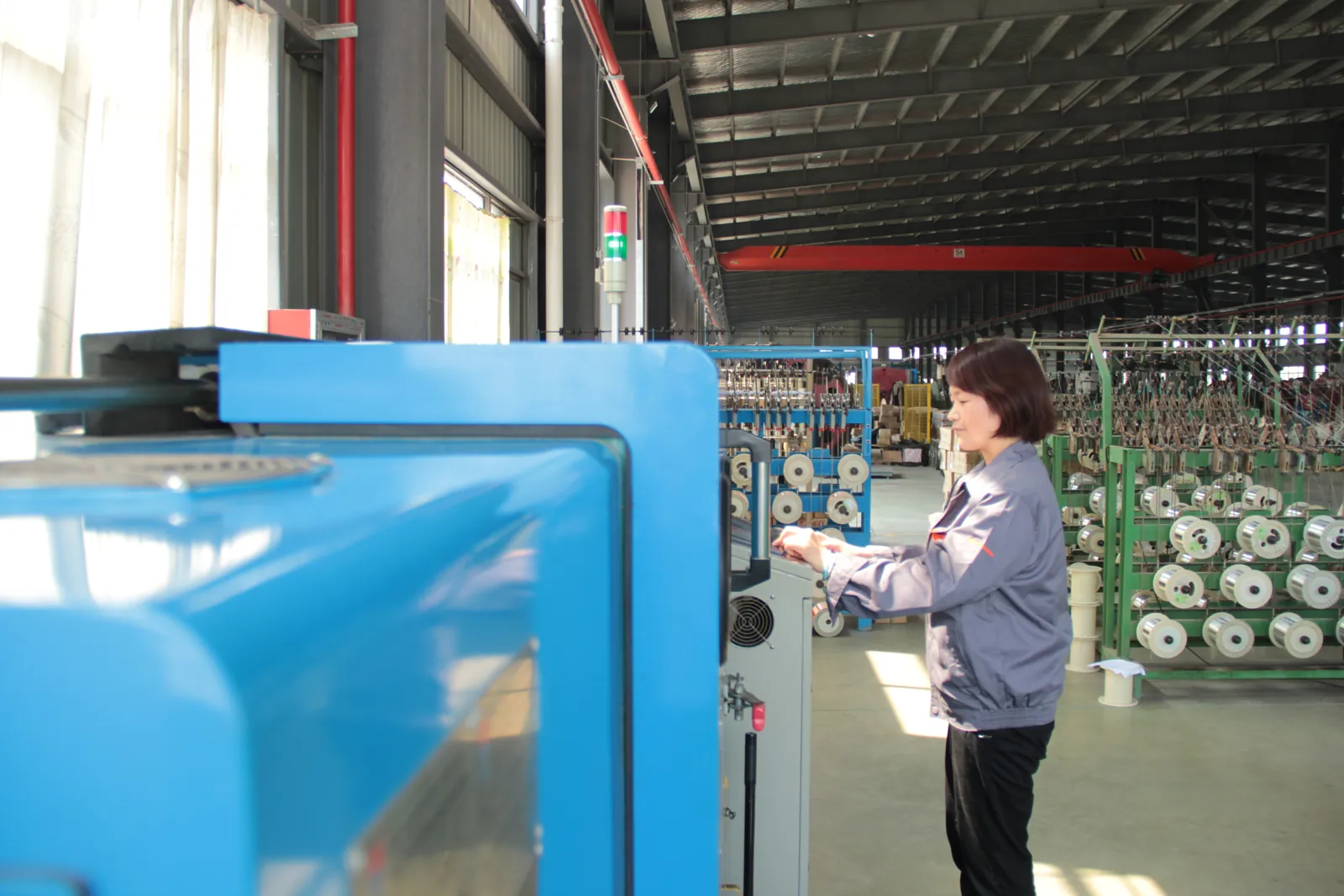
Testing at every stage in our own workshop and laboratory, from incoming copper to the packed drum.

Raw Material Inspection
Every batch of copper rod, rubber compound and reinforcing material is checked before it reaches the line.
- Copper: conductor resistance, elongation and surface condition on incoming rod and drawn wire
- EPR, CPE, PUR and silicone compounds: hardness, tensile strength, elongation and ageing samples from each mix
- Suppliers and batch numbers are recorded so every drum can be traced back to its materials
Manufacturing Process Control
Stranding, insulation extrusion, core assembly and sheathing run under recorded process parameters.
- Class 5/6 stranding with lay length and tension monitored for trailing and reeling flexibility
- Continuous-vulcanisation extrusion with wall thickness and spark tests logged on every length
- Operators sign off each stage before the cable moves to the next machine
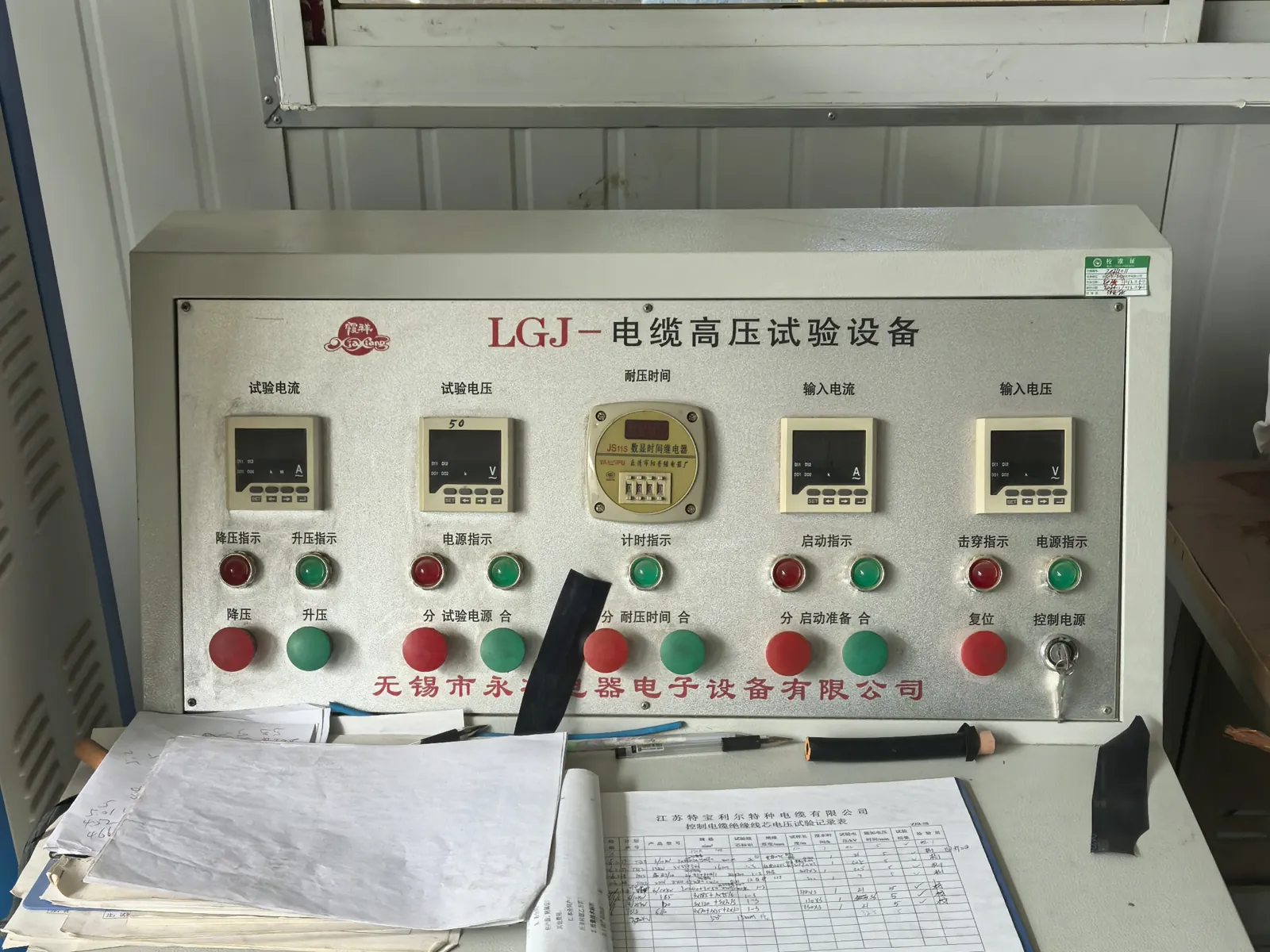
Electrical Testing
Finished lengths go through the routine tests required by the referenced VDE, ICEA, IEC or NEK standard.
- Conductor resistance and insulation resistance on every length
- Voltage withstand (3.5 kV and higher) and partial-discharge measurement in the shielded HV laboratory
- Screen and pilot-core continuity checks for mining and reeling constructions
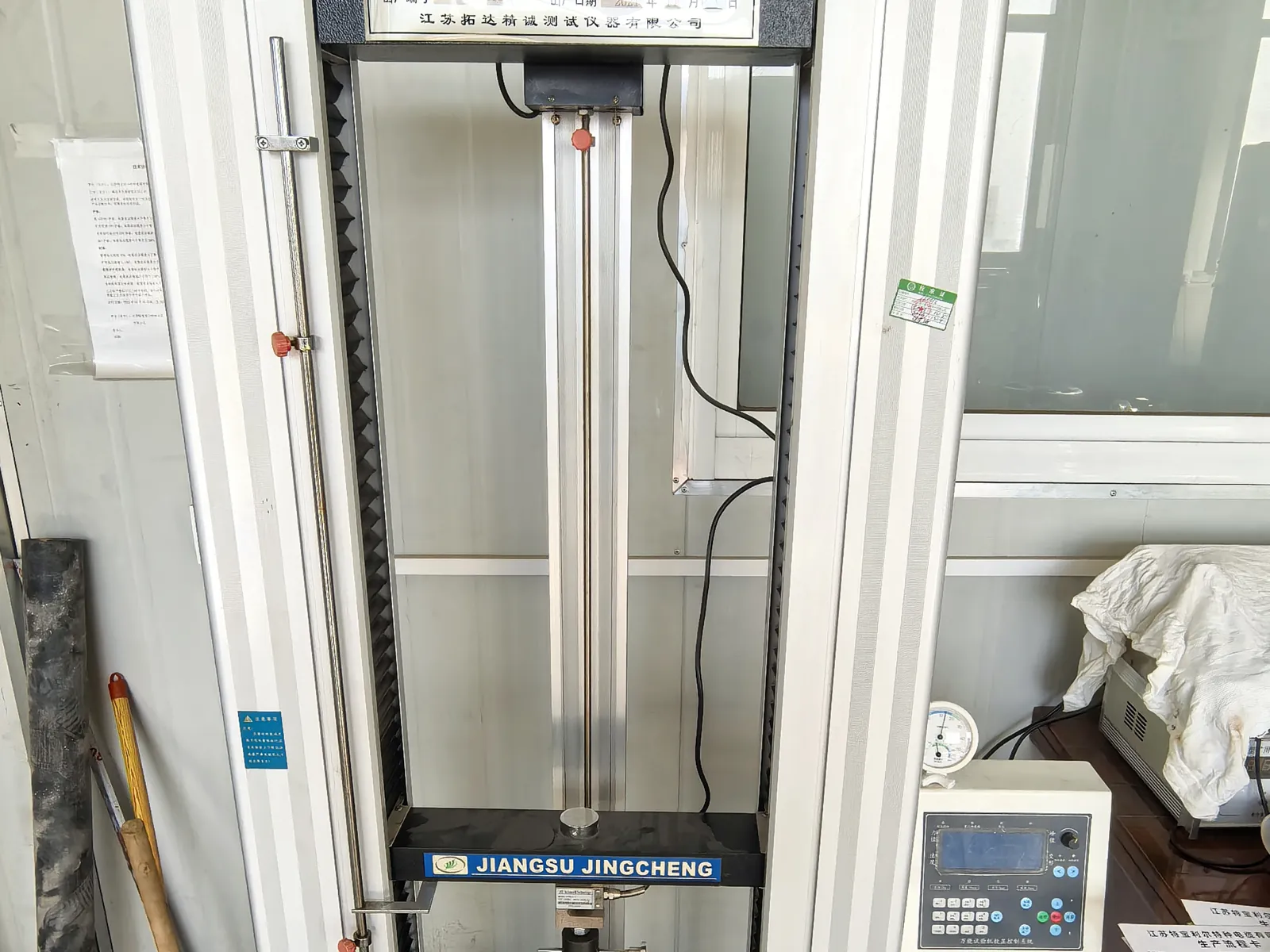
Mechanical and Ageing Tests
Samples from production are tested for the duty a mining, crane or submersible cable will actually see.
- Tensile strength and elongation of insulation and sheath before and after ageing
- Hot-set, ozone, oil-immersion and low-temperature bending tests
- Constant-temperature water bath for insulation resistance of submersible constructions
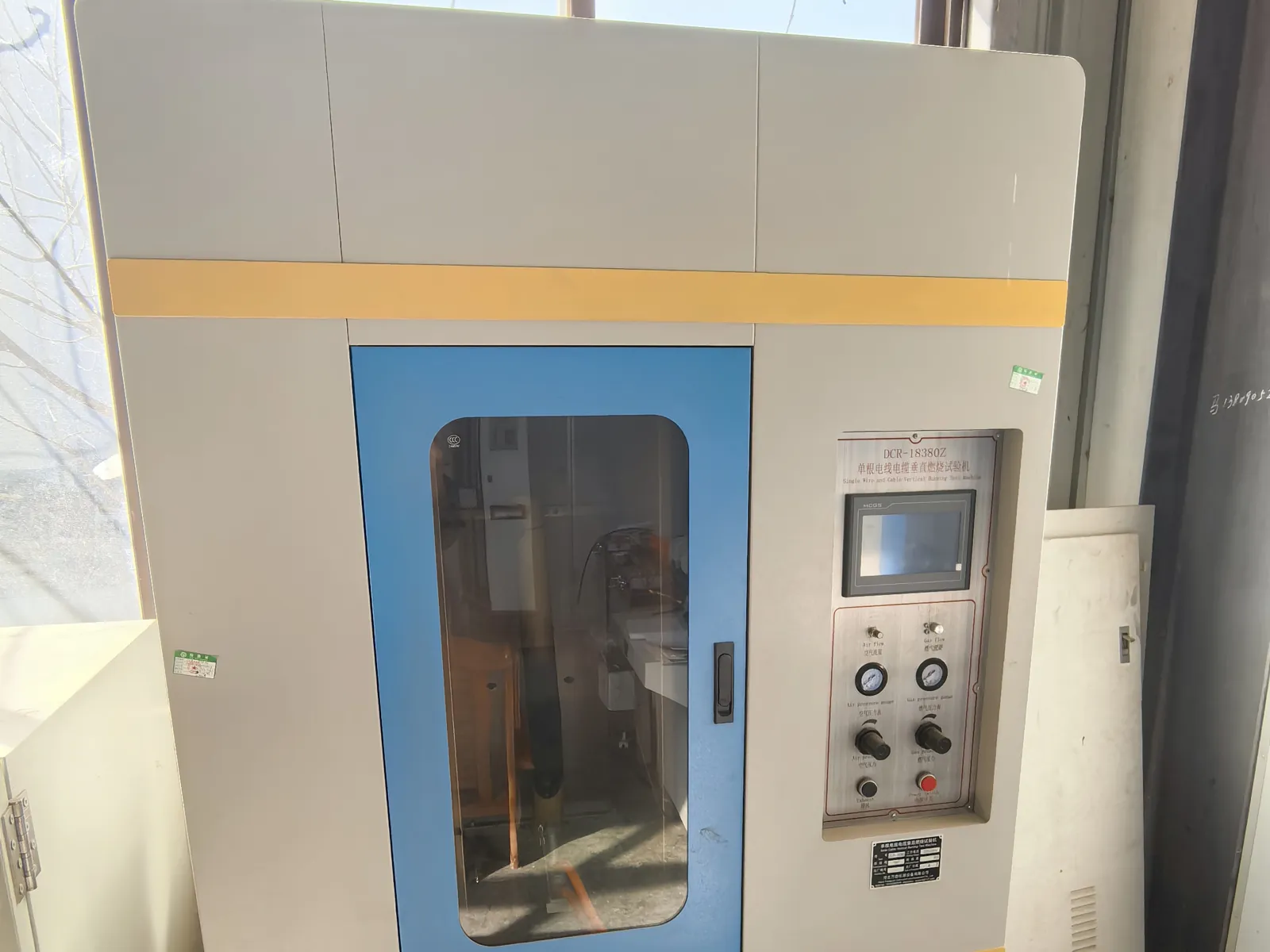
Flame Test and Final Inspection
Before packing, the cable is checked against the order and the flame-performance requirement of its standard.
- Single-cable vertical flame test to IEC 60332-1-2 where specified
- Metre marking, printing, drum length and appearance inspection
- Test report and packing list issued with every shipment
Related products
-
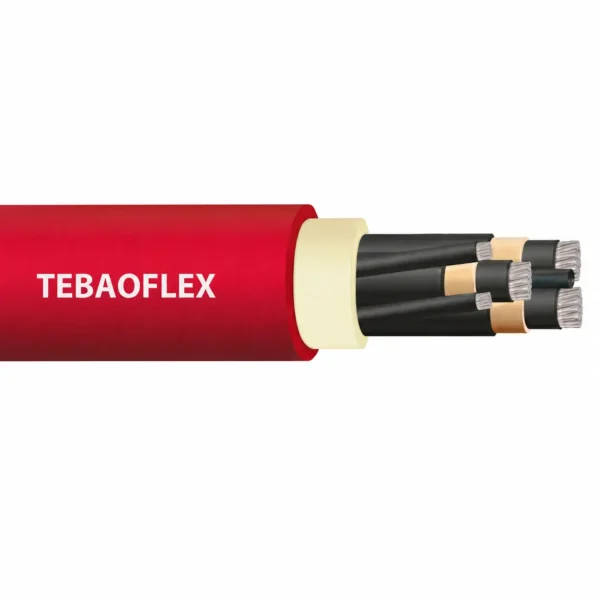
NTSCGECWOEU Coal Cutter Cable VDE 0250 Mining Cable
-
TRM-J & TRMC-J Highly Flexible Mining Rubber Cable
-
Olflex SMK NSHTOU J Rubber Crane Reeling Cable
-
Heavy-Duty NSSHCGEÖU(Z) Reinforced Version Mining Cable
-
6kV-35kV R-(N)TSCGEWOEU FO LWL Reeling Mines Cable
-

1kV NSHTOEU Scoops LHDs Underground Mining Reeling Cable
-
Open-Cast Mining NTSCGEWOEU W 3E Cable in Water & Trailing
-
3.6-30kV R-(N)TSCGEWÖU for open-cast mines cable
Need Pricing for This Cable?
Tell us the length, cores, cross-section and delivery country and we will reply with a quotation and datasheet.